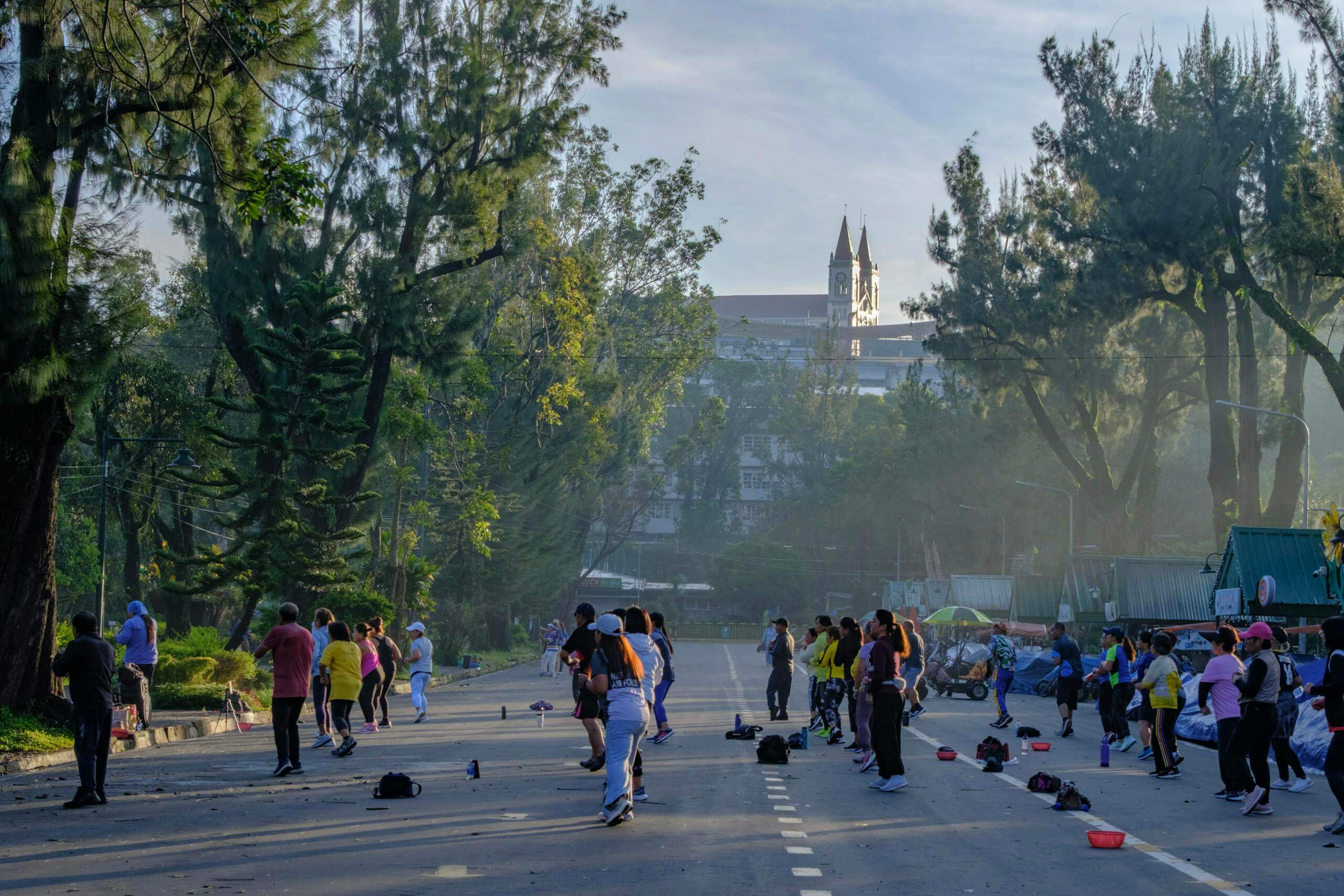
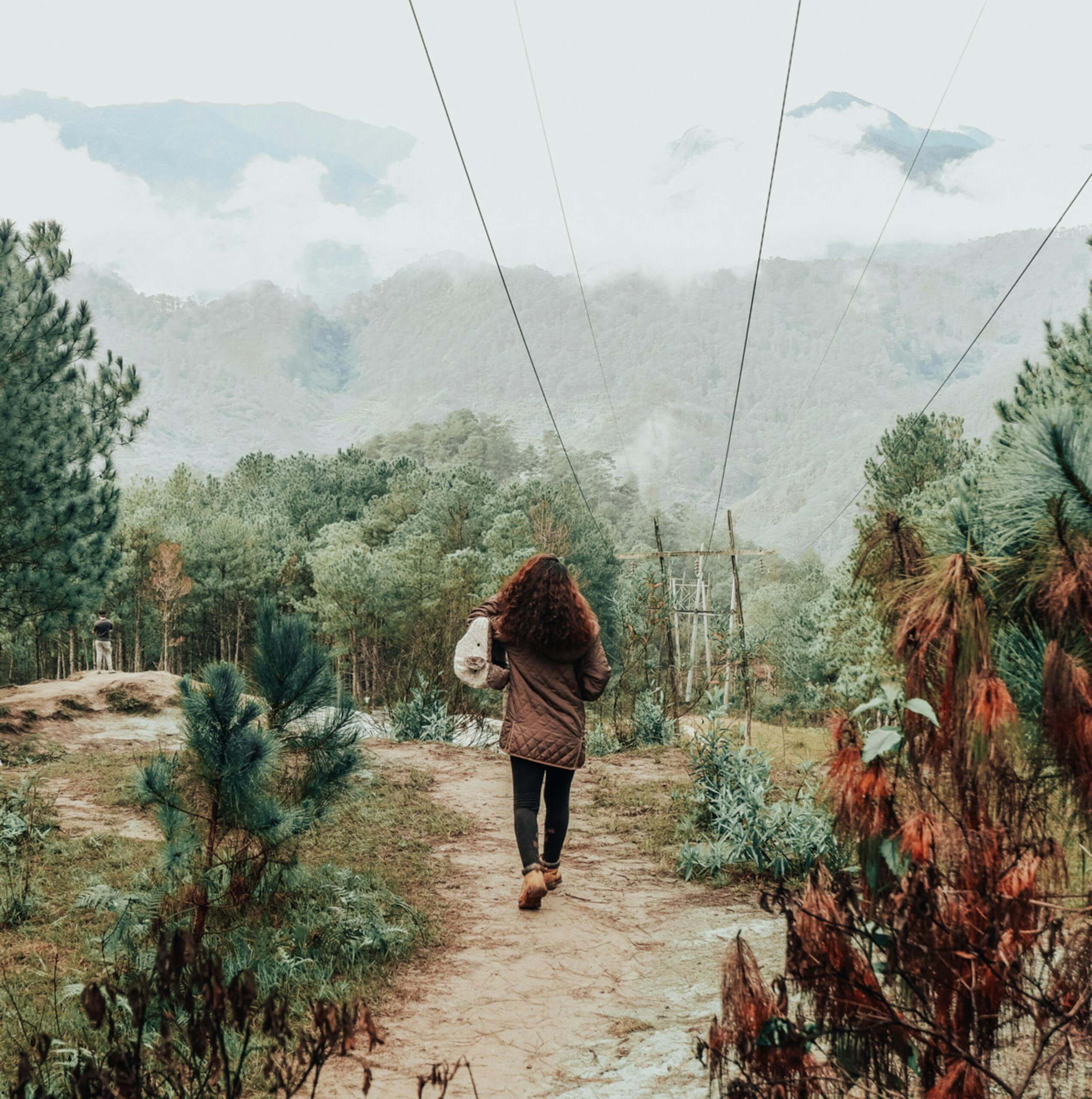
Dream Destination: Tongyeong, South Korea — When You Need Korea’s Coast Without the Crowds or the Performance
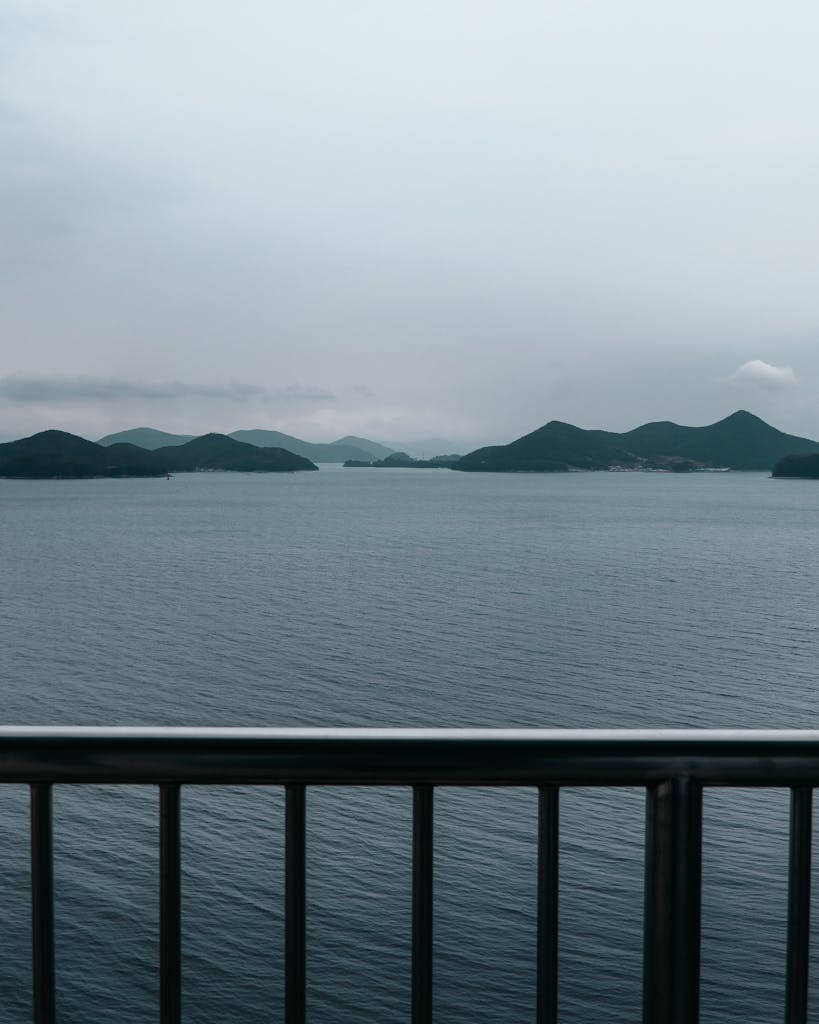
Photo by Jakob Jin @pexelsphoto
Tongyeong South Korea tour is what happens when you’ve done Busan and realized you need something quieter—but still coastal, still beautiful, still deeply, authentically Korean.
- This dream destination is a port city on Korea’s southern coast, scattered across islands and peninsulas where the Korea Strait meets hundreds of smaller islands forming the Hallyeohaesang National Marine Park. Population: 130,000. Vibe: fishing village that grew up but refused to forget where it came from.
- Tongyeong is nicknamed “Korea’s Naples”—and while that’s tourist board marketing, there’s truth in it: a working port city draped across hills and water, seafood so fresh it’s served still moving, narrow alleyways climbing steep slopes, cable cars rising to viewpoints where islands spread like stepping stones toward the horizon.
- But here’s what the Naples comparison misses: Tongyeong is quieter. Cleaner. Less discovered. Less performed.
- This is coastal Korea before the influencers arrived en masse—when fishing boats still outnumber yachts, when markets serve locals first and tourists second, when the sunrise over Dongpirang Village‘s painted murals feels like discovery instead of content creation.
- You arrive by bus from Seoul (4.5 hours), Busan (2 hours), or via the scenic coastal route from other southern cities. The road winds through mountains, tunnels blasted through granite, then suddenly: water. Islands. The scent of salt and grilled seafood.
Tongyeong doesn’t announce itself. It unfolds—slowly, beautifully, without rush.
This is where Koreans vacation when they’re tired of vacation crowds. Where Seoul office workers disappear for long weekends. Where honeymooners go when they want romance without the Jeju price tag.
You don’t come to Tongyeong, South Korea to check boxes. You come to walk harbor promenades at sunset, eat raw fish that was swimming this morning, ride cable cars over island-dotted seas, and remember what Korean coastal life looks like when it’s still lived—not just photographed.
⚠️ Essentials for Tourist: As of January 1, 2026, South Korea has replaced paper arrival forms with a mandatory e-Arrival Card. It must be completed at e-arrivalcard.go.kr within 72 hours of your flight.
For the ones who feel the pull – this Tongyeong South Korea tour is your SOLITUDE
If you need nightlife or luxury shopping, Tongyeong will bore you—there’s karaoke and soju, but this isn’t Seoul.
If you need harbor walks at golden hour, island views from mountain peaks, seafood so fresh it redefines the category, and a Korean coastal city that still feels Korean—Tongyeong is the answer you didn’t know to ask for.
This dream destination was built for:
- Travelers who want coastal Korea without Busan’s density or Jeju’s tourist infrastructure
- Seafood lovers ready for markets where ajummas still gut fish by hand and haggle in satoori
- Island-hoppers who want accessible island-hopping—no long ferries, just quick boats to nearby gems
- Photographers chasing harbor sunrises, painted villages, cable car views, and islands that look hand-placed
- Couples seeking romance that’s real—not resort-packaged
- Solo wanderers who need a city small enough to navigate easily but layered enough to stay interesting
- Anyone tired of “undiscovered” places that turned out to be very discovered
When the world finally exhales, what it feels like
The Harbor Heart: Where Tongyeong Lives
- Mornings start with fishing boats returning.
- You walk the Gangguan Harbor area—boats unloading catches, markets opening, the smell of sea and diesel and grilled mackerel mixing in cold morning air. Ajummas in rubber boots sort squid, octopus, sea bream, hairtail (갈치—Tongyeong’s signature fish).
- You eat breakfast at a harbor-side spot—물회 (mulhoe, cold raw fish soup), 해물국수 (haemul guksu, seafood noodle soup), or just coffee and hotteok (sweet pancakes) watching boats drift in and out.
Central Market (중앙시장)
- Covered market where locals shop. Fish stalls, dried seafood, seaweed, 굴 (oysters—Tongyeong is famous for them), vegetables, banchan vendors. You buy 꿀빵 (honey bread, local specialty—steamed buns filled with sweet red bean paste), eat them warm, immediately buy more.
- The city is walkable. No overwhelming subway system—just buses, taxis, and your feet. The harbor curves around hills. Neighborhoods climb slopes. Everything feels contained—not small, just human-scale.
Dongpirang Village: The Painted Neighborhood
- A hillside village overlooking the harbor, slated for demolition in 2007 until artists intervened—painting murals on walls, staircases, alleyways. Now: Instagram-famous but still functioning residential area.
- You climb steep staircases (seriously steep—bring good knees or determination). Murals cover every surface—whales, flowers, elderly residents painted life-size, messages of hope and community.
Warning: It’s touristy. But go early (before 10 AM) or late (after 4 PM) and you catch quiet moments—elderly residents sitting on stoops, cats sleeping on painted steps, harbor views framed by murals that actually mean something to the people who live here.
It’s gentrification with Korean characteristics—preserved, monetized, but still lived in.
Tongyeong Cable Car: The View That Justifies Everything
- Mireuksan Cable Car—1.4 km over water and mountains to Mireuksan Peak (461m).
- You ride over islands, forests, the city spreading below. The gondolas are Swiss-made, efficient, smooth. At the top: observation deck with 360° views.
- Islands. Hundreds of them. Green, rocky, scattered across turquoise water like someone spilled them from a bag. Fishing boats threading channels. The city compact and beautiful from elevation.
- Sunrise here is magic. Sunset is crowded but worth it. Midday is clearest for photos.
- You can hike down (1.5 hours, forest trail) or ride back. Most ride back. The view doesn’t get old.
The Island: Tongyeong’s Hidden Layers
- Tongyeong is a gateway to 140+ islands in the national marine park. Most visitors stick to the easy ones:
- Yokjido (욕지도)—40 minutes by ferry, quiet fishing island, hiking trails, beaches, minshuku homestays. You go for a day, stay for two because the pace rewires you.
- Jujado (주자도)—camellia flowers (동백꽃) bloom in winter, coastal trails, almost no tourists.
- Hansan-do (한산도)—historical significance (Admiral Yi Sun-sin’s naval base during Imjin War), Jeseungdang Shrine, coastal fortress ruins, museum.
- Somaemuldo (소매물도)—”Deungdaeseom” (lighthouse island), dramatic coastal rock formations, tidal land bridge appears at low tide connecting to neighboring island, overnight-worthy.
- Most ferries leave from Tongyeong Ferry Terminal or Sanyang Terminal. Schedules vary—check locally, plan loose, embrace that Korean island time runs on tides and weather, not apps.
Geobukseon: Turtle ship & Admiral Yi
- Tongyeong was Admiral Yi Sun-sin’s naval headquarters during the Imjin War (1592–1598). The Geobukseon (turtle ship—world’s first ironclad warships) were built here.
- Tongyeong Jungang Market area has a full-scale replica turtle ship you can board (₩2,000). It’s touristy. It’s also historically significant—this design revolutionized naval warfare.
- Seopirang Park—smaller painted village (less crowded than Dongpirang), murals, harbor views, Admiral Yi statue.
- Tongyeong wears its history quietly—no Gyeongbokgung Palace grandeur, just functional memorials to a military genius who saved Korea using ships built in this harbor.
What You Actually Do Here
EAB – Eat, Appreciate, Breathe
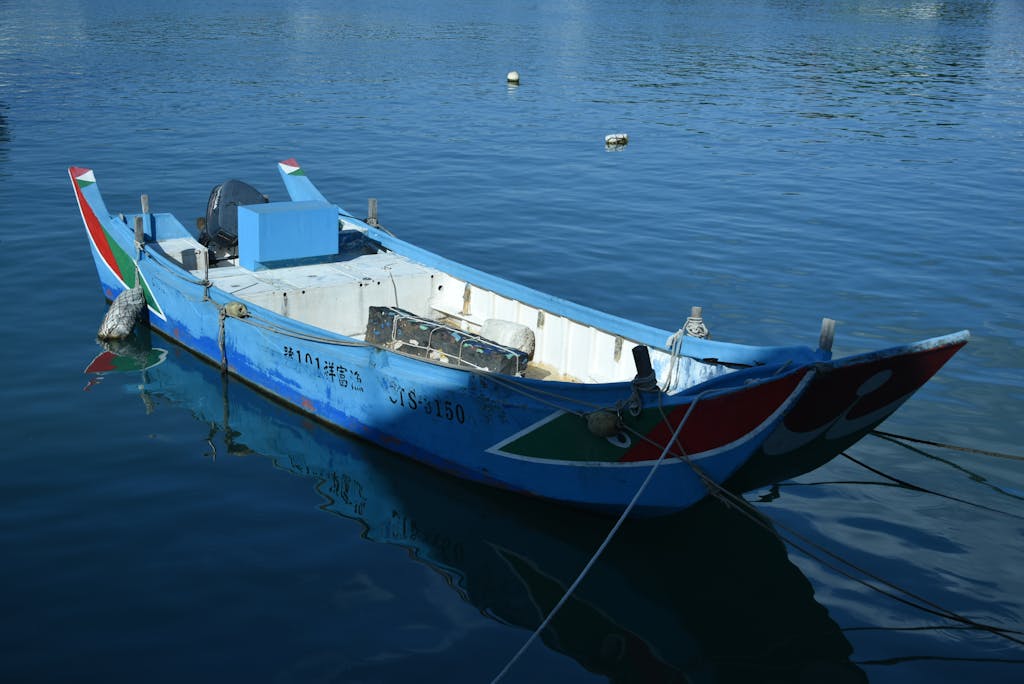
Photo by ShulinMark Lee @pexelsphoto
Seafood:
- 생선회 (saengseonhoe, raw fish) at harbor restaurants—so fresh it’s borderline cruel
- 굴 (oysters)—grilled, raw, in jjigae, Tongyeong is oyster country
- 갈치조림 (galchi jorim, braised hairtail fish)—Tongyeong specialty, sweet-spicy
- 충무김밥 (Chungmu gimbap)—Tongyeong’s signature: plain rice rolls + spicy squid + radish kimchi, sold everywhere
- 꿀빵 (honey bread)—sweet steamed buns, buy at central market
Views:
- Cable car at sunset (or sunrise if you’re committed)
- Dongpirang Village murals and harbor panoramas
- Skyline Luge Tongyeong—luge track down the mountain, touristy fun
Islands:
- Day trips to Yokjido, Somaemuldo, Hansan-do
- Ferry schedules are suggestions, not guarantees—check weather
Walking:
- Harbor promenade (강구안 일대)
- Seopirang painted village (less crowded alternative)
- Yi Sun-sin Park (이순신공원)—waterfront, memorials, views
Culture:
- Tongyeong Jungang Market—food, produce, local life
- Geobukseon (Turtle Ship) replica
- Sejukhwa Memorial Hall—if you’re into traditional Korean music (Tongyeong is historically known for it)
Relaxation:
- Harborside cafés with island views
- Slow mornings watching boats
- The radical act of doing nothing touristic
The quite reasons you’ll find your way back
This dream destination doesn’t perform for you. It just exists, beautifully, and if you show up with the right energy—slow mornings, seafood appreciation, willingness to take ferries on island time—it rewards you quietly, deeply.
People return to Tongyeong because once you’ve watched sunrise from the cable car, once you’ve eaten galchi grilled that morning at a harbor shack, once you’ve island-hopped without itinerary stress—you realize:
This is what Korean coastal cities were before tourism became performance. And that authenticity, that un-self-conscious beauty—it’s addictive.
Because Tongyeong, South Korea is:
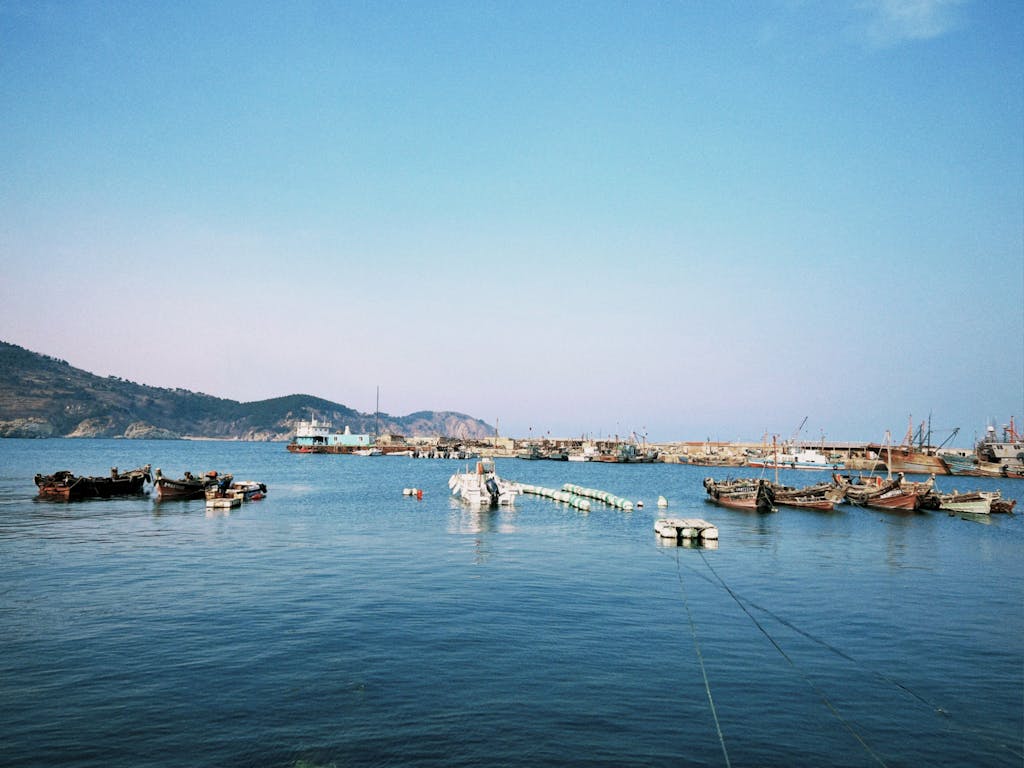
Photo by billow926 @pexelsphoto
- Coastal Korea without the crowds—Busan’s little sibling, less discovered
- Seafood paradise at working-market prices—not tourist markup, actual local rates
- Island-hopping accessible—no all-day ferries, just quick hops
- Small enough to relax, big enough to explore—you navigate easily without getting bored
- Authentically Korean coastal—fishing culture still central, not just aesthetic
What this place whispers to your heart – the emotional promise
You’ll ride the cable car at sunset watching islands turn gold. You’ll eat oysters so fresh they taste like the ocean made a point. You’ll climb Dongpirang‘s painted stairs and stand above the harbor as fishing boats return, and feel time slow without forcing it.
Tongyeong won’t transform you. But it’ll show you what Korean coastal life looks like when it’s still lived—not just photographed, not just sold, just lived. And that groundness, that lack of performance—it rubs off.
This is the kind of place you bring:
- Your Busan fatigue when you need coast without crowds
- Your appetite when you’re ready for seafood that resets your standards
- Your camera when you want harbor light and island views that don’t require filters
- Your partner when you need romance without resort packaging
- Yourself when you need a city small enough to breathe in but beautiful enough to matter
What follows you home – after you leave
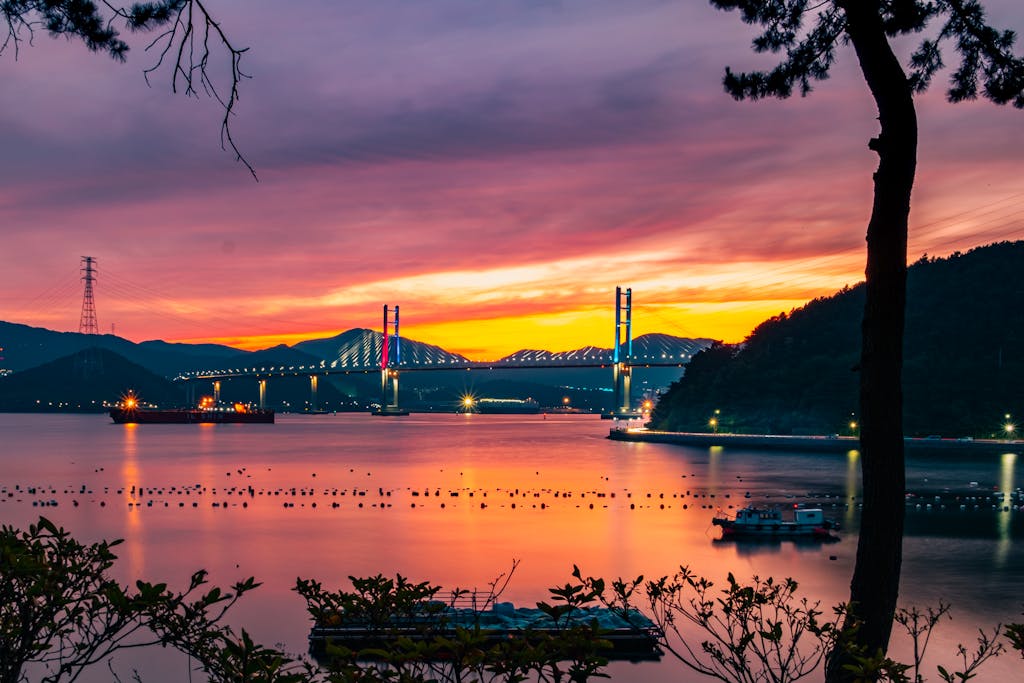
Photo by thuan Nguyen @pexelsphoto
- You’ll take the bus back to Busan or Seoul, and the cities will feel louder than you remember.
- You’ll miss: the harbor at dawn. The galchi you can’t find anywhere else. The cable car view you keep trying to describe and failing.
- Some people leave Tongyeong and immediately start researching other Korean coastal towns—Yeosu, Geoje, Namhae. Some people leave and realize they needed the quieter coast to appreciate Busan again. Some people leave and make Tongyeong their Korean coastal secret—the place they recommend quietly, to people they trust not to ruin it.
- All three are valid.
What matters is this: you found coastal Korea before everyone else did. And once you’ve tasted that—harbor mornings, island ferries, seafood markets where tourists are incidental—you can’t go back to thinking Korea is just Seoul and Busan.
Tongyeong showed you the edges. The quieter ones. The ones that still taste like salt.
How long you can linger, and what it really cost
⌛Time:
- Day trip from Busan—possible but rushed, misses the vibe
- 2D1N—minimum to feel the pace, see highlights, eat properly
- 3D2N ideal—harbor, islands, cable car, meals without rush, actual rest
- 4D3N+—island-hopping, deeper exploration, slow mornings
💸Budget Range:
- Budget trip: ₩150,000–₩280,000 per person ($115–$215, 2 nights)
- Bus from Busan (₩15,000), guesthouse (₩30,000–50,000/night), market food and budget restaurants (₩30,000/day), free harbor walks, cable car (₩15,000 round-trip), island ferry (₩20,000–40,000), calculated spending
- Comfortable trip: ₩350,000–₩550,000 per person ($270–$425)
- Bus or rental car, mid-range hotel with harbor view (₩80,000–130,000/night), seafood restaurants (₩50,000–80,000/day), cable car, island day trip with meals, cafés, zero stress
- “Coastal luxury” tier: ₩700,000–₩1,200,000+ per person ($540–$925+)
- Private car, boutique pension or resort (₩150,000–300,000/night), fine seafood dining, private boat charters, multiple island overnights, zero budget math
🧳Tongyeong is more affordable than Busan or Jeju—lodging cheaper, food incredible value, experiences don’t require premium pricing.
🏝️ If Tongyeong feels like the coastal Korea you’ve been missing, your next chapter might be⤵️
The Dream Map Travel Destinations grows one story at a time.
It’s a collection of lived moments—routes taken on a whim, places that surprised you, detours that turned into stories worth keeping.
Every Dream Map travel destinations exists because someone went first.
If you’ve been there—
reached a place you didn’t expect to love
discovered a route that felt smoother than advertised
stayed longer than planned because the place earned it.
share it below.
Your experience doesn’t have to be perfect. It just has to be real.
What you add helps future travelers imagine better, plan smarter, and arrive with context instead of fantasy.
Dream Map travel destinations grows one story at a time—quietly, collectively, and with intention
This page evolves with shared experiences. Verified patterns are folded back into the map over time.
MappedAtlas improves with commuter reports. If you find outdated routes, changed timetables, or new paths, send a quick update.
Last updated: March 2026