Philippines Self-Guided Itineraries for First-Time Travelers
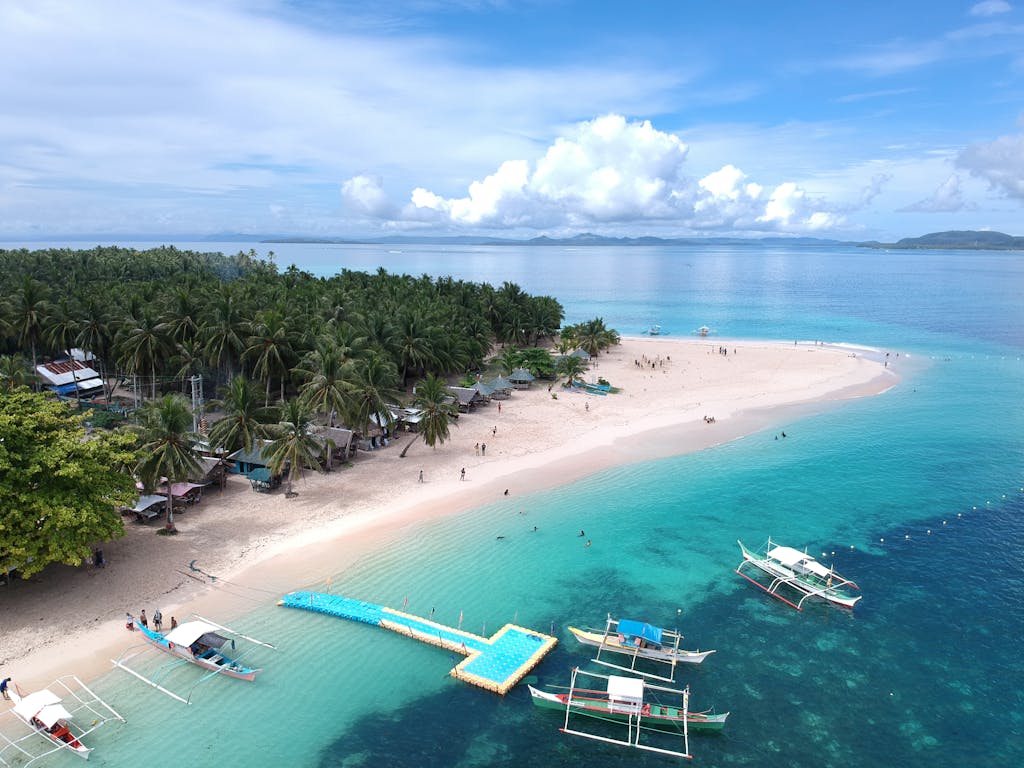
Photo by Janssen Panizales l https://www.pexels.com/photo
The Philippines spans over 7,000 islands, offering endless beaches, vibrant culture, and friendly locals perfect for self-guided exploration. A highlights of cultural insights, budget strategies, and key tools to navigate confidently without group tour
This Philippines trip guide gives you:
- flexible self-guided itineraries
- clear transport options and timing you can actually follow
- cultural insights, budget tips, and essential travel tools
- explore at your own pace
- DIY book-a-trip options at your own preference
Universal Document Prep Checklist:
- Passport scan (bio + 2 blank pages) – PDF/JPG
- Digital photo (35x45mm, white background) – JPG <2MB
- Flight confirmation (PDF)
- First hotel booking (PDF/email)
- Email address for QR delivery
- Phone number (local format)
⚠️Travel Essential for Tourist:
- The eTravel Pass is Mandatory (72 Hours): All travelers must register at etravel.gov.ph within 72 hours before arrival. It is 100% free.
- Visa-free | 30 days | Extendable; e-Travel registration required l | 1. Passport scan (bio page) l 2. Flight details l 3. Accommodation address l 4. Health declaration | Free. QR emailed instantly. [etravel.gov.ph]
- save the QR code—it replaces the old paper arrival cards and will be scanned at immigration.
Your Dream Destinations Start Here
Essential 2026 updates for the Philippines: Important Things to Know Before You Go
- Manila/NAIA Terminal 1 & 2 are largely for International and Philippine Airlines.
- Terminal 3 is the newest and most comfortable.
- Terminal 4 is the small domestic hub.
- DIY Tip: Never rely on the free airport shuttle if you have a tight connection; take a Grab or the “NAIA Loop” bus to move between terminals faster.
- Modern Hubs PITX (Parañaque Integrated Terminal Exchange): The “Gold Standard” for travel to Southern Luzon (Batangas/Tagaytay) and Bicol. It’s clean, has free Wi-Fi, and works like an airport for buses.
- One Ayala: The best hub for moving within Makati and catching the BGC Bus or the EDSA Carousel.
- Cubao Araneta Center: Seamless Transfer Point for Metro Manila & Beyond, its status as the “Grand Central” for provincial buses.
- Cash is Still King: While cards work in Manila and Cebu, once you hit the smaller islands (Siargao, Siquijor), ATMs often run out of cash.
- We strongly recommend to carry a “reserve” of ₱5,000 in small bills at all times.
Why Choose a Self-Guided Philippines Trip?
- Island-Hopping Autonomy: Major tour hubs like El Nido and Coron offer standard “Tour A, B, C, D” packages. A DIY traveler can hire a private bangka (outrigger boat) and ask the boatman to visit the lagoons in reverse order or find a deserted sandbar, effectively avoiding the 10:00 AM “rush hour” at popular spots.
- Granular Transit Savings: The Philippines has a unique “last-mile” transport system. By knowing how to use Jeepneys, Tricycles, and Habal-habal (motorbikes), you can move between towns for ₱15–₱50, whereas a private tourist van might charge ₱600+.
- Authentic Interactions: DIY travel in the Philippines often involves staying in family-run guesthouses. Since English is a national language, the “barrier to entry” for making local friends and getting “secret” travel tips is lower than anywhere else in Asia.
Best Time to Visit (2026 Forecast)
☀️ Dry Season (December – May): The peak window. Weather is sunny and seas are calm, which is critical for boat tours and ferries.
🔥 The “Summer” Heat (March – May): Expect temperatures up to 34°C. It’s the best time for visibility while diving, but you’ll need to stay hydrated.
⛈️ The Monsoon/Typhoon Season (June – November): While travel is still possible, ferries are frequently canceled due to rough seas.
🧳Pro-Tip: January and February are the “Sweet Spot”—the weather is cool and dry, and the post-Christmas crowds have thinned. Secret Window: September and October often have beautiful “pockets” of weather, lower prices, and far fewer tourists.
Ideal Length of Stay for First-Timers
- 10 Days – The “Two-Island” Sprint:
- Trip to Palawan (El Nido/Coron) and Cebu/Bohol. A “Must-Sees” itinerary without spending the whole time in transit.
- 14 Days – The “Gold Standard”:
- Your 3-island itinerary (e.g., Palawan, Central Visayas, and Siargao). This includes the unavoidable “Travel Days” spent on ferries or domestic flights.
- 21+ Days – The “Explorer”:
- Itinerary that includes visiting Northern Luzon (Banaue Rice Terraces/Sagada) before heading south to the islands.
MappedAtlas improves with commuter reports. If you find outdated routes, changed timetables, or new paths, send a quick update.
Last updated: March 2026
Disclaimer: The information here is for guidance only. Schedules and fares are subject to change based on traffic, weather and maintenance without notice from the operators. Always allow extra time for your trip. Safe travel “Ka-Atlas”.