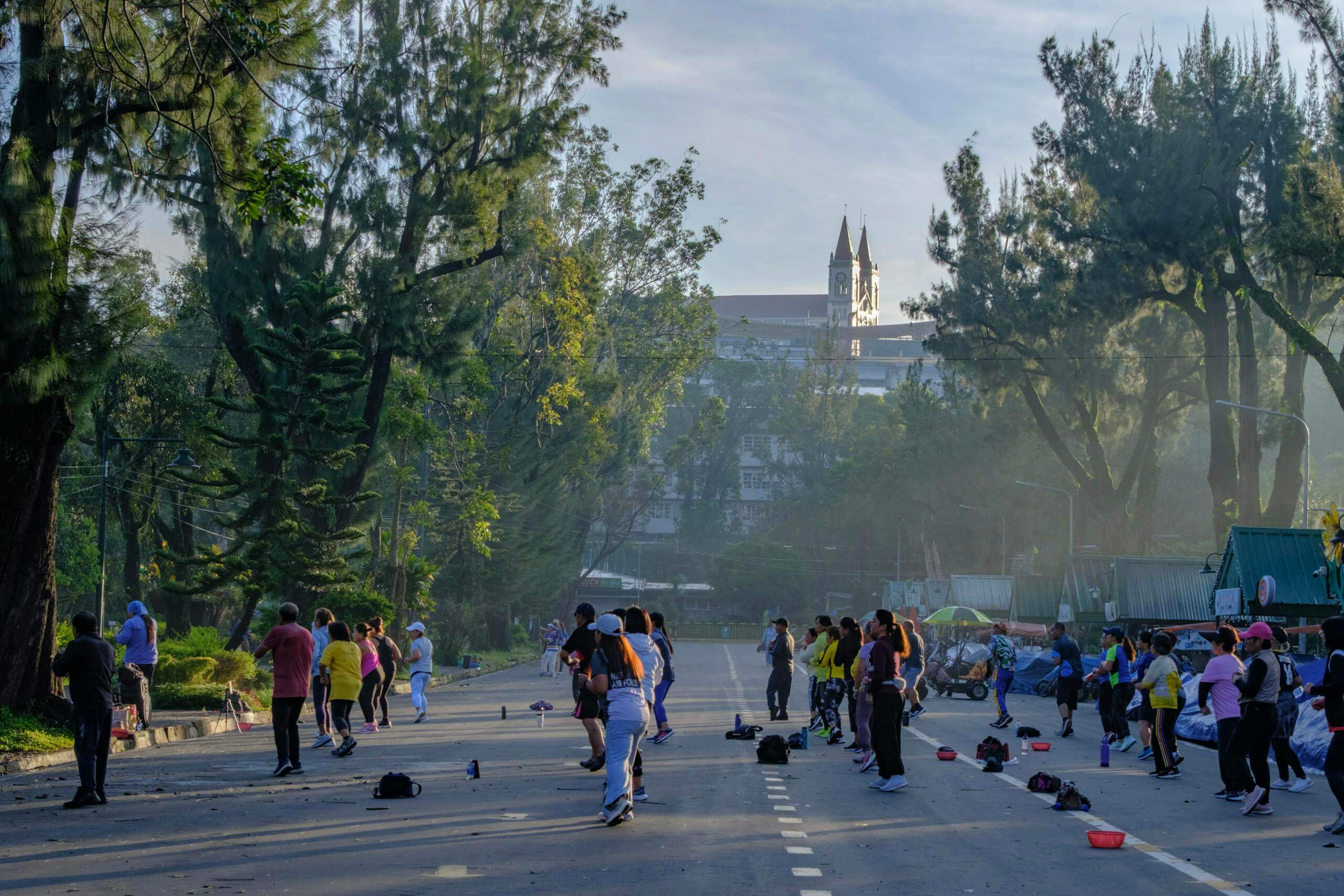
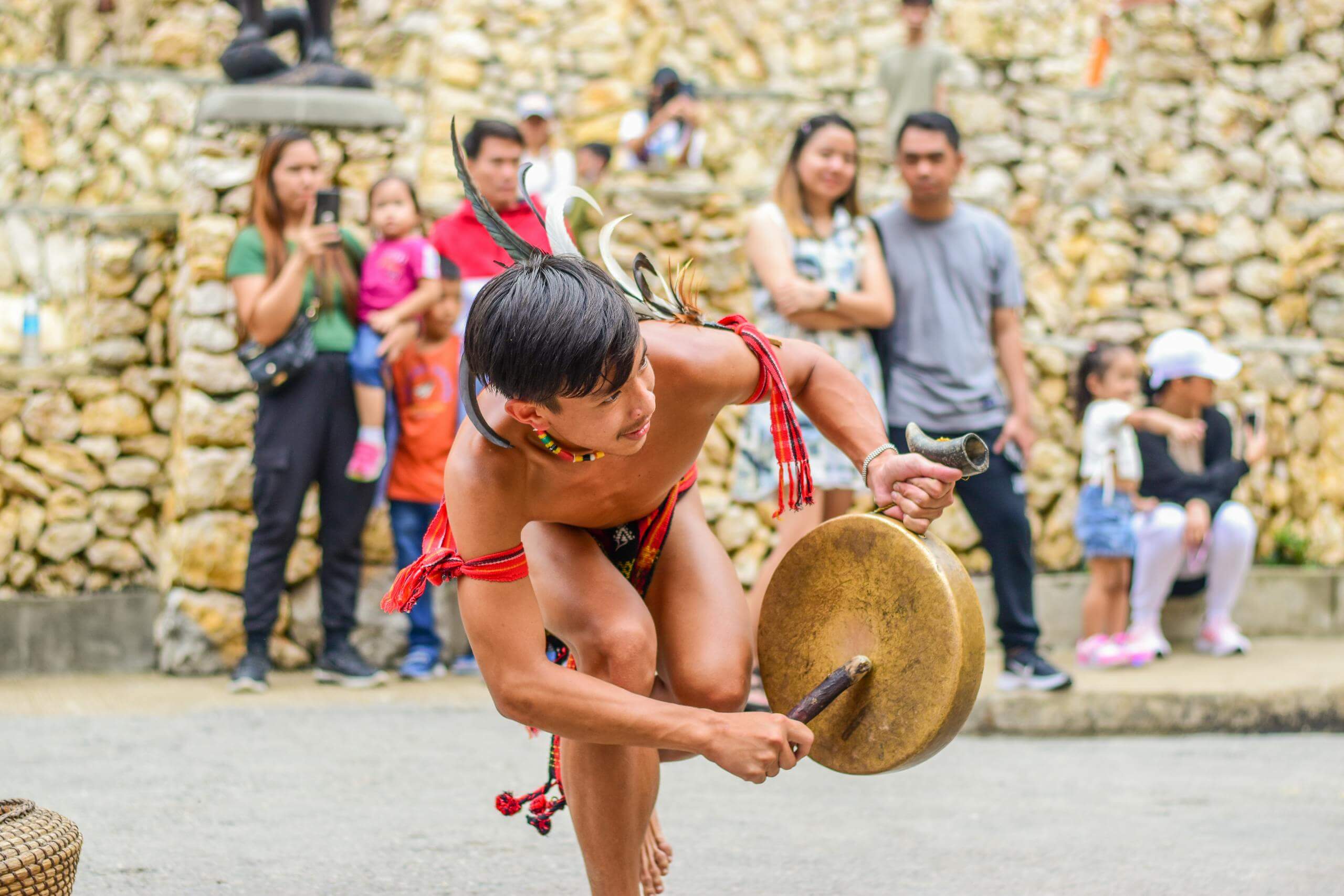
Sagada Mountain Province Budget Travel and Immersion guide
How to Reach and Immerse the sacred highlands of Sagada
https://www.pexels.com/@palumalerba
Sagada is the mist-covered sanctuary of the Cordilleras, offering a serene escape that feels worlds away from the lowland heat. Known for its unique Igorot burial traditions and limestone caves, it is a necessary stop for those seeking spiritual reset or high-altitude adventure. While the journey is long, navigating the mountain passes is the first step toward an uncomplicated mountain retreat.
Sagada Budget Travel and Immersion guide is your high-utility map that will execute a seamless 12-hour transit from Manila to the Mountain Province and engage with the Kankana-ey Igorot culture without violating sacred protocols or overpaying for standardized tours.
Sagada Budget Travel and Immersion guide provides:
- DIY self-guided itineraries including budget
- Transit modes, transfer points and Travel essentials guide
- Cultural Insights and Local Immersion spots
All tourists are required to register at the Tourist Information Office and pay a registration fee of Php 100 per person. You may register upon your arrival in Sagada or you may do it online if you want to skip the lines
Sagada Budget Travel and Immersion Snapshot
- Choose Sagada if: You are seeking a “slow” travel pace, value deep indigenous history over nightlife, and are physically prepared for steep mountain trekking and cold temperatures.
- Avoid Sagada if: You suffer from severe motion sickness (the Halsema Highway is a constant series of sharp curves) or if you prefer luxury amenities (accommodations are primarily humble homestays).
- The 2026 Alert: Weekend traffic is now at an all-time high. Always opt for “Point-to-Point” (P2P) or “First Class” buses to utilize the TPLEX bypass; regular “Inner Lane” buses can add 2+ hours to your trip
Stepping Into the Scene
Getting to Sagada requires commitment, as there are no commercial airports nearby. You have two primary entry points:
The Bus/Terminal: From Manila (Cubao), take Coda Lines. It is the only line providing direct service.
- Primary Operator: Coda Lines (HM Transport Terminal, Cubao).
- Fares (2026):
- Semi-Deluxe (No CR): ₱1,080.
- Super Deluxe (With CR): ₱1,250–₱1,350.
- Schedule: Daily at 8:00 PM and 9:00 PM.
- Fares (2026):
- The Route Hack: The bus goes via Banaue.
- If you want a glimpse of the Rice Terraces without staying there, choose a window seat on the right side of the bus to catch the sunrise views over the terraces around 5:30 AM before reaching Sagada.
- From Baguio, head to Dangwa Terminal for the GL Trans bus
- Fare: ₱350–₱450
- The Schedule Hack: If coming from Manila, take the 8:00 PM or 9:00 PM bus. You will arrive in Sagada around 6:00 AM, allowing you to register and check into your homestay just as the town wakes up.
- Pro-Tip: Book Coda Lines online at least a week in advance; seats fill up fast.
Little Moments of Local Life
Sagada is a walking town, but everything revolves around one central point.
Coffee & Hangout
- Spot: Bana’s Coffee or Sagada Brew.
- Why: These spots are the unofficial meeting grounds for local guides. It’s where you can hear the real history of the caves before you enter them.
- The Local Hub: The Sagada Municipal Tourist Center is your non-negotiable first stop.
- You must pay the Environmental Fee (₱100) here and register. It is the only place to secure accredited guides for any activity.
- Utility Pin: The area around Landbank ATM (near the market) is the town’s utility heartbeat.
- It is one of the very few places to get cash.
- Adjacent to it, the Sagada Public Market is the best spot for reliable, cheap mountain meals and local “Etub” (smoked pork) if you’re cooking at your homestay.
Tiny Culture Shocks & Soft Landings
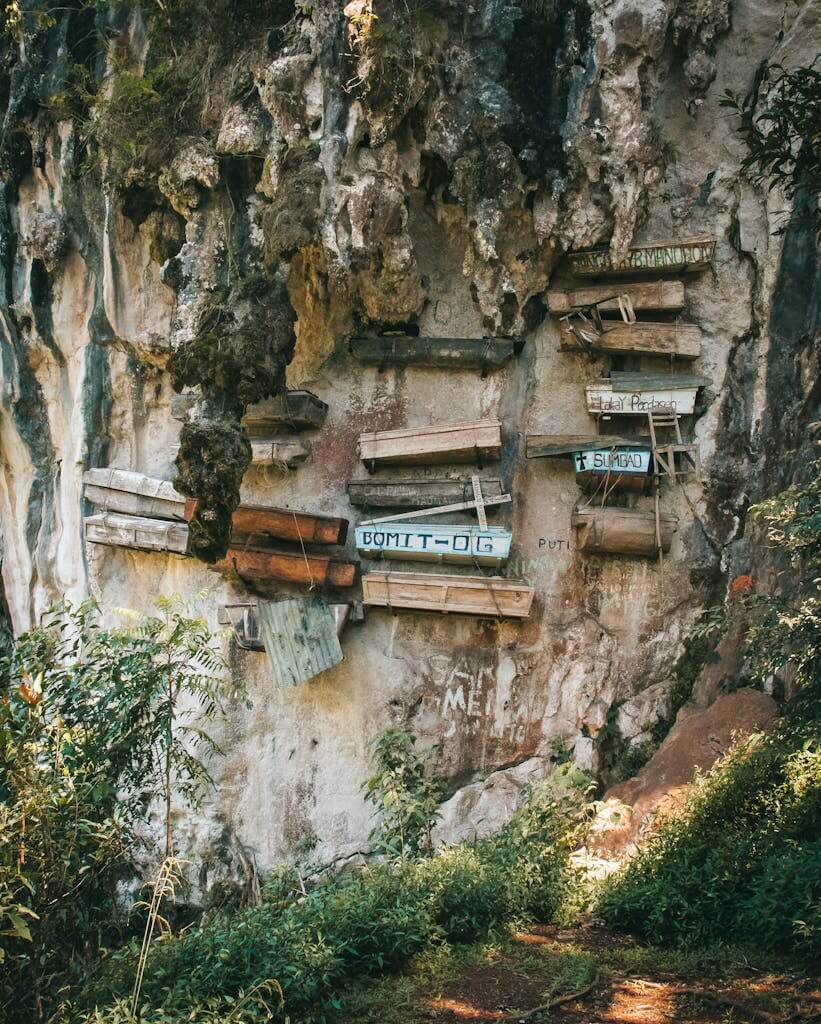
- The “Hanging Coffins” Context: These are not tourist attractions; they are active burial sites.
The Kankana-ey believe that placing the dead higher brings them closer to ancestral spirits. - Protocol: Never touch the coffins or enter caves (like Lumiang) without a local guide.
Walking among the dead requires silence. - The Etag Tradition: You will see “Etag” (salted, cured pork) hanging in many homes.
It is the culinary soul of Sagada. Respect the process; it is a symbol of community survival and unity celebrated every February.
Beyond the First Glance
Sagada’s best exports are heavy and artisanal. Plan your luggage accordingly:
- The Pottery Run: Visit Sagada Pottery. Buy the “Stoneware” mugs. They use local clay and traditional kilns.
- The Weave: Sagada Weaving (near the entrance of town) is the original source.
Look for the “backstrap” woven bags—they are more durable than machine-made versions found in Manila. - The Lemon Pie: Sagada Lemon Pie House. It’s the quintessential taste of the town.
Buy a whole box, but keep it flat during the bumpy bus ride back! - The “Fake Guide” Trap: You will be approached by people offering “cheaper” treks to the Falls or Coffins.
Advice: In Sagada, all guides must be registered with the SAGGAS or SEE-TOO associations. - Pay your ₱100 Environmental Fee at the Tourism Office first; they will assign you a licensed guide with fixed, regulated rates.
- The “Photo Op” Fee: Some children or locals in traditional attire may ask for money after a photo.
Advice: Always ask permission first. Usually, a small donation to the community fund is preferred over “tipping” individuals.
Nights, Mornings, and All The Views
- Immersion: Visit the Ganduyan Museum in the town center first. The curator provides a 30-minute oral history that is essential for understanding the items you will see in the village.
- The Activity Strategy: * Sumaguing Cave: ₱800 (Guide fee for 4 pax).
- Marlboro Hills + Blue Soil: ₱1,600 (Guide fee).
- Start at 4:30 AM to catch the “Sea of Clouds.”
Tourist Traps or Totally Worth It?
| Spot | Highlights |
|---|---|
| Sumaguing Cave | Famous for its “Big Curtain” stalactites and challenging spelunking. |
| Echo Valley & Hanging Coffins | The iconic cultural site where coffins are perched on limestone cliffs. |
| Marlboro Hills | The best spot for a 360-degree view of the “Sea of Clouds” at sunrise. |
| Bomod-ok Falls | A massive “Big Falls” that requires a scenic trek through rice terraces. |
How long you can linger, and what it really cost
- Time:
- 3D2N minimum — anything less won’t break through the noise in your head
- 4D3N is ideal — gives you time to arrive, break down, and rebuild
- 5D4N is full immersion — for when you need to completely reset your nervous system
- Budget range:
- Budget trip: ₱4,000–₱6,000 per person
Bus from Manila (12 hours), hostel bed, local eateries, hiking on your own, basic gear rental - Comfortable trip: ₱7,000–₱10,000 per person
Private room with hot shower, guided tours, Yoghurt House meals, warmer layers, occasional tricycle rides - “I need this to work” tier: ₱12,000+
- Budget trip: ₱4,000–₱6,000 per person
Better lodging, private guide, all meals covered, zero logistical stress so you can focus on healing
No shame in any tier. The mountains don’t charge extra for transformation.
Sagada Mountain Province: 3-Day Budget Self-Guided Itinerary
Before You Go: Reality Check
- Sagada is 12 hours by bus from Manila. The last few hours are winding mountain roads. You will arrive tired. Plan for this.
- The town operates on mountain time. Restaurants close early. Guides need advance notice. Shops run out of things. WiFi is inconsistent. ATMs are limited and sometimes empty.
- Bring: layers (nights drop to 10–15°C), cash (₱5,000+ minimum), headlamp, sturdy shoes, patience.
- Trip Character: Quiet, grounded, deliberate. Not a race through checkboxes.
- Total Estimated Budget: ₱3,500–₱5,500 per person (excluding Manila-Sagada transport)
- Best Months: November–February (cool and dry), March–May (warmer, still manageable)
Accommodation Options (Budget Tier)
- Residential Lodge (₱300–₱500/night, dorm or basic room) Simple, clean, hot shower usually works. Located near town center. Book ahead during peak season.
- Sagada Homestay (₱250–₱400/night) Local families rent spare rooms. Shared bathroom common. Breakfast sometimes included. Ask at the tourism office or look for “Room for Rent” signs.
- Misty Lodge & Cafe (₱400–₱600/night) Slightly above pure budget but reliable. Central location. Cafe downstairs for early coffee.
- George Guest House (₱350–₱500/night) Long-running, no-frills. Known for hot showers that actually work.
Verification needed: Current rates and contact numbers. Availability changes seasonally.
Day 1: Arrival and Acclimatization
Morning/Midday: Arrive and Settle
- If coming from Manila: Most travelers take evening buses (Victory Liner, Coda Lines) departing 10–11 PM, arriving Sagada 10 AM–12 PM the next day. Fare: ₱700–₱900.
- If coming from Baguio: Vans and buses depart from Slaughterhouse area (Governor Pack Road). 5–6 hours. Fare: ₱250–₱350. Morning departures recommended to arrive before dark.
- Upon arrival:
- Check in to lodging (most allow early check-in if room ready)
- Eat something warm
- Walk to Tourism Office to inquire about guide requirements and rates for upcoming days
- Budget: ₱0 (arrival day, travel costs separate)
Afternoon: Town Proper Walk (Self-Guided) 2:00 PM–5:00 PM
Sagada town center is walkable in 30 minutes. Use this time to orient yourself and locate essentials.
- What to locate:
- St. Mary’s Episcopal Church (stone church built 1904, town landmark)
- Tourism Office (for guide bookings, cave permits)
- ATM locations (BPI has one; bring backup cash)
- Small markets for snacks, water, trail food
- Restaurants that look open for dinner
- Echo Valley & Hanging Coffins (viewpoint only) 15-minute walk from town center. Free viewpoint. Actual hanging coffin area requires guide (₱500+ for group, arranged through tourism office).
The viewpoint gives you a glimpse without the tour. Walk the road toward the cemetery, follow signs. You’ll see coffins mounted on cliff faces across the valley. Stay on marked paths.
- Kiltepan Viewpoint (optional if energy permits) 30–40 minute walk uphill from town. Free. Sunset view across rice terraces and valleys.
- Not as dramatic as sunrise (the famous time to visit), but quieter and requires no 4 AM wake-up. Bring a jacket—wind picks up as sun drops.
- Budget: ₱0 (all walking, viewpoints free)
Evening: Dinner and Early Rest 6:00 PM–8:00 PM
Restaurants close early (8–9 PM). Eat by 7 PM to have options
- Dinner Options:
- Sagada Brew (₱150–₱250/meal): Pinikpikan (traditional chicken soup), vegetable dishes, local coffee. Reliably open.
- Salt & Pepper (₱120–₱200/meal): Filipino comfort food, rice meals, warm space.
- Log Cabin (₱150–₱250/meal): Pizza, pasta, local dishes. Popular with travelers, can get crowded.
- Yoghurt House (₱100–₱180): Breakfast is their strength, but open for dinner. Yogurt bowls, granola, simple meals.
After dinner: return to lodging. Sleep early. Tomorrow starts before dawn.
- Budget: ₱200
- Day 1 Total: ₱200 (food only; accommodation ₱300–₱500 separate)
Day 2: Caves, Waterfalls, and Effort
Pre-Dawn: Kiltepan Sunrise (Optional but Recommended) 3:30 AM wake-up, 4:00 AM departure
- Transport: Jeepney from town center (₱30–₱50/person one-way, shared). Drivers gather around 4 AM. Or walk 40 minutes uphill in darkness (headlamp required).
- What happens: You stand on a ridge and watch the sun break over a sea of clouds (when conditions align). Rice terraces emerge in layers. It is cold. Bring all your layers.
- Reality: Clouds are not guaranteed. Some mornings are clear, some are foggy, some are perfect. No refunds from weather. Hot coffee and peanut butter sold at the viewpoint (₱30–₱50).
- Return: Walk back down to town (easier downhill, 30 minutes) or wait for jeepney (₱30–₱50).
- Back in town by 7:30 AM.
- Budget: ₱100 (transport + coffee)
Morning: Breakfast and Cave Prep 8:00 AM–9:00 AM
- Breakfast spots:
- Yoghurt House (₱80–₱150): Best yogurt in town, granola, fruit, strong coffee
- Sagada Brew (₱100–₱180): Tapsilog, longsilog, mountain rice, local coffee
- Misty Lodge Cafe (₱90–₱160): Pancakes, eggs, budget breakfast sets
- Eat well. The cave requires energy.
- Budget: ₱150
Mid-Morning to Afternoon: Sumaging Cave (Cave Connection) 9:30 AM–2:00 PM (approximate—depends on group pace)
Guide required. Non-negotiable. Book through Tourism Office (₱500–₱800 for group of 1–4 people, split cost if traveling with others).
- What you need:
- Old clothes that can get destroyed
- Shoes with grip (not flip-flops, not smooth-soled)
- Headlamp or flashlight (guides have lights but bring your own)
- Dry bag for phone/valuables
- Willingness to get wet, muddy, and uncomfortable
- What happens: You descend into Sumaging Cave through narrow openings, climb over rocks, wade through underground streams, squeeze through tight passages. It is not a paved tourist cave. You will use ropes. You will crawl. The rock formations—stalactites, stalagmites, flowstones—are extraordinary, but you earn them.
- The “Cave Connection” links Sumaging to Lumiang Cave (burial cave with old coffins stacked inside). This is the full experience. Total time underground: 2–3 hours.
- Physical demand: Moderate to challenging. If you have knee problems, limited mobility, or fear of enclosed spaces, consider skipping or doing Sumaging only (shorter, less demanding).
- Exit: Lumiang Cave exit near town, or return through Sumaging. Guide will advise based on group ability.
- Budget: ₱150–₱200 (guide fee split with others, if solo ₱500–₱800)
Afternoon: Clean Up and Late Lunch 2:30 PM–4:00 PM
Return to lodging. Shower off cave mud (you will be filthy). Change into dry clothes.
Late lunch:
- Gaia Cafe (₱120–₱200): Healthy bowls, salads, vegetarian-friendly
- Masferré Restaurant (₱150–₱250): Named after the photographer, serves local dishes, bulalo, rice meals
- Shamrock Tavern (₱100–₱180): Cheap, fast, fills you up
- Budget: ₱180
Late Afternoon: Bokong Falls or Rest Option A: Bokong Falls (30-minute walk from town)
Small waterfall, swimming possible if you can handle cold mountain water. Free. Trail is clear but steep in sections. Locals swim here—no tourist infrastructure, no entrance fee.
Bring towel if you plan to swim. Water is frigid year-round.
- Option B: Rest
- Your body has been underground for 3 hours. Resting is legitimate. Read, write, drink coffee, watch the town move at its own pace.
- Budget: ₱0
Evening: Dinner and Local Coffee 6:00 PM–8:00 PM
- Dinner: Choose a different spot from last night. Budget ₱180–₱250.
- After dinner:
- Sagada Brew or Sagada Lemon Pie House for dessert and local coffee (₱50–₱100)
- Lemon pie is the town’s dessert identity—not reinvented, just done well
- Or return to lodging and sleep. Tomorrow involves more walking.
- Budget: ₱280
- Day 2 Total: ₱810–₱1,010 (depending on solo vs. shared guide cost)
Day 3: Rice Terraces, Waterfalls, Departure Prep
Morning: Marlboro Hills and Sagada Weaving 7:00 AM–11:00 AM
- Breakfast first (₱100–₱150 at any usual spot)
- Marlboro Hills (Marlboro Country) 20–25 minute walk from town center. Rolling grasslands, pine trees, views across valleys. Named for resemblance to cigarette commercials (the American West aesthetic). Free.
- Best light: early morning. Fewer people before 9 AM.
- Walk continues to Sagada Weaving House if you want to see traditional backstrap loom weaving (small donation appreciated, ₱20–₱50). Local weavers produce textiles using ancestral techniques. Products for sale but no pressure to buy.
- Budget: ₱150 (breakfast + optional weaving donation)
Late Morning: Bomod-ok Falls 11:00 AM–3:00 PM
- Guide optional but recommended (trail can be confusing at junctions). Guide fee: ₱300–₱500 for group. Or ask locals along the way—community members often guide informally for smaller fee.
- The walk:
- 45–60 minutes downhill through rice terraces and forest
- Trail is clear when dry, slippery when wet
- The falls are tall (200+ feet), powerful, and surrounded by moss-covered cliffs
- Swimming area at base (cold water, strong current—assess conditions yourself)
- Reality check: What goes down must come back up. The return is 60–90 minutes of steep uphill. Pace yourself. Bring water.
- Packed lunch option: Buy bread, peanut butter, fruit from town market before you go (₱80–₱120). Eat at the falls. Or plan for late lunch when you return.
- Budget: ₱180 (guide fee split + snacks, or ₱400–₱500 if solo)
Afternoon: Return, Clean Up, Final Town Time 3:30 PM–6:00 PM
Back in town by 3:30–4:00 PM. Shower, pack, prepare for departure.
- If your bus leaves tonight: Eat early dinner (₱150–₱200), buy snacks for the trip, charge devices.
- If staying another night: This is your buffer time. Visit any spots you missed, buy woven goods or coffee, sit quietly somewhere.
- Final meal recommendation:
- Sagada Brew for pinikpikan one last time
- Salt & Pepper for reliable comfort food
- Yoghurt House if you want something lighter
- Budget: ₱250
Evening: Departure or Extra Night
- Most buses to Manila depart 8–10 PM. Arrive at bus stop 30 minutes early. Confirm your booking.
- Most vans to Baguio depart morning (6–8 AM). If taking van, you’ll need to stay an extra night.
- Budget: ₱0 (transport cost separate)
- Day 3 Total: ₱580–₱900
3-Day Budget Summary
| Item | Cost (PHP) |
|---|---|
| Accommodation (3 nights) | ₱900–₱1,500 |
| Food (3 days) | ₱1,790–₱2,090 |
| Guides (cave + falls, split cost) | ₱400–₱800 |
| Transport within Sagada | ₱100–₱200 |
| Misc (donations, coffee, snacks) | ₱200–₱400 |
| TOTAL (excluding Manila/Baguio transport) | ₱3,390–₱4,990 |
Add: ₱700–₱900 for Manila round-trip bus, or ₱500–₱700 for Baguio round-trip van. Realistic all-in budget: ₱4,500–₱6,500 per person for 3 days
What This Itinerary Is Not
This is not a “see everything” plan. Sagada has more caves (Lumiang burial cave as standalone, Crystal Cave), more waterfalls (Pongas Falls), more viewpoints (Mt. Ampacao if you want a real hike).
This itinerary prioritizes:
- Sleep (you’ll need it at altitude)
- Pacing (mountain travel is slower than you think)
- Budget control (split costs where possible, walk instead of hiring transport)
- Authenticity (guides are required for safety and respect, not optional tourism theater)
Movement Modes Experience
- Primary: Walking. Sagada town is small. Most destinations within 1-hour walk.
- Secondary: Shared jeepney for Kiltepan (₱30–₱50). Tricycle for longer distances or if tired (₱50–₱150 depending on distance).
- Not recommended: Renting private vehicle unless planning multi-day exploration beyond Sagada proper.
Your Vibe Calibration
Sagada is quiet. It is not a party town. It is not optimized for convenience. Expect:
- Restaurants that run out of menu items
- Cold showers occasionally (even when hot water promised)
- Dogs everywhere (friendly, mostly)
- Early bedtimes (yours and the town’s)
- Genuine interactions with locals who are not performing hospitality
- Weather that changes your plans
- Slowness that feels uncomfortable at first, then correct
Best Times to visit Sagada
- November–February: Cool (10–20°C), dry, best visibility for sunrise, excellent hiking conditions. Peak season—book accommodation ahead. Crowds manageable compared to beach destinations.
- March–May: Warmer (15–25°C), still mostly dry. Rice terraces green and active. Fewer tourists than peak cool season.
- June–October: Wet season. Landslides possible. Trails muddy. Caves can flood. Waterfalls dramatic but access difficult. Only visit if you accept serious plan disruption.
- Avoid if possible: Holy Week (crowded, expensive), Christmas/New Year (booked months ahead, prices inflated).
Expectations: The Honest Version
- You will get dirty. You will be cold at night and warm during midday hikes. Your phone will die or lose signal at inconvenient times. The bus ride will hurt your back. The cave will scare you a little. The falls will require more effort than you expected.
- You will also sleep better than you have in months. You will taste coffee that actually tastes like something. You will stand on a ridge at dawn and understand why people keep coming back to mountains. You will talk to a guide who knows the caves the way you know your own neighborhood. You will walk through rice terraces built by people who understood their land.
- Sagada does not give you a curated experience. It gives you a place that exists with or without you, and if you pay attention, that becomes enough.
Travel smarter, use Commute Guides links as your tool to understand how modes connect before moving.
Choose your intent. Navigate with confidence. Move without guessing. Use Homepage as your control panel.
Places worth imagining—before you ever arrive, explore Dream Destinations for your weekend getaways and travel itineraries.
MappedAtlas improves with commuter reports. If you find outdated routes, changed timetables, or new paths, send a quick update.
Last updated: March 2026
Disclaimer: The information here is for guidance only. Schedules and fares are subject to change based on traffic, weather and maintenance without notice from the operators. Always allow extra time for your trip. Safe travel “Ka-Atlas”.