Japan Self-Guided Itineraries for First-Time Travelers
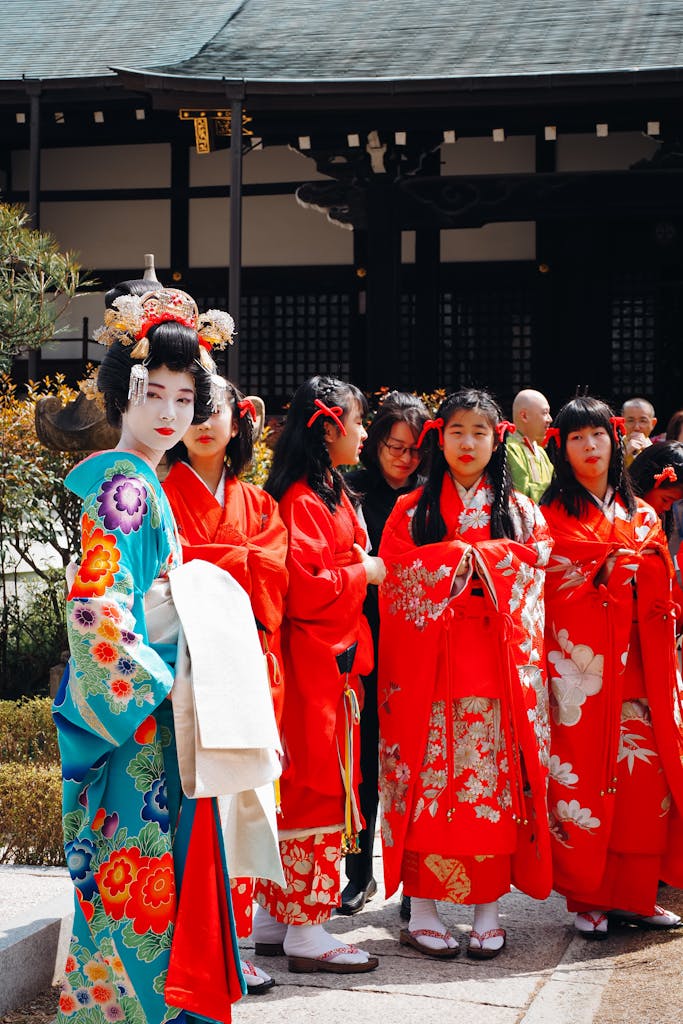
Photo by Elifinatlasi l https://www.pexels.com/photo
Japan trip blends futuristic cities with serene temples, connected by punctual trains for seamless DIY travel. This guide outlines the classic Golden Route from Tokyo to Kyoto and beyond, with practical steps, JR Pass advice, and beginner-friendly pacing. You’ll master etiquette, save with konbini meals, and use apps for effortless navigation.
This Japan trip guide gives you:
- flexible self-guided itineraries
- clear transport options and timing you can actually follow
- cultural insights, budget tips, and essential travel tools
- explore at your own pace
- DIY book-a-trip options at your own preference
Universal Document Prep Checklist:
- Passport scan (bio + 2 blank pages) – PDF/JPG
- Digital photo (35x45mm, white background) – JPG <2MB
- Flight confirmation (PDF)
- First hotel booking (PDF/email)
- Email address for QR delivery
- Phone number (local format)
⚠️Travel Essential for Tourist:
- Essentials: Visa-free | 90 days | Strict; no extensions | Biometrics on arrival l IC card at station
- For the most official and up-to-date document forms, you should download them from the Embassy of Japan in the Philippines or the Ministry of Foreign Affairs of Japan websites.
Your Dream Destinations Start Here
Important Things to Know Before You Go
- In 2026, the JR Pass is rarely worth it for first-timers after the massive price hike. It is almost always cheaper to buy individual Shinkansen tickets or use a regional pass.
- No more paper tickets = No more stress at the turnstiles: add the IC Card (Suica/Pasmo/ICOCA) to your Apple or Google Wallet before you land.
- In Japan, picking the wrong exit can leave you 15 minutes away from your destination on the wrong side of a massive complex.
Why Choose Self-Guided Japan Trip?
- The “Ekiben” & Niche Stop Freedom: Japan’s transit isn’t just a way to move; it’s an experience. Only a DIY traveler can decide to hop off a train in a random town because they heard about a specific local bento box or a hidden 1,000-year-old shrine.
- Precision over Groups: Tour buses are at the mercy of traffic. By using the rail network independently, you bypass every traffic jam in Tokyo and Kyoto, giving you roughly 3 extra hours of sightseeing per day.
- Luggage Freedom: DIY travelers use Takkyubin (luggage forwarding). You can drop your bags at a convenience store and have them appear at your hotel in another city the next morning, allowing you to explore “hands-free.”
Your Best Time to Visit (2026 Forecast)
🌸 Spring (Late March – Early April): The “Sakura” window. It is the most beautiful but also the most expensive and crowded.
🍁 Autumn (November): Arguably better than Spring for DIYers. The “Momiji” (red leaves) last longer than cherry blossoms, giving you more flexibility with your dates.
❄️ Winter (January – February): The “Budget King” season. Flight and hotel prices are at their lowest. It’s the best time for Onsen (hot springs) and seeing the snow monkeys.
🧳DIY Tip: To save money and avoid crowds, go in early May (after Golden Week) when the weather is still perfect but the prices drop.
The Ideal Length of Stay if you are a First-Timer
- 7 Days – The “Quick Hit”:
- A stay within the Tokyo – Kyoto – Osaka triangle with the Shinkansen (Bullet Train) to move between them in under 2.5 hours.
- 10–14 Days – The “Golden Route”:
- An itinerary that includes a 4 days Tokyo, 2 days Hakone (Mt. Fuji views), 4 days Kyoto, 2 days Osaka (Food capital), and 1 day Nara.
- 21+ Days – The “Explorer”:
- An itinerary only recommended if you plan to visit the northern island of Hokkaido or the southern island of Kyushu.
MappedAtlas improves with commuter reports. If you find outdated routes, changed timetables, or new paths, send a quick update.
Last updated: March 2026
Disclaimer: The information here is for guidance only. Schedules and fares are subject to change based on traffic, weather and maintenance without notice from the operators. Always allow extra time for your trip. Safe travel “Ka-Atlas”.