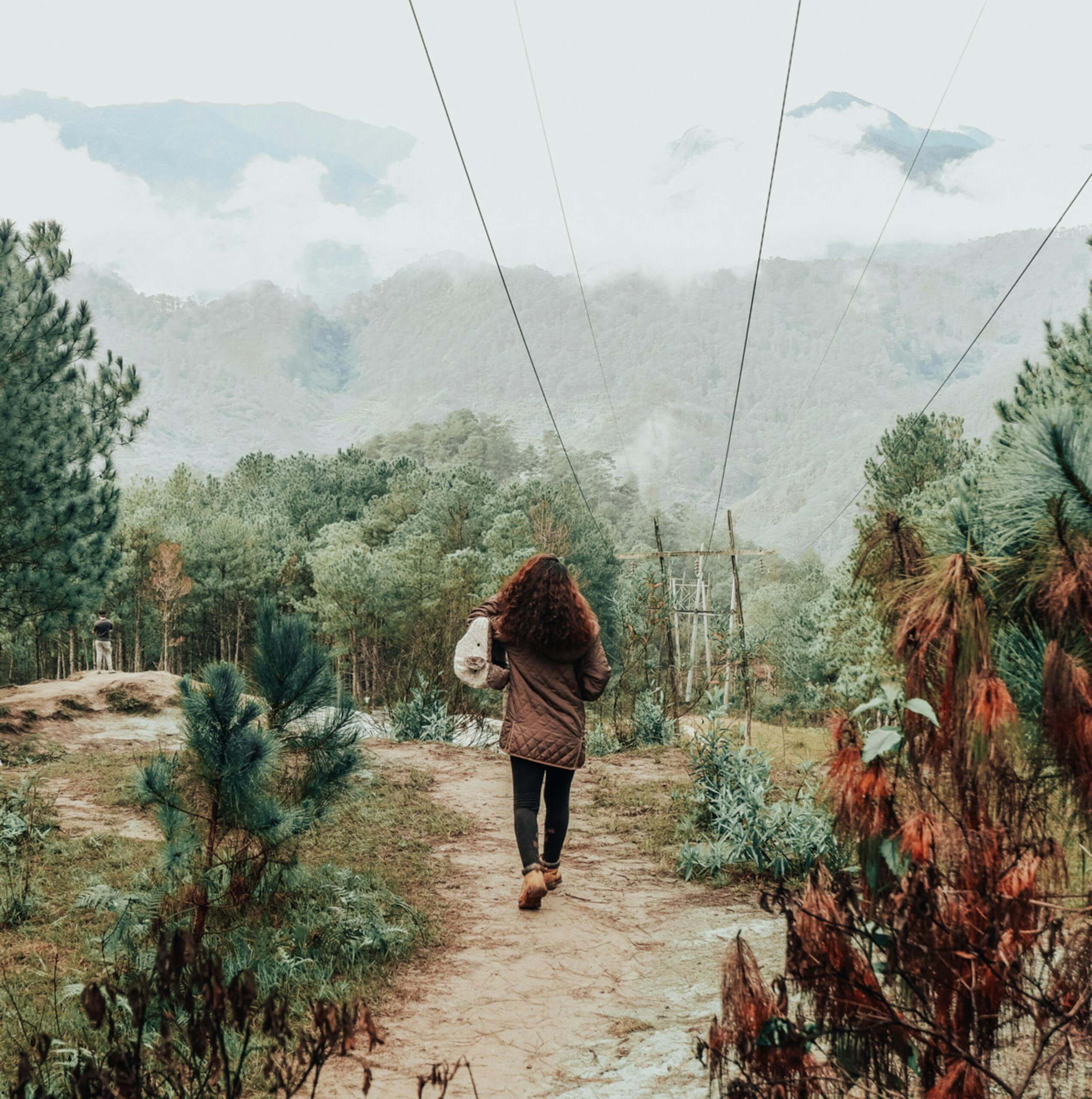
Baguio City Budget Travel and Immersion guide
How to Reach and Immerse in Baguio City’s Mountain Culture
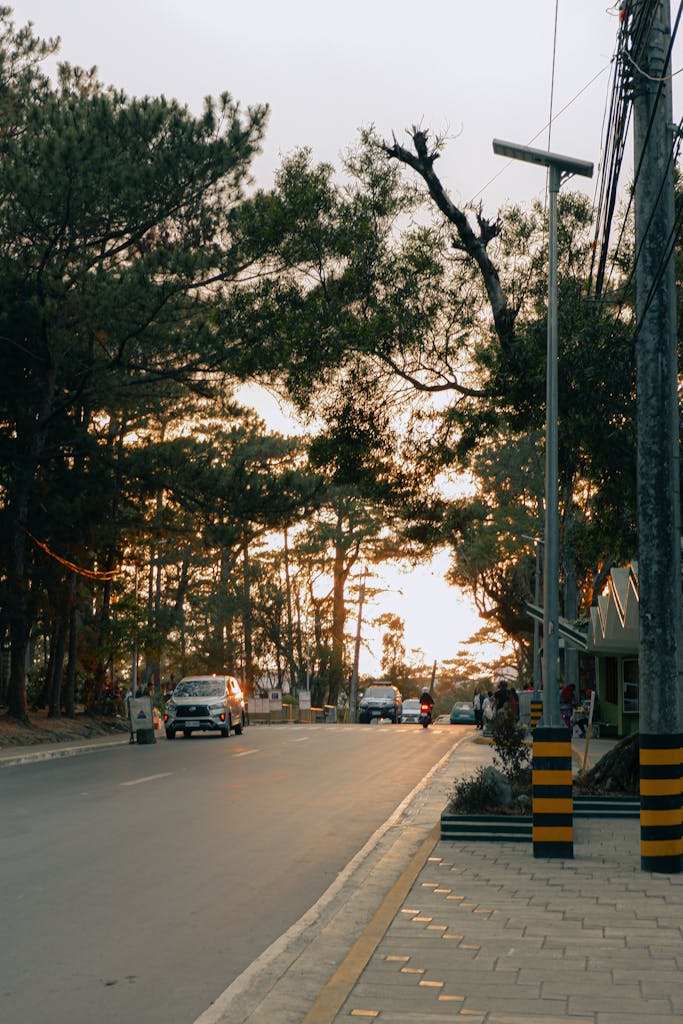
https://www.pexels.com/@nikki-villanueva-318039245
Baguio City is more than a tourist destination; it is the essential gateway for anyone heading deeper into the mountains of Sagada, Banaue, or Kalinga.
Known for its year-round cool climate and vibrant creative scene, it serves as the ultimate logistics pitstop. Whether you are stocking up on supplies or transferring buses, Baguio is a necessary stop for Northern Luzon exploration.
This guide serves as your high-utility map for the City of Pines that provides:
- DIY self-guided itineraries including budget
- Transit modes, transfer points and Travel essentials guide
- Cultural Insights and Local Immersion spots
Baguio City visit requires creating an account on the Baguio VIS.I.T.A. portal, scheduling your trip, and securing a QR-coded Tourist Pass (QTP).
Baguio City Budget Travel and Immersion Snapshot
- Choose Baguio if: You want a 48-hour climate reset, enjoy walking on inclines, and appreciate a vibrant, indigenous-led arts scene.
- Avoid Baguio if: You are sensitive to diesel fumes in city centers or if you are looking for a completely “isolated” nature experience (Baguio is a highly urbanized mountain city).
- The 2026 Alert: Direct buses are limited to 2-3 trips per night. If you miss the Coda Lines window in Cubao, your travel time will increase by 4 hours via Baguio transfers.
Stepping Into the Scene
- Vibe: Pine-scented urban hustle mixed with Cordilleran pride. It’s the “Creative City” of the North.
- Best Season: November to February (Coldest weather); February (Panagbenga Festival).
- Weather: 15°C to 23°C. Pack layers; the sun is sharp but the shade is chilly
Little Moments of Local Life
Baguio is dense, but its utility is concentrated in one specific area.
Coffee & Hangout
- Spot: Hot Cat Coffee (located in the courtyard of Mt. Cloud Bookshop, Upper Gen. Luna).
- Why: It’s a quiet sanctuary away from the Session Road noise. The beans are locally sourced from Benguet and Sagada farmers.
- Baguio Public Market (Hangar Market section) is the city’s true nerve center. While tourists go for the souvenirs, locals use it for high-altitude supplies and the freshest Cordillera coffee beans.
- Utility Pin: Head to the Old Jose Abad Santos Drive (Post Office Loop).
- It’s the most reliable spot for central pick-ups, and the nearby Post Office area provides stable 5G signals for remote workers needing a quick “office” setup before heading further into the mountains where connectivity drops.
Tiny Culture Shocks & Soft Landings
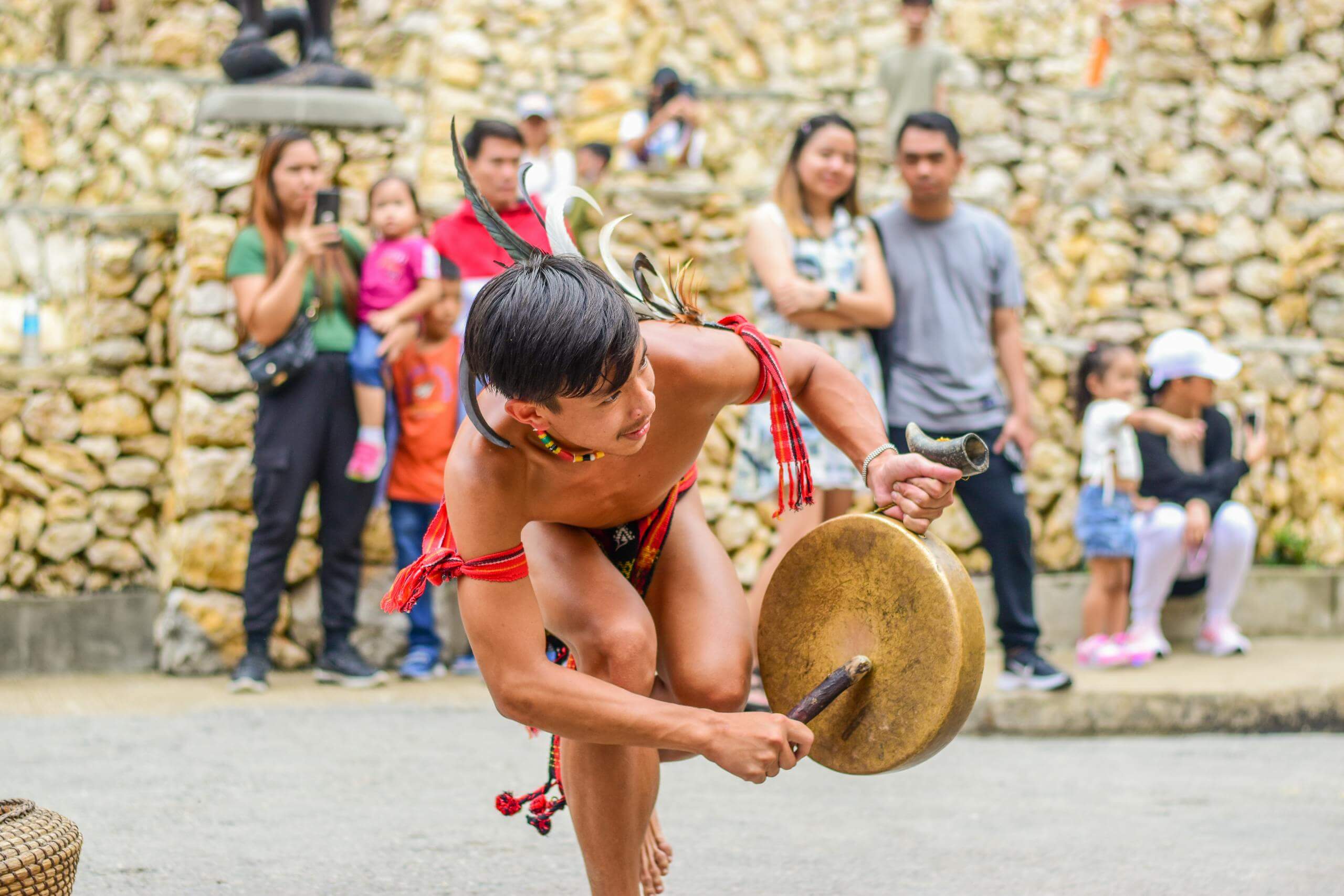
- The Indigenous Core: Baguio was originally Kafagway, an Ibaloi settlement.
To respect the culture, understand that the land you walk on is ancestral. - The Ibaloi Heritage Garden: Located near Burnham Park.
Visit the Avong (communal house) to see the Ibaloi identity revitalization in action. - Etiquette: When visiting museums like Museo Kordilyera or BenCab, maintain a quiet, observant demeanor.
Cordilleran culture values “Hiya” (propriety) and respect for elders. Always ask before photographing people in traditional attire.
Beyond the First Glance
- The Hangar Market
Beyond the purple jars of ube, here is the real haul- The Coffee Bean Run: Visit Garcia’s Coffee in the City Market. Ask for the “Benguet Blend” (Dark Roast). It’s the smell of Baguio in a bag.
- Kiniing vs. Pinikpikan: Look for Kiniing (smoked pork) in the meat section. It’s the Cordilleran answer to ham/bacon—intensely smoky and perfect for bringing home.
- Easter Weaving: Skip the ₱100 “Baguio” shirts. Buy a single Inabel (hand-woven) hand towel or scarf from the Easter Weaving Room. It lasts a lifetime.
- The “Igorot” Photo Trap: Near Mines View, you will see people in traditional attire. If you take a photo, they will demand payment per person/per shot. Advice: Agree on a price first (usually ₱20-50) or better yet, engage in a conversation first to make it an interaction, not a transaction.
- Taxis & “Long Routes”: Baguio taxi drivers are famously honest and usually use meters. However, in 2026, some may claim “traffic surcharge” for Camp John Hay. Advice: Always insist on the meter; it’s the law in Baguio.
Nights, Mornings, and All The Views
- Skip the main park crowds for Tam-awan Village. It’s a “living” museum of reconstructed Ifugao and Kalinga huts.
- The Night Market Strategy: Harrison Road opens at 10:00 PM.
- Tactical Tip: Enter from the Burnham Lake side to avoid the heaviest initial crush. Look for the “ukay-ukay” (thrift) stalls labeled “New Arrivals” for the highest quality knits.
Tourist Traps or Totally Worth It?
| Bontoc Museum | A world-class collection of Igorot artifacts and traditional house replicas. |
| Maligcong Rice Terraces | Less crowded than Banaue, offering stunning “stone-walled” terrace views. |
| Mount Kupapey | The premier spot in Bontoc to witness a spectacular sea of clouds. |
| Mainit Hot Springs | Natural sulfuric springs located in a nearby village, perfect for post-hike recovery. |
How long you can linger, and what it really cost
- Time:
- Overnight is enough to reset
- 2D1N is ideal
- 3D2N is luxury slow (and worth it)
- Budget range:
- Budget trip: ₱2,000–₱3,500 per person
Bus fare, street food, session road walks, cheap pension house - Comfortable trip: ₱4,000–₱6,500 per person
Private room, café mornings, Good Shepherd pasalubong, Uber/Grab when tired - “We survived this long” tier: ₱8,000+
Hotel with a view, full meals, Camp John Hay silence, zero guilt
No shame in any tier. The cold air costs nothing.
- Budget trip: ₱2,000–₱3,500 per person
Three Days in Baguio: A Self-Guided Budget Itinerary
This is not a tour package. This is a framework for people who want to experience Baguio without guided groups, without inflated costs, and without the manufactured itineraries that turn cities into checklists.
You will walk more than you expect. You will eat where locals eat. You will use the same transportation systems that residents use. The city will reveal itself through effort and attention rather than through curated experiences.
Budget Framework: ₱2,500–₱3,500 for three days (Excludes Manila-Baguio transport. Includes accommodation, food, local transport, and minimal entrance fees.)
Day One: The Core City on Foot
Morning: Arrival and Orientation (6:00 AM – 10:00 AM)
- Most Manila buses arrive in Baguio between 5:30 and 7:30 AM, depositing passengers at the main terminal on Governor Pack Road. You will be tired. The city will be waking up. This timing is actually ideal.
- From the bus terminal, walk to Burnham Park (15 minutes downhill). The park at dawn is Baguio at its most genuine: joggers doing laps, elderly residents doing tai chi, vendors setting up bicycle rentals. The lake reflects early light. This is your reset moment after a night bus.
- Find a tapsihan near the park. These breakfast spots serve tapsilog (cured beef, fried rice, egg) starting at ₱80–₱120. Coffee is instant but hot. Order, eat, and let your body understand that you have arrived somewhere cooler and slower.
Budget so far: ₱100–₱150
- After breakfast, continue walking to Session Road, the city’s main commercial spine. In early morning, before tourists clog the sidewalks, you can actually see how the street functions: students heading to university, office workers buying pandesal, vendors arranging produce. Walk the full length from top to bottom. Notice the elevation drop. You will climb this later.
Mid-Morning to Lunch: The Market District (10:00 AM – 1:00 PM)
- From Session Road, navigate to Baguio City Public Market. The building is unmistakable: massive, multi-leveled, perpetually crowded, and entirely functional. This is not a tourist market. This is where the city buys vegetables from Benguet, strawberries from La Trinidad, meat, rice, and everything else required for actual living.
- Enter on the ground floor and move systematically through the sections. The produce area displays vegetables you will not see in Manila: three varieties of lettuce, multiple potato types, massive carrots, sayote in piles. Prices are marked but negotiable for bulk. Even if you are not buying, the volume and variety tell you something about the agricultural systems feeding this city.
- The upper floors hold dry goods, clothing, and household items. The basement level contains the wet market—meat, fish, and the specific smell that comes with both. This is not pleasant, but it is real. Move through it.
- Vendors will largely ignore you unless you show buying intent. This is a working market, not a cultural performance.
- Exit the market and find a carinderia on Magsaysay Avenue (the road running below the market). These are open-front eateries with pre-cooked dishes displayed in metal trays. Point at what looks good: adobo, pinakbet, fried fish, sinigang. Rice is unlimited. A full plate costs ₱60–₱100.
- Budget so far: ₱160–₱250
Afternoon: Established Routes, Minimal Crowds (1:00 PM – 5:00 PM)
- After lunch, catch a jeepney heading to Mines View Park. Board at the jeepney terminal near the public market. The route is clearly marked. Fare: ₱15–₱20. The ride takes 20–30 minutes depending on traffic.
- Mines View Park is tourist infrastructure, and you will share space with selfie-seekers and horse ride touts. Accept this. The value is not the souvenir shops or the viewpoint platform. The value is the ambient temperature (noticeably cooler than downtown) and the sight lines toward Benguet’s mining areas and vegetable terraces.
- Stay 30 minutes. Walk the ridge. Ignore vendors unless you genuinely want a woven blanket or strawberry jam.
- From Mines View, walk downhill toward Wright Park (approximately 1.5 kilometers, mostly downhill). The road curves through residential areas where Baguio shows its non-tourist face: houses with gardens, small sari-sari stores, parked cars with pine needles on windshields. This walk matters more than either park.
- Wright Park features the Mansion (the official summer residence of the Philippine President) behind gates you cannot enter. The park itself is a horse track where rental horses walk in circles carrying children and tourists. The real feature is the tunnel of trees—a dense canopy of pine creating a covered walkway. The light here is different. The temperature drops another degree.
- From Wright Park, catch another jeepney back toward Session Road. Alternatively, if your legs are willing, walk downhill through residential streets. The city’s topography becomes clear through this descent: everything is stacked on slopes, nothing is level, and “just down the road” always means down a significant incline.
- Budget so far: ₱190–₱290 (including jeepney fares)
Evening: Session Road and Cheap Comfort Food (5:00 PM – 9:00 PM)
- By early evening, you have walked between 8–10 kilometers, most of it on inclines. Your body will confirm this. Return to your accommodation, rest, and prepare for the second phase: Session Road at night.
- Session Road after dark becomes a pedestrian promenade, especially on weekends. Even on weekdays, the street fills with people walking for the sake of walking. This is Baguio’s paseo culture: slow movement, frequent stops, social visibility.
- For dinner, choose based on budget and energy level:
- Ultra-budget option: Café by the Ruins Dua (lower Session Road). Filipino comfort food in a bohemian setting. Kalabasa soup (₱90), chicken adobo (₱150), brown rice (₱40). The space has history and character without charging premium prices.
- Middle option: Hill Station (Casa Vallejo). Slightly higher prices (mains ₱180–₱280) but excellent food and a restored heritage building. The mushroom soup is justifiably popular.
- Absolute budget: Find a Chowking or Jollibee near Session Road. No shame in this. A Chickenjoy meal costs ₱110 and you know exactly what you are getting.
- Budget for dinner: ₱110–₱300
- After eating, walk Session Road again. Notice how the cold makes people walk faster. Notice the street food vendors appearing with bibingka and puto bumbong if it is near Christmas season, or hot taho year-round. Buy taho (₱20) if you want something sweet and warm.
- Return to your accommodation by 9:00 or 10:00 PM. Baguio nights are cold. Sleep will come easily.
- Day One Total Budget: ₱450–₱800 (excluding accommodation)
Day Two: The Eastern Loop and Hidden Corners
Morning: La Trinidad and the Strawberry Farms (7:00 AM – 12:00 PM)
- Wake early. Eat breakfast at your accommodation if included, or grab pandesal and coffee from a bakery (₱40–₱60).
- From Session Road or the public market area, catch a jeepney to La Trinidad (the adjacent municipality, technically not Baguio but functionally part of it). Fare: ₱15–₱20. Ask for “La Trinidad public market” or simply “strawberry.”
- La Trinidad is where Baguio’s vegetables actually come from. The valley spreads below the main road in a patchwork of terrace farms growing strawberries, lettuce, carrots, and flowers. This is working agriculture, not agritourism, though tourism has inevitably arrived.
- The strawberry farms charge minimal entrance fees (₱20–₱50) and let you pick berries directly. You pay per kilogram for what you pick (approximately ₱350–₱450/kg depending on season). The experience is straightforward: you walk between rows, pick ripe berries, and accumulate dirt on your shoes.
- Is this essential? No. Is it pleasant on a cool morning with fog still clinging to the upper terraces? Yes. Pick a small amount, enough to eat fresh and share. Strawberries here taste different than supermarket versions—smaller, more tart, more fragile.
- Spend 90 minutes maximum at the farms. The experience exhausts itself quickly.
- From the strawberry area, walk or catch a short tricycle ride (₱10–₱20) to the La Trinidad Vegetable Trading Post. This is a wholesale market where farmers sell directly to buyers. The scale is impressive: tons of vegetables moving through in a morning, prices posted on chalkboards, transactions happening in bulk.
- You cannot buy wholesale quantities, but you can observe the system that feeds Metro Manila’s markets. The activity peaks between 6:00 and 10:00 AM. After that, the energy dissipates and it becomes just a large, empty building.
- Budget so far: ₱105–₱210 (including transport, farm entrance, small strawberry purchase)
Midday: Return to Baguio, Eastern Ridge Route (12:00 PM – 3:00 PM)
- Take a jeepney back toward Baguio, but get off at the Dominican Hill Redemptorist Church (ask the driver for “Lourdes Grotto”). The church sits on a hill overlooking the city, accessible via a steep path with Stations of the Cross at intervals.
- The climb is legitimate—252 steps if you start from the bottom. Your legs, already tired from yesterday, will protest. Climb anyway. The view from the top encompasses the full city basin, the surrounding mountains, and on clear days, the South China Sea in the far distance.
- The church itself is active and functional. Mass schedules are posted. Candles burn. This is not a tourist site pretending to be religious; it is a religious site that tolerates tourists. Respect the space accordingly.
- Descend the same way. At the bottom, find a carinderia along Assumption Road for lunch. The area serves students and workers, so food is cheap and portions are substantial. Expect ₱70–₱120 for a full meal.
- Budget so far: ₱175–₱330
Afternoon: The Botanical Garden and Alternative Walking Routes (3:00 PM – 6:00 PM)
- From the grotto area, catch a jeepney toward the Botanical Garden (also called Igorot Park). Fare: ₱15. The garden sits at a lower elevation than most Baguio attractions, in a natural bowl surrounded by pine-covered slopes.
- Entrance is free. The garden contains native plant species, walking paths, and scattered sculptures. The main value is the space itself: large enough to absorb people, quiet enough to think, cool enough to sit on grass without discomfort.
- This is where you rest. Your body has accumulated two days of walking and elevation changes. Find a spot under pine trees. Sit. Let time pass without agenda.
- Stay as long as makes sense—an hour, two hours, until the temperature starts dropping with the approaching evening.
- From the Botanical Garden, you can either jeepney back to Session Road or, if energy permits, walk. The walk is approximately 3 kilometers, mostly uphill, through residential areas. This is not scenic in tourist terms, but it shows you Baguio’s everyday texture: houses with vegetable gardens, corner stores, kids coming home from school, the sound of dogs and tricycles and daily life.
- Budget so far: ₱190–₱345
Evening: Night Market and Street Food Circuit (6:00 PM – 9:00 PM)
- If you are in Baguio on a weekend (Friday evening through Sunday), the Harrison Road Night Market operates from 6:00 PM to midnight. This is not a tourist night market. This is a massive bazaar selling cheap clothing, vegetables, street food, used items, and everything else people need to buy at discount prices.
- The market stretches for several blocks. The crowd is dense and moves slowly. You will smell grilling meat, see piles of second-hand jeans, hear vendors calling out prices. Navigation requires patience and awareness.
- For street food, try:
- Balut: ₱20–₱25 each
- Grilled chicken intestines (isaw): ₱5–₱10 per stick
- Sweet potato (kamote) cue: ₱20 for a bag
- Hot taho: ₱20–₱30
- Grilled corn: ₱30–₱40
- This can constitute dinner if you graze systematically. Budget ₱150–₱250 for a full street food meal.
- If it is not a weekend, the night market does not operate. Instead, walk to Good Taste Restaurant (multiple locations, easiest to find on Session Road). This is a Baguio institution: cheap, no-frills Chinese-Filipino food served in a perpetually busy dining room. Order:
- Chicken asado: ₱150–₱200
- Mixed vegetables: ₱120–₱150
- Yang chow fried rice: ₱100–₱150
- Serves 2–3 people comfortably
- Budget for evening: ₱150–₱350
- Day Two Total Budget: ₱455–₱1,025 (excluding accommodation)
Day Three: The Outlying Sites and Departure Prep
Morning: Camp John Hay and the Forest Walk (7:00 AM – 11:00 AM)
- Your last full morning. Make it count by going somewhere that feels different from the urban density of the previous two days.
- Eat breakfast early—pandesal and coffee from a bakery (₱40–₱60).
- Take a jeepney to Camp John Hay, the former U.S. military base that is now a mixed-use development of hotels, golf courses, and preserved forest. The jeepney drops you at the main gate. Entrance is free for pedestrians.
- Ignore the commercial developments (Manor Hotel, various restaurants). Head directly to the forest trails. These are marked paths winding through pine forest and patches of native vegetation. The trails are well-maintained, mostly flat or gently sloping, and genuinely quiet.
- Walk the Yellow Trail or the Eco Trail. Both loop back to starting points within 1–2 hours. The forest here is not wilderness—it is managed, preserved, and clearly bounded—but it provides the sensation of being away from the city while still within it.
- The air is noticeably cleaner. The temperature is noticeably cooler. Bird calls replace traffic noise. This is restorative walking, not destination walking.
- After the forest, walk to the nearby Bell Church (Our Lady of Atonement Cathedral), also within Camp John Hay grounds. The church is modern, built in 1998, but architecturally distinctive with its bell tower visible across the area. The interior is simple and meditative. The windows frame pine trees.
- Exit Camp John Hay and find a carinderia along Loakan Road for late breakfast or early lunch (₱70–₱120).
- Budget so far: ₱110–₱180
Midday: Last Errands and Pasalubong Strategy (11:00 AM – 2:00 PM)
- Return to the city center. If you need to buy pasalubong (items to bring home), do this now with the following budget-conscious strategy:
- Skip the overpriced “pasalubong centers” on Session Road. They charge tourist premiums.
- Instead, go to:
- Baguio Public Market: Ube jam (₱80–₱150 per jar), peanut brittle (₱100–₱200 per pack), strawberry jam (₱120–₱180).
- Easter Weaving Room (Easter School Road): Woven products at fair prices. Placemats (₱50–₱100), small bags (₱150–₱300).
- Good Shepherd Convent (Gibraltar Road): The original and still the best source for ube jam and peanut brittle. Prices are reasonable, quality is consistent. The convent sells directly to the public from 9:00 AM to 12:00 PM and 1:00 PM to 5:00 PM daily.
- For Good Shepherd, take a jeepney to “Good Shepherd” (drivers know it). The convent is on a hill. You enter a simple sales room where nuns conduct transactions with quiet efficiency. Buy what you need, thank them, and leave.
- Pasalubong budget: ₱300–₱800 (depending on how many people you need to satisfy)
Afternoon: Final Walk and Departure Preparation (2:00 PM – 5:00 PM)
- You have several hours before evening buses depart (most Manila-bound buses leave between 7:00 PM and midnight). Use this time for final wandering without agenda.
- Suggested route: Walk from Session Road to Burnham Park again. Rent a bicycle (₱50–₱100 per hour) and do slow loops around the lagoon. This is not exciting. This is closing the loop. You arrived here on Day One at dawn. You are leaving via the same park in afternoon light. The park has not changed. You have.
- Alternatively, find Baguio Museum near Burnham Park. Entrance is free or minimal (₱20–₱50). The collection is small but includes Cordillera artifacts, historical photographs, and context for the city’s development. Spend 45 minutes here if you want intellectual closure on what you have been walking through.
- For your last meal in Baguio, choose something warm:
- Option 1: Mami (noodle soup) Multiple mami houses operate near the public market and Session Road. A bowl costs ₱60–₱100. The broth is hot, the noodles are filling, and the temperature contrast with the cold air outside makes this deeply satisfying.
- Option 2: Goto (rice porridge) Similar comfort, similar price range. Available at many carinderias.
- Option 3: Bulalo (beef bone marrow soup) More expensive (₱180–₱280) but appropriate for a final meal if your budget allows. Several restaurants on Session Road specialize in this. The soup is rich, the beef is tender, and it will keep you warm through the bus ride.
- Final meal budget: ₱60–₱280
- Budget so far: ₱470–₱1,260 (including pasalubong)
- By 5:00 or 6:00 PM, make your way to the bus terminal. Buses to Manila begin boarding around 6:30 PM for 7:00 or 7:30 PM departures. Night buses run throughout the evening, with last departures around 11:00 PM or midnight.
- Purchase snacks for the bus ride: bread, bottled water, maybe some of the strawberries you picked on Day Two if they have lasted. Budget ₱50–₱100 for bus food.
- Day Three Total Budget: ₱520–₱1,360 (excluding accommodation and bus fare back to Manila)
Where to Stay: Budget Accommodation Options
- Baguio has accommodation at every price point. For this budget framework, focus on the ₱400–₱800 per night range.
[VERIFICATION NEEDED: Current prices and operational status for all accommodations require confirmation. The following are representative options based on typical Baguio budget lodging, not confirmed bookings.]
Ultra-Budget: ₱300–₱500/night
- Burnham Suites: Basic rooms near Burnham Park. Shared bathrooms in cheapest tier. Clean but minimal.
- Baguio Village Inn: No-frills lodging on Session Road. Location is the value proposition.
Mid-Budget: ₱600–₱800/night
- Hotel Veniz: Older property, functional rooms, good location on Session Road. Baguio Vacation
- Apartments: Studio-type rooms with basic kitchenette. Useful if you want to prepare some of your own food.
Alternative: Dormitory/Hostel (₱250–₱400/night per bed)
Several hostels operate in Baguio catering to backpackers and budget travelers. These provide the cheapest sleeping option and opportunities for social interaction if desired. Search “Baguio hostels” for current listings.
Booking strategy:
- Weekdays offer better rates and availability
- Walk-in rates during off-peak periods can be negotiated
- Booking platforms (Agoda, Booking.com) sometimes offer deals, but calling directly can yield similar or better prices
- Location near Session Road or the public market provides best access to food and transport
Accommodation for 2 nights: ₱500–₱1,600
Complete Three-Day Budget (All-In)
Ultra-Budget Mode:
- Accommodation: ₱500 (2 nights)
- Daily expenses: ₱1,425
- Bus Manila-Baguio-Manila: ₱900–₱1,200
- Total: ₱2,825–₱3,125
Moderate Budget Mode:
- Accommodation: ₱1,200 (2 nights)
- Daily expenses: ₱2,500
- Bus transport: ₱900–₱1,200
- Total: ₱4,600–₱4,900
Comfortable Budget Mode:
- Accommodation: ₱1,600 (2 nights)
- Daily expenses: ₱3,185
- Bus transport: ₱900–₱1,200
- Total: ₱5,685–₱5,985
- Jeepneys are the primary transport system. Routes radiate from the public market and Session Road to all major destinations. Fares range ₱12–₱25 depending on distance. Routes are marked on the vehicle’s front and side. If uncertain, ask the driver before boarding.
- Walking is how you will actually understand Baguio. The city is compact enough that most tourist sites are within 3–5 kilometers of Session Road. The elevation changes make distances feel longer. Wear appropriate shoes.
- Taxis exist but are harder to flag than in Manila. Meter rates start at ₱40. Grab operates but availability varies. Use taxis only when carrying luggage or when jeepneys are not running (late night/early morning).
- Tricycles cover short distances in neighborhoods where jeepneys do not reach. Fares are negotiable but typically ₱20–₱50 for most trips.
- Do not rent a car unless you are confident driving on steep, narrow roads with aggressive local drivers and minimal parking. Baguio’s traffic during peak hours negates any convenience a car might provide.
Vibe: What This Itinerary Feels Like
- This is not a relaxing vacation. This is an active engagement with a city that reveals itself through physical effort and deliberate attention.
- You will be tired each evening. Your legs will be sore. You will sleep well.
- You will eat simply and well. You will not have Instagram-worthy food moments, but you will have satisfying meals that cost less than coffee in Manila.
- You will walk among locals going about their lives. You will be a visitor, but not an obviously serviced tourist. The experience will feel more authentic because you are using the same systems residents use.
- The cold will be a constant presence. You will appreciate it in the afternoon heat. You will curse it in the early morning when you have to leave a warm bed. You will remember it when you return to Manila’s humidity.
- Baguio will not transform you. It will simply give you three days of cooler air, steeper roads, and a different pace. Whether that is enough depends on what you brought with you and what you were hoping to leave behind.
Best Times to Execute This Itinerary
- Optimal: November to early February
- Coolest temperatures (15–22°C)
- Minimal rain
- Clear mountain views
- Weekdays are quiet; weekends are crowded but manageable
- Acceptable: March to May
- Warming but still cooler than Manila
- Dry conditions ideal for walking
- Summer break brings more tourists; expect crowds
- Challenging: June to October
- Rainy season brings daily afternoon showers
- Fog can obscure views for days
- Roads become slippery
- The city is beautiful in rain, but logistics become harder
- Avoid if possible: Late December (Christmas week), Holy Week, long weekends
- Traffic becomes unbearable
- Accommodation prices spike
- Popular sites are overwhelmed
- The budget framework breaks down under peak season inflation
Final Expectations: What You Will Actually Experience
- You will walk more than you planned. Your body will feel this.
- You will eat well on a tight budget if you follow local eating patterns.
- You will see Baguio’s tourist sites, but the city will reveal itself more through the walks between sites than the sites themselves.
- You will be cold. Pack layers.
- You will meet few other foreign tourists. You will be surrounded by Filipino families, student groups, and retirees escaping Manila heat.
- You will not fall in love with Baguio in three days, but you will understand why people keep returning.
- You will leave with sore legs, a bag of ube jam, and a recalibrated sense of what cool weather feels like.
- The city will not have changed. You will have spent three days walking through it. That is the complete transaction.
Visit The Baguio City Tourism and Special Events Office (CTSEO) for assistance and information to tourists and visitors, including guidance on local attractions, accommodations, dining options, and recreational activities
Travel smarter, use Commute Guides links as your tool to understand how modes connect before moving.
Choose your intent. Navigate with confidence. Move without guessing. Use Homepage as your control panel.
Places worth imagining—before you ever arrive, explore Dream Destinations for your weekend getaways and travel itineraries.
MappedAtlas improves with commuter reports. If you find outdated routes, changed timetables, or new paths, send a quick update.
Last updated: March 2026
Disclaimer: The information here is for guidance only. Schedules and fares are subject to change based on traffic, weather and maintenance without notice from the operators. Always allow extra time for your trip. Safe travel “Ka-Atlas”.