Dream Destination: Ho Chi Minh City, Vietnam — When You Need a City That Never Apologizes for Being Alive
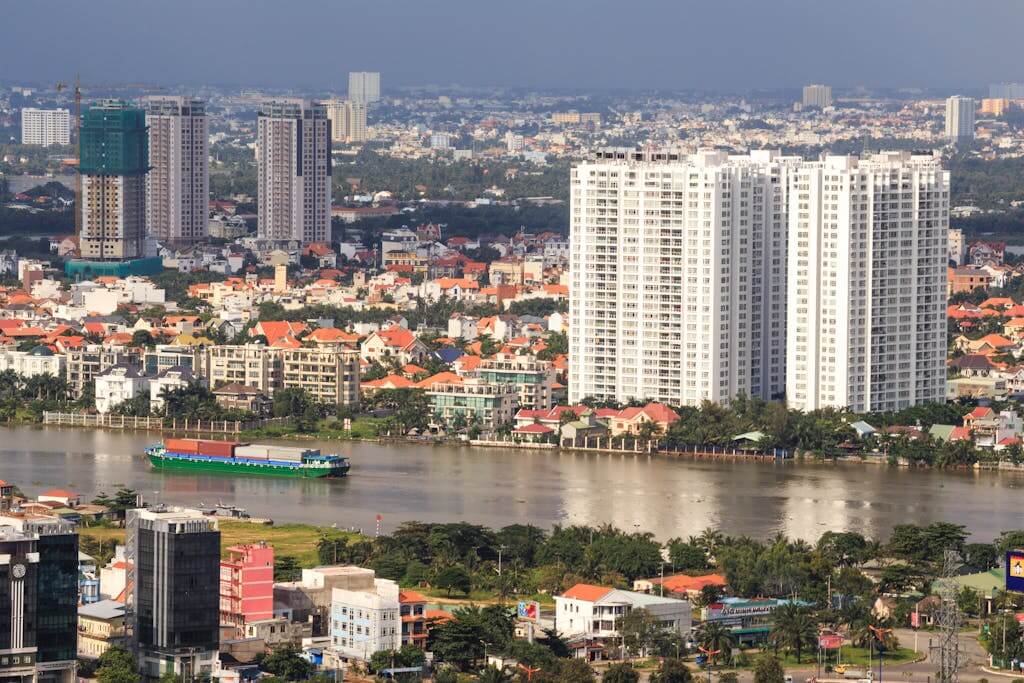
Photo by Quang Nguyen Vinh @pexelsphoto
Ho Chi Minh Vietnam tour doesn’t ease you in. It throws you into traffic that moves like a river of motorbikes—5 million of them, flowing around you whether you’re ready or not.
This dream destination is chaos organized by instinct instead of rules, a city of 9 million people where the war ended 50 years ago but the resilience hasn’t stopped, where French colonial architecture crumbles beautifully next to glass towers funded by an economy that’s been sprinting since Đổi Mới (economic reforms) in 1986.
Ho Chi Minh City—still called Saigon by locals, by history, by everyone who understands that renaming a city doesn’t erase its soul—is Vietnam’s economic engine, cultural flashpoint, and the city that survived napalm, embargo, and poverty by refusing to stop moving forward.
You arrive at Tan Son Nhat International Airport, step into tropical heat that feels like walking into a wet towel, and within twenty minutes you’re in a Grab (Southeast Asia’s Uber) weaving through motorbike traffic that looks suicidal but somehow works.
Welcome to Saigon.
This is a city where you eat phở at 6 AM on plastic stools next to office workers, where street vendors sell everything from bánh mì to bootleg sneakers, where rooftop bars charge $15 cocktails while the street below sells dinner for $2, where the War Remnants Museum will break you by 10 AM and street life will piece you back together by sunset.
Ho Chi Minh City is not polite. It’s not quiet. It’s not trying to make you comfortable.
But if you can handle the noise, the heat, the relentless forward motion—this city will show you what survival looks like when it becomes ambition, what resilience looks like when it’s structural, and what a culture does when it decides the best revenge against being bombed is to become impossible to ignore.
You don’t visit Saigon. You survive it, you surrender to it, and if you’re paying attention—you leave different.
⚠️ Essentials for Tourist: Mandatory Digital Arrival Card (2026). As of April 15, 2026, all international travelers arriving at Ho Chi Minh City (Tan Son Nhat – SGN) must submit a Vietnam Digital Arrival Card online via the official portal (prearrival.immigration.gov.vn) up to 72 hours before landing.
For the ones who feel the pull – this Ho Chi Minh Vietnam tour is your SOLITUDE
If you need quiet, order, or personal space, Ho Chi Minh City will exhaust you.
If you need energy, street life, food that makes you rethink everything you thought Vietnamese cuisine was, and a city that rewards those who dive in instead of observe from the edges—Saigon is waiting.
This dream destination was built for:
- First-time Southeast Asia travelers who want chaos with excellent infrastructure (compared to its neighbors)
- History buffs ready to confront the Vietnam War (American War) from the other side—museums that don’t sanitize, tunnels that don’t perform
- Street food obsessives who understand that the best meals cost $3 and come on plastic stools
- Motorbike enthusiasts ready to rent a Honda Wave and navigate traffic that looks like orchestrated chaos
- Budget backpackers who can live like kings on $25/day Digital nomads testing Southeast Asia with good Wi-Fi, cheap rent, and café culture
- Anyone tired of cities that have been gentrified into politeness—Saigon is raw, real, unapologetic
When the world finally exhales, what it feels like
District by District Because Saigon Is Many Cities
District 1: Tourist Heart, Colonial Bones, Backpacker Energy
- This is where you’ll probably stay—Bến Thành Market, Đồng Khởi Street, Nguyễn Huệ Walking Street.
- Mornings start with motorbike horns at 5:30 AM (welcome to Saigon—silence doesn’t exist).
- You walk to a street corner for phở—₫50,000–70,000 ($2–3), served in chipped bowls by vendors who’ve been on that corner for 30 years. You sit on child-sized plastic stools (Saigon’s official furniture). You sweat into your soup. It’s the best thing you’ve eaten all week.
- Landmarks:
- Notre-Dame Cathedral Basilica of Saigon—French colonial, currently under renovation, still worth seeing
- Saigon Central Post Office—designed by Gustave Eiffel, functioning post office, beautiful enough to be a museum
- Independence Palace (Reunification Palace)—where the war ended (tanks crashed through gates on April 30, 1975), preserved exactly as it was, propaganda and all
- War Remnants Museum—this is where the day gets heavy (see below)
- Bùi Viện Street (Backpacker District)—neon, beer towers, ₫15,000 Saigon beers ($0.60), tourists and local youth mixing, loud until 2 AM. Fun if you’re 23. Avoidable if you’re not.
District 2: Thảo Điền—Expat Enclave, Western Prices
- Where expats, diplomats, and wealthy Vietnamese live. Western restaurants, international schools, cafés charging $5 for coffee.
- It’s clean. It’s quiet. It’s also not really Saigon—it’s Saigon for people who want Southeast Asia without the Southeast Asia.
- Skip unless you’re homesick or need a brunch that costs more than a day’s street food.
District 3: Cafés, Residential, Local Life
- Quieter than District 1, where young Saigonese actually live.
- Café culture thrives here—cà phê sữa đá (Vietnamese iced coffee, condensed milk, strong enough to restart your heart, ₫25,000/$1). You sit for hours. No one rushes you.
- Tao Đàn Park—locals exercising, elderly playing chess, morning tai chi, joggers, the city breathing before it sprints.
District 5: Chợ Lớn—Chinatown, Wholesale Chaos
- Bình Tây Market—wholesale madness, fabric, dried goods, herbal medicine, organized chaos that makes you realize District 1 is the polite version.
- Thiên Hậu Temple—Chinese-Vietnamese temple, incense smoke so thick you can’t see the ceiling, worshippers, fortune tellers, spiritual commerce.
- This is old Saigon—the trading city, the port city, the Chinese-Vietnamese hybrid that predates the war.
District 7: Phú Mỹ Hưng—New Saigon, Skyscrapers, Korean Town
- Where the money moved. High-rises. Shopping malls. Korean BBQ (huge Korean expat community). Feels like you left Vietnam and landed in a suburban Asian tech hub.
- Interesting as contrast—this is where Saigon’s ambition is building its future.
THE SAIGON EXPERIENCES (What You Actually Do Here)
The War Remnants Museum: Required, Difficult, Essential
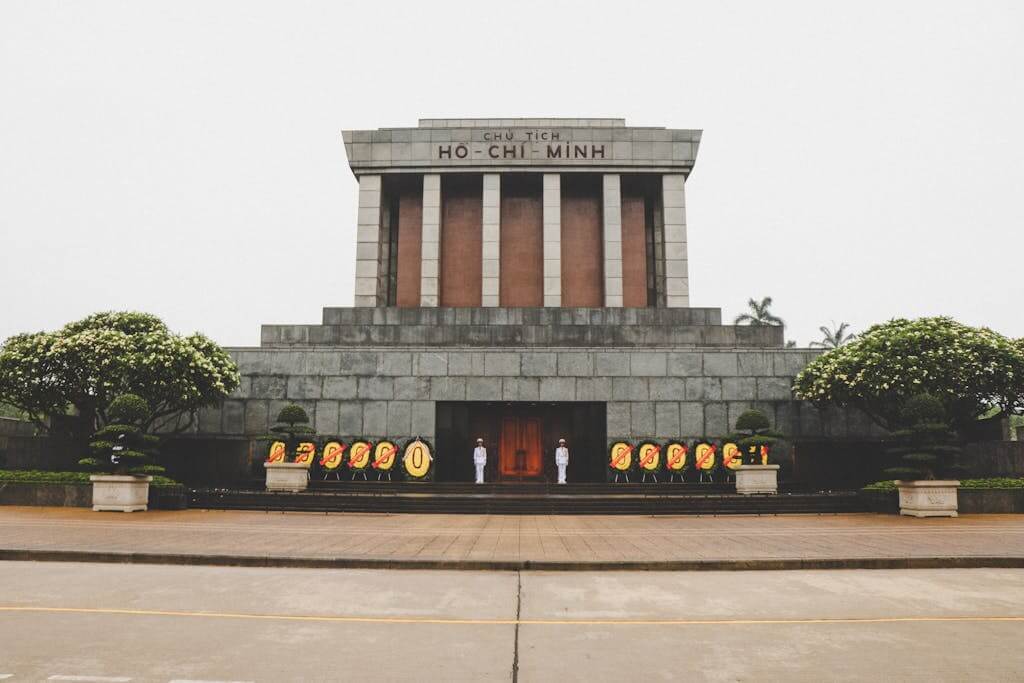
- You cannot understand Ho Chi Minh City—or Vietnam—without going here.
- This museum doesn’t soften anything. It shows the Vietnam War (American War) from the Vietnamese perspective: Agent Orange victims (photos and living evidence), war crimes documentation, weapons used against civilians, the Tiger Cages (prison cells so small inmates couldn’t stand), photographs that will haunt you.
- You walk through in silence. Other visitors are crying. You might be too.
- Outside: captured American tanks, helicopters, bombs.
- The museum is propaganda—yes. It’s also truth. The Americans dropped more bombs on Vietnam than all of WWII combined. The photographs don’t lie.
- You leave hollow. The city is still moving outside. The contrast is violent.
- Budget 2–3 hours. Bring emotional capacity. This isn’t tourism—it’s witnessing.
Cu Chi Tunnels: Half-Day Trip, 70km Northwest
- The Viet Cong’s underground tunnel network—250+ kilometers at peak, hand-dug, used to move troops, supplies, and survive carpet bombing.
- You crawl through a widened section (₫90,000 entry). It’s hot. It’s claustrophobic. You’re in there for 20 meters and you’re already panicking—and these tunnels went for kilometers, housed kitchens, hospitals, schools, entire lives underground.
- Above ground: shooting range (you can fire AK-47s—₫600,000/$25 for 10 bullets, loud, jarring), bomb craters, demonstrations of trap techniques.
- It’s touristy. It’s also essential context for understanding how the Viet Cong fought—and won.
Motorbike Life: The City’s Circulatory System
- You cannot understand Saigon from a car.
- Option 1: Rent a motorbike (₫100,000–150,000/day, $4–6). International license technically required, rarely checked. Traffic is chaos but follows invisible rules—just flow, don’t fight it.
- Option 2: Xe ôm (motorbike taxi via Grab). Faster, cheaper than cars, you see/smell/feel the city.
- Option 3: Motorbike food tours (₫600,000–1,200,000/$25–50)—local guides take you to street food spots tourists never find.
- The motorbike is Saigon. The traffic is the city’s heartbeat
Street Food: The Real Reason You’re Here
Forget restaurants. The best food is on the street:
- Phở (beef noodle soup)—₫50,000, breakfast staple, every corner
- Bánh mì (baguette sandwich—French legacy meets Vietnamese innovation)—₫25,000, best at Bánh Mì Huỳnh Hoa (long lines, worth it)
- Bún thịt nướng (grilled pork vermicelli)—₫40,000, lunch favorite
- Gỏi cuốn (fresh spring rolls)—₫30,000, mint, shrimp, rice paper
- Cơm tấm (broken rice with grilled pork)—₫40,000, filling, perfect
- Chè (sweet dessert soup)—₫20,000, coconut milk, beans, jelly, tropical chaos in a cup
- Cà phê sữa đá (iced coffee)—₫25,000, fuel for everything
Eat where locals eat. Plastic stools = good food. English menu = tourist prices.
Rooftop Bars: The Gentrified Counterpoint
Saigon has world-class rooftop bars—views, cocktails, air conditioning:
- Chill Skybar (26th floor, AB Tower)—₫200,000+ drinks ($8+), views over District 1
- Saigon Saigon Bar (Caravelle Hotel, 10th floor)—historic, where journalists covered the war
- EON Heli Bar (52nd floor, Bitexco Tower)—expensive (₫300,000+ drinks), stunning
You spend ₫500,000 ($20) on two drinks after eating dinner for ₫100,000 ($4). The contrast is Saigon.
Markets: Organized Chaos, Bargaining Required
- Bến Thành Market—touristy, aggressive vendors, souvenirs, silk, coffee, dried fruit
- Bình Tây Market (District 5)—wholesale, locals only vibe, fabric, ceramics, herbal medicine
- Saigon Square (clothing, knockoffs, cheap and cheerful)
Bargain hard. First price is 2–3x fair price. Walk away—they’ll call you back.
The quite reasons you’ll find your way back
This dream destination doesn’t coddle you.
First-timers find it overwhelming—traffic, heat, hustle, vendors, noise. Second-timers find their rhythm—favorite phở corner, motorbike confidence, café spot. Third-timers realize they’re not tourists anymore—they’re navigating like locals, bargaining in broken Vietnamese, understanding that chaos is the system.
Saigon becomes less a destination and more a frequency—and once you tune in, you can’t unhear it.
Because Ho Chi Minh City, Vietnam is:
- Unapologetically alive—energy that doesn’t quit, street life that runs 18 hours/day
- Historically essential—you cannot understand the Vietnam War without standing here
- Food paradise on a budget—world-class street food for pocket change
- Southeast Asia with infrastructure—Grab works, Wi-Fi is good, logistics are easy
- A city that rewards those who engage—tourist bubble exists, but step outside and Saigon opens
What this place whispers to your heart – the emotional promise
You’ll stand in the War Remnants Museum and cry in front of photographs you can’t unsee. You’ll eat phở at 6 AM on a plastic stool and understand why Anthony Bourdain loved this city. You’ll cross a six-lane motorbike intersection by walking slowly and trusting the flow—and survive.
Ho Chi Minh City won’t make you comfortable. But it’ll show you what a city looks like when it refuses to be defeated—when war, poverty, and embargo become fuel instead of endings. And that resilience, that relentless forward motion—it’s contagious.
This is the kind of place you bring:
- Your assumptions about the Vietnam War when you’re ready to have them complicated
- Your appetite when you’re ready for street food that resets your standards
- Your sense of adventure when you need a city that doesn’t sanitize itself for tourists
- Your budget consciousness when you want to live well without financial stress
- Yourself when you’re ready for a city that demands engagement, not observation
What follows you home – after you leave
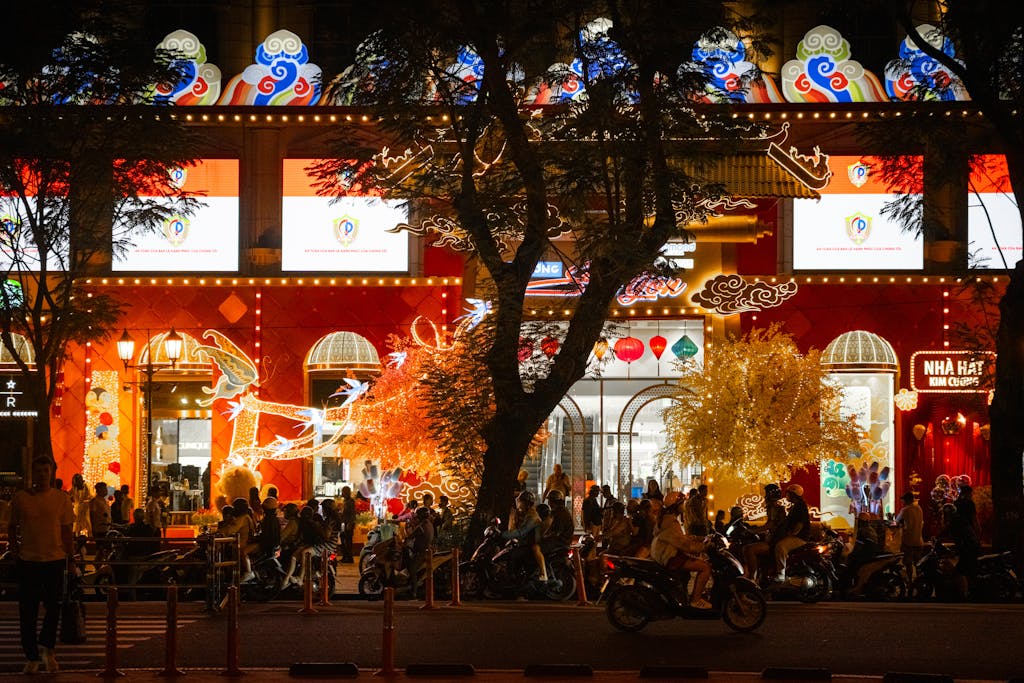
Photo by Vuong @pexelsphoto
- You’ll fly out of Tan Son Nhat, and the quiet will feel wrong.
- You’ll miss: the motorbike chaos. The bánh mì you can’t replicate. The energy that runs through Saigon like electricity through wire.
- Some people leave and immediately book the return trip—Saigon becomes a base for Southeast Asia. Some people leave and realize they needed the chaos to appreciate stillness again. Some people leave and spend months trying to explain what Saigon feels like—and failing every time, because you have to be in it.
- All three are valid.
What matters is this: you witnessed a city that survived being bombed, embargoed, and renamed—and responded by becoming impossible to ignore. And once you’ve felt that energy—that refusal to quit—you carry it.
How long you can linger, and what it really cost
⌛Time:
- 2D1N minimum—War Museum, street food, motorbike chaos, barely scratches surface
- 3D2N ideal—add Củ Chi Tunnels, neighborhood exploration, proper food hunt
- 5D4N—Mekong Delta day trip, deeper districts, café culture, cooking class
- 1 week+—base for southern Vietnam (Mũi Né, Vũng Tàu, Mekong), digital nomad test
💸Budget Range:
- Shoestring: $300–$550 (5 days)
- Budget flight, hostel dorm (₫150,000–250,000/$6–10/night), street food only (₫200,000/$8/day), walking + xe ôm, free museums/parks, ₫15,000 beers, calculated spending
- Comfortable: $700–$1,200
- Mid-tier airline, 3-star hotel (₫500,000–900,000/$20–36/night), mix street food + restaurants (₫400,000/$16/day), Grab everywhere, War Museum, Củ Chi tour (₫600,000), rooftop bar, shopping buffer
- “Living well in Saigon” tier: $1,500–$2,800+
- Business class, boutique hotel (₫1,500,000–3,000,000/$60–120/night), fine dining + street food, private tours, spa, tailored suits, rooftop bars without checking prices, motorbike rental with guide
🧳Saigon is one of Southeast Asia’s best value destinations—street food is cheap, hotels are affordable, and you can live remarkably well on $40–60/day.
🌞If Ho Chi Minh City feels like the Southeast Asia energy you needed, your next chapter might be ⤵️
The Dream Map Travel Destinations grows one story at a time.
It’s a collection of lived moments—routes taken on a whim, places that surprised you, detours that turned into stories worth keeping.
Every Dream Map travel destinations exists because someone went first.
If you’ve been there—
reached a place you didn’t expect to love
discovered a route that felt smoother than advertised
stayed longer than planned because the place earned it.
share it below.
Your experience doesn’t have to be perfect. It just has to be real.
What you add helps future travelers imagine better, plan smarter, and arrive with context instead of fantasy.
Dream Map travel destinations grows one story at a time—quietly, collectively, and with intention
This page evolves with shared experiences. Verified patterns are folded back into the map over time.
MappedAtlas improves with commuter reports. If you find outdated routes, changed timetables, or new paths, send a quick update.
Last updated: March 2026