Sabah Malaysia — When You Need Borneo’s Wild Side Without Losing Your Mind or Your Luggage
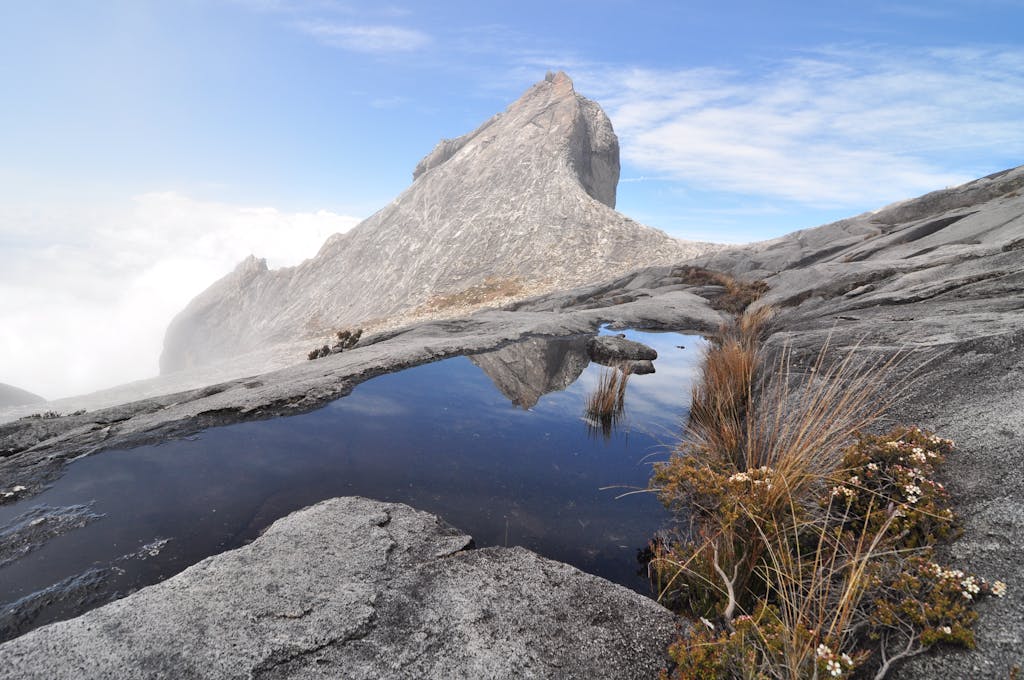
Photo by Nadzrin @pexelsphoto
Sabah Malaysia tour is what happens when you’ve done Southeast Asia’s greatest hits and you need something that’s still raw—orangutans swinging through rainforest canopies, dive sites where sea turtles outnumber tourists, mountains you can summit without technical gear, and a coastline where islands look hand-placed by someone with excellent taste.
This dream destination is the northern tip of Borneo—Malaysia’s wild child state, where 73,631 square kilometers of rainforest, mountains, coral reefs, and river systems exist in a state of controlled wildness.
Sabah (صباح in Jawi script—means “morning” or “east”) is not Kuala Lumpur. It’s not beach resorts. It’s not easy.
It’s Mount Kinabalu (4,095m—Southeast Asia’s highest peak) rising from the jungle like a stone temple. It’s the Kinabatangan River where proboscis monkeys, pygmy elephants, and orangutans share the same riverbanks. It’s the Sipadan dive sites where Jacques Cousteau said “I have seen other places like Sipadan, 45 years ago, but now no more. Now we have found an untouched piece of art.”
It’s the Dusun, Bajau, Kadazan, Murut, and Rungus peoples—30+ indigenous groups who’ve been here longer than borders existed, still farming, fishing, and practicing traditions that predate the concept of “Malaysia” by millennia.
You arrive at Kota Kinabalu International Airport (capital city, gateway), step into tropical heat that wraps around you like a wet blanket, and immediately understand: this isn’t Bali-easy or Singapore-polished.
This is Borneo—the third-largest island on Earth, split between Malaysia (Sabah and Sarawak), Indonesia (Kalimantan), and Brunei. Sabah got the mountains, the dive sites, and the wildlife density that makes David Attenborough documentaries possible.
It just exists—rainforest so dense you can’t see ten meters in, coral reefs so alive they make Maldives look bleached, mountains that let you summit if you’re willing to wake up at 2 AM and climb in the dark.
You don’t visit Sabah for luxury (though eco-resorts exist).You come because you need orangutans in the wild, not in zoos. Because you need to dive with hundreds of sea turtles, not three. Because you need a mountain you can actually summit without Everest-level commitment. Because you need a version of Southeast Asia that still has teeth—where jungle means jungle, where wildlife means wild, where “eco-tourism” isn’t performance but necessity.
Sabah is Borneo for people who want Borneo—not a sanitized version.
⚠️ Essentials for Tourist: MDAC is Mandatory (3 Days Prior): Except for Singaporeans, all foreign travelers must complete the Malaysia Digital Arrival Card (MDAC) online at imigresen-online.imi.gov.my within 3 days before arrival.
For the ones who feel the pull – this Sabah Malaysia tour is your EDGE
If you need luxury beach clubs, nightlife, or 5-star pampering, Sabah will disappoint you—though Kota Kinabalu has hotels, the state’s strength isn’t polish.If you need rainforest, reefs, mountains, and wildlife in concentrations that justify the logistics—Sabah is non-negotiable.
This dream destination was built for:
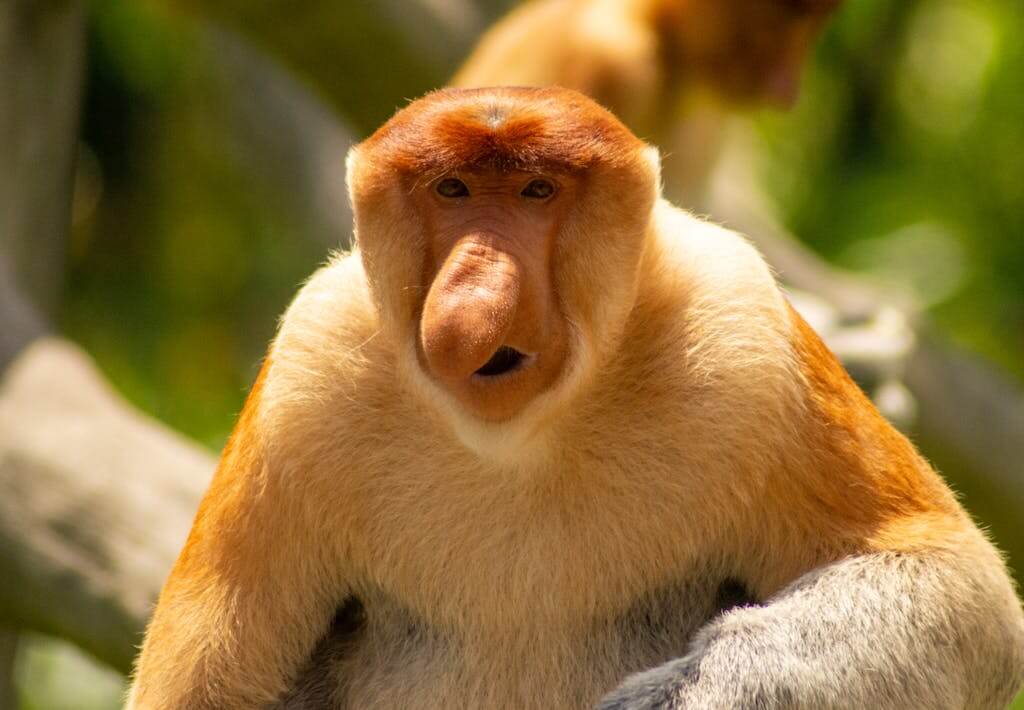
Photo by Tim Morgan @pexelsphoto
- Wildlife lovers ready for orangutans, proboscis monkeys, pygmy elephants, hornbills, and biodiversity that rivals the Amazon
- Divers chasing world-class sites (Sipadan consistently ranks top 5 globally)—sea turtles, barracuda tornadoes, hammerheads, reef sharks
- Hikers who want to summit Mount Kinabalu—Southeast Asia’s highest peak, challenging but non-technical (no climbing experience required)
- River adventurers ready for Kinabatangan River safaris—floating through rainforest at dawn watching wildlife wake up
- Island hoppers seeking Tunku Abdul Rahman Marine Park—five islands off Kota Kinabalu, snorkeling, beaches, day trips
- Eco-travelers who want sustainable tourism that actually supports conservation and indigenous communities
- Anyone tired of Instagram Bali who needs Southeast Asia that hasn’t been flattened by mass tourism
When the world finally exhales, what it feels like
KOTA KINABALU (KK—The Gateway Base)
Kota Kinabalu (commonly called KK—population 500,000) is Sabah’s capital and your entry point.
It’s functional, not beautiful—a working city rebuilt after WWII bombing, now a mix of Malaysian Chinese shophouses, modern malls, waterfront development, and backpacker hostels.
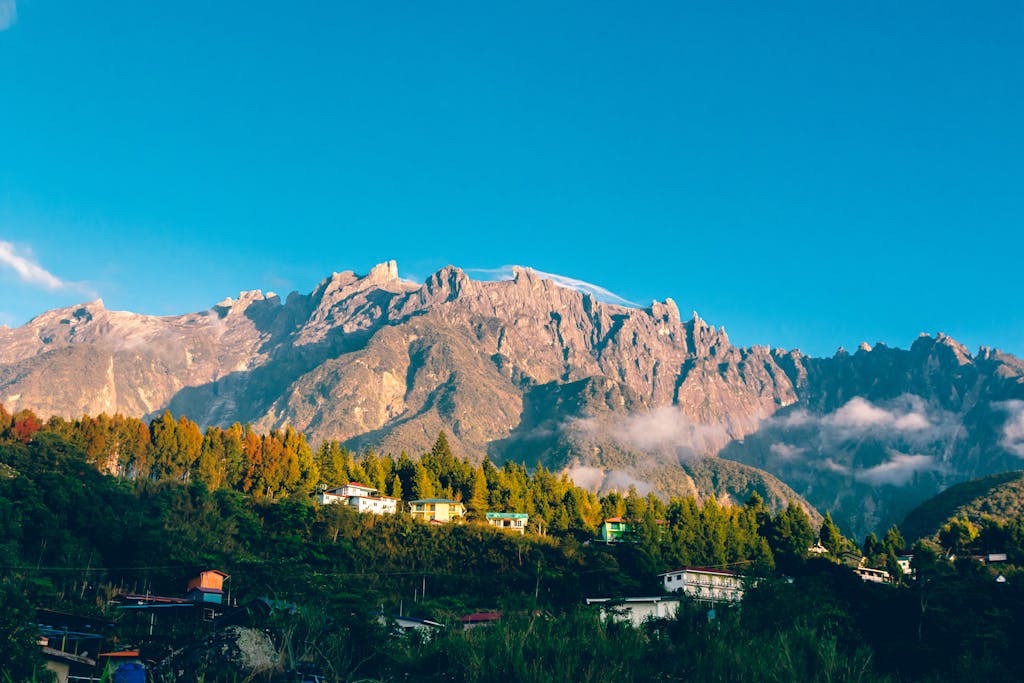
Photo by Ihsan Adityawarman @pexelsphoto
- Signal Hill Observatory—short hike/drive (15 minutes from city center), views over the city, South China Sea, and sunset if timed right. Free.
- Tunku Abdul Rahman Marine Park—five islands (Gaya, Sapi, Manukan, Mamutik, Sulug) 15–20 minutes by boat (RM23–38/$5–8 round-trip). Snorkeling, beaches, day trips. Water clarity varies (decent, not Maldives). Good for half-day if you’re in KK anyway.
- Filipino Market (Handicraft Market)—souvenirs, batik, pearls, wood carvings, aggressive bargaining required.
- Gaya Street Sunday Market—local produce, street food, tropical fruits you’ve never seen.
- KK Waterfront—seafood restaurants, sunset walks, tourist-friendly but functional.
- Sabah State Museum—indigenous cultures, natural history, ethnography. RM15 ($3.30). Worth 1–2 hours if curious about Sabah’s 30+ ethnic groups.
Honest assessment: KK is a base, not a destination. You sleep here, you eat seafood here, you book tours here—but the real Sabah is outside the city.
Budget 1–2 nights max, then move.
MOUNT KINABALU (神山, Gunung Kinabalu—Southeast Asia’s Roof)
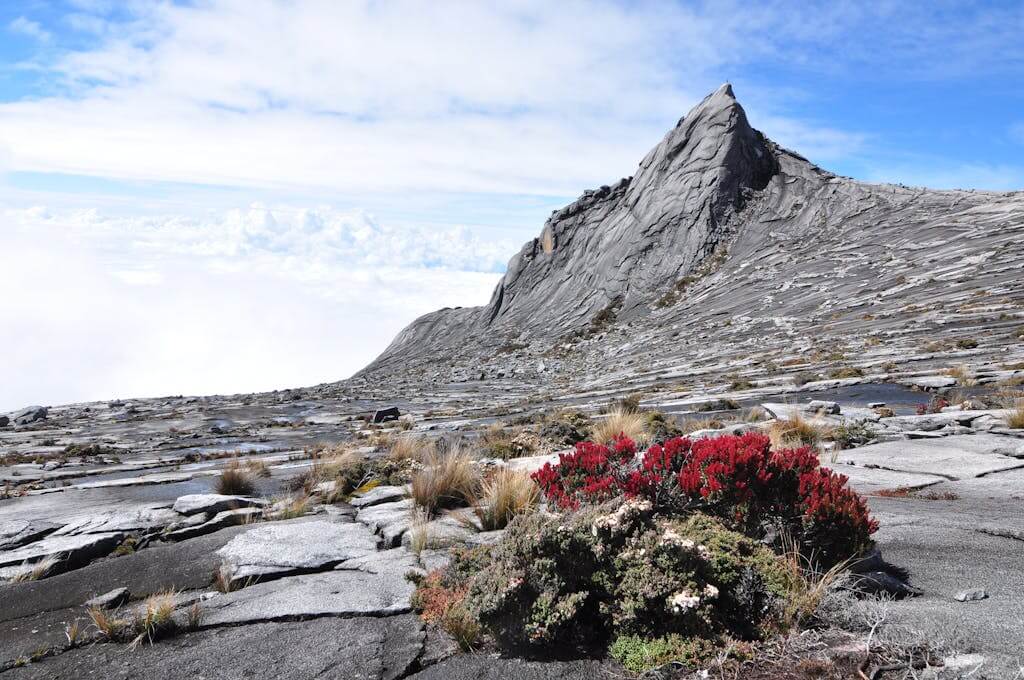
Mount Kinabalu (4,095m / 13,435ft) is Sabah’s crown jewel—a granite massif rising from rainforest, sacred to the Kadazan-Dusun people, and the highest peak between the Himalayas and New Guinea.
The Climb
This is not technical—no ropes, no ice axes, no mountaineering experience required. It’s a trekking peak—stairs, wooden platforms, via ferrata cables on the final section, but fundamentally: you walk uphill for two days.
DAY 1
- Start at Timpohon Gate (1,866m)
- Hike 6km, 4–6 hours, gaining 1,400m elevation
- Through rainforest → cloud forest → alpine scrub
- Sleep at Pendant Hut or Laban Rata Resthouse (3,272m)
- Early dinner, sleep by 7 PM
DAY 2
- Wake at 2 AM (yes, 2 AM) Summit push in darkness—3.5km, 800m gain, 3–4 hours
- Rocky, steep, cold (0–5°C), headlamp mandatory
- Reach Low’s Peak (4,095m) for sunrise
- Watch the sun rise over Borneo, clouds below, peaks stretching endlessly
- Descend all the way to base (10–12km total descent, 6–8 hours)
- Knees destroyed, legs screaming, sense of accomplishment permanent
REQUIREMENTS
- You must book permits and accommodation months in advance (climbing slots limited, popularity high):
- Park entry: RM25 ($5.50)
- Climbing permit: RM200 ($44)
- Mountain guide (mandatory): RM300–400 ($66–88) for 1–3 climbers
- Accommodation at Laban Rata: RM450–650 ($99–143) per person (basic heated dorms with meals)
- Insurance (mandatory): RM15 ($3.30)
- Total cost: RM1,000–1,500 ($220–330) per person minimum.
Via Ferrata Option
- After summiting, you can descend via via ferrata (RM650–800/$143–176)—fixed cables and rungs on exposed cliff faces, adrenaline-pumping, spectacular views.
Fitness level required
- Moderate-to-high. You don’t need mountaineering skills, but you need cardiovascular fitness and knee strength. If you can hike uphill for 6 hours with breaks, you can do this.
- Best time: February–April (dry season), avoid November–January (wet, dangerous)
KINABATANGAN RIVER (Wildlife Highway)
The Kinabatangan River is Sabah’s wildlife artery—320km of meandering river through lowland rainforest where orangutans, proboscis monkeys, pygmy elephants, hornbills, crocodiles, and macaques live in shocking density.
This is not a zoo. This is not guaranteed sightings. This is wild Borneo—and the sightings are common.
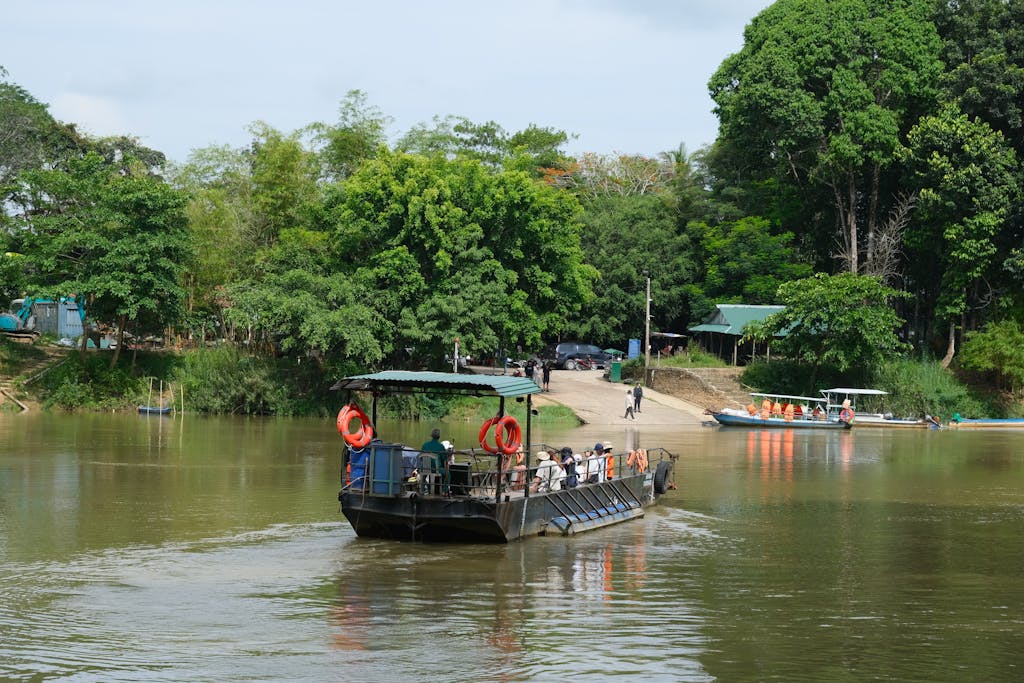
Photo by Tuyen Hoang @pexelsphoto
You stay in Sukau village (2.5 hours from Sandakan, 6 hours from KK)—basic lodges, eco-resorts, homestays lining the river.
Daily schedule:- 6 AM river safari—boat cruise, watching jungle wake up, birds calling, proboscis monkeys leaping through trees
- Breakfast
- Jungle trek (optional)—muddy, humid, guide points out plants, insects, trees older than your country
- 4 PM river safari—afternoon light, orangutans foraging on riverbanks, pygmy elephants drinking (if lucky), hornbills flying overhead
- Dinner
- Night safari (optional)—spotlighting for crocodiles, owls, sleeping birds
What you’ll see (high probability):
- Proboscis monkeys (100% chance)—big-nosed, pot-bellied, endemic to Borneo, hilarious-looking, found in riverside trees every evening.
- Orangutans (70–90% chance)—wild, swinging through canopy, eating fruit, occasionally crossing the river swimming (rare but documented).
- Pygmy elephants (30–50% chance)—Borneo’s endemic elephants, smaller than African/Asian cousins, gentle, herd behavior, muddy riverbanks.
- Hornbills—8 species in Sabah, massive beaks, loud calls, prehistoric-looking.
- Macaques, monitor lizards, crocodiles, kingfishers—common.
- 2D1N package: RM400–700 ($88–154) per person—transport from Sandakan, accommodation, meals, 4 river safaris, guided treks.
- 3D2N package: RM600–1,200 ($132–264)—more safaris, better odds of rare sightings, deeper immersion.
- Independent budget option: Stay at Uncle Tan’s (legendary backpacker spot, basic dorms RM250–400/$55–88 for 2D1N including safaris).
- WHEN: Year-round possible, but dry season (March–October) is best—lower water levels concentrate wildlife, easier sightings.
SEPILOK ORANGUTAN REHABILITATION CENTRE
Near Sandakan (25km from town), this is where orphaned and injured orangutans are rehabilitated and released back into the wild.
- You walk wooden boardwalks through rainforest to an open feeding platform. Rangers put out fruit. Orangutans swing in from the jungle—sometimes 5, sometimes 20, depends on wild fruit availability (if jungle has plenty, fewer show up).
- You watch from viewing platforms (15–20 meters away). The orangutans are semi-wild—they come for easy food, then disappear back into 43 square kilometers of protected forest.
- Entry: RM30 ($6.60).
- Also on-site: Bornean Sun Bear Conservation Centre (world’s smallest bear species)—entry RM30 ($6.60).
- Honest take: It’s touristy. It’s managed. But it’s also real conservation—these centers have successfully released 80+ orangutans back into the wild. Your entry fee funds that.
- Budget 2–3 hours total (both centers).
SIPADAN ISLAND (The Dive Site That Legends Are Made Of)
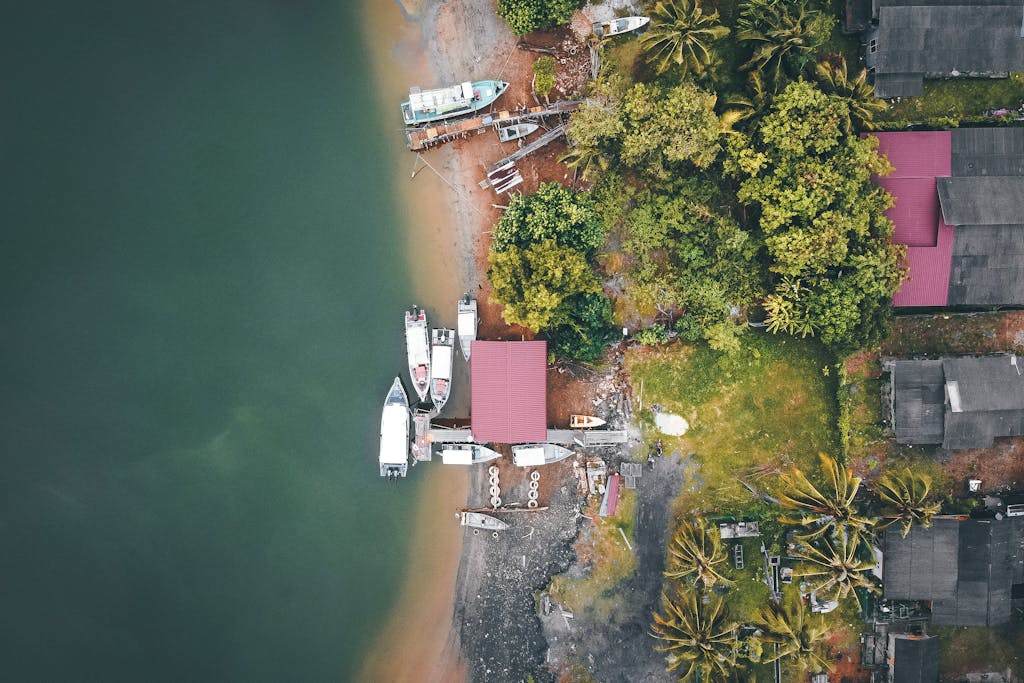
Photo by Pok Rie @pexelsphoto
Sipadan is a 12-hectare oceanic island off Sabah’s east coast—and one of the world’s top dive sites.
Why it’s legendary:- Sea turtles—50–100 per dive, not exaggeration. Green and hawksbill turtles everywhere.
- Barracuda Point—cyclone-like schools of barracuda, thousands swirling in formation
- Hammerhead sharks (seasonal)
- White-tip and gray reef sharks—constant presence
- Vertical drop-offs—the island is an oceanic peak, walls plunge 600+ meters
- Pristine coral reefs—protected, vibrant, intact
Jacques Cousteau filmed here. Dive magazines rank it top 5 globally.
Permits are limited: Only 120 divers/day allowed. Permits allocated to dive operators randomly via lottery system. You book dive packages, operators apply for permits, and you hope you get allocated days.
COST:3D2N Sipadan dive package (staying on Mabul):- Budget: RM1,500–2,200 ($330–484)—basic guesthouse, 6–9 dives (2–3 at Sipadan if permits granted)
- Mid-range: RM2,500–4,000 ($550–880)—better accommodation, more dives, better boats
- High-end: RM5,000+ ($1,100+)—water bungalows, full-board, photography support
WHEN: March–October best visibility. Avoid November–January (monsoon, rough seas, dive shops close).
SANDAKAN (History + Wildlife Base)
- Sabah’s second city (population 400,000), former capital, WWII history, gateway to Sepilok and Kinabatangan.
- Sandakan Memorial Park—WWII POW camp site, Sandakan Death Marches memorial (brutal history, 2,400+ POWs died). Sobering, important, free entry.
- Agnes Keith House—colonial-era writer’s home, museum, views over Sandakan Bay. RM15 ($3.30).
- Puu Jih Shih Temple—Chinese Buddhist temple on hilltop, views, architecture.
- Sandakan Heritage Trail—self-guided walk through colonial buildings, markets, waterfront.
- Honestly: Sandakan is functional, not beautiful. Use as base for Sepilok, Kinabatangan, and Turtle Islands (see below).
TURTLE ISLANDS PARK (Selingan Island—Baby Turtle Release)
Selingan Island (part of Turtle Islands Park, 40km north of Sandakan) is where green and hawksbill turtles nest year-round.
OVERNIGHT EXPERIENCE:
- You stay overnight in basic chalets (RM480–600/$106–132 per person, meals included, permits included, advance booking essential).
- Evening: Rangers patrol beaches. When a turtle comes ashore to lay eggs, they notify you. You watch (from distance, silently) as she digs, lays 40–100 eggs, covers the nest, returns to sea.
- Later (usually 9–11 PM): Rangers take you to hatchery. Baby turtles (from eggs laid 60 days prior) are released. You watch hundreds of tiny turtles scramble toward the ocean.
- It’s magical. It’s also real conservation—the hatchery protects eggs from predators, poachers, and ensures higher survival rates.
- WHEN: Year-round, but July–October peak nesting season (higher chances of seeing multiple turtles).
The quite reasons you’ll find your way back
This dream destination rewards those who embrace logistics. First-timers hit KK, Kinabalu, Sepilok—the accessible hits. Second-timers add Kinabatangan, Sipadan, Turtle Islands—deeper immersion. Third-timers explore Danum Valley (pristine primary rainforest), Maliau Basin (Sabah’s “Lost World”), remote dive sites, indigenous village homestays.
Sabah becomes less a checklist and more an obsession—because once you’ve seen wild orangutans, once you’ve dived with tornado barracudas, once you’ve summited Kinabalu at sunrise—Southeast Asia’s “easier” destinations feel tame.
Because Sabah, Malaysia is:
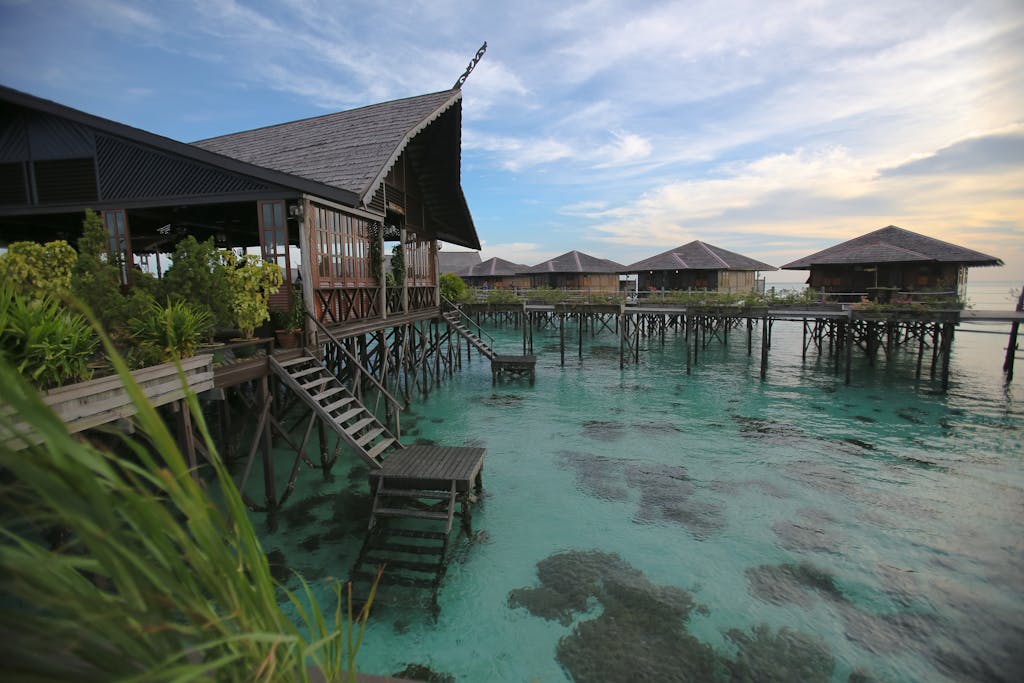
Photo by vitalina @pexelsphoto
- Borneo’s accessible wild side—wildlife density rivals the Amazon, infrastructure is functional
- Diving world-class—Sipadan is bucket-list, permits are hard but worth the lottery
- Mount Kinabalu achievable—summit Southeast Asia’s highest peak without technical skills
- Wildlife viewing reliable—orangutans, proboscis monkeys, pygmy elephants aren’t “if lucky,” they’re “when”
- Still relatively undiscovered—compared to Bali/Thailand, Sabah is empty
What this place whispers to your heart – the emotional promise
You’ll watch a wild orangutan swing overhead on the Kinabatangan River and feel your heart rate spike. You’ll summit Mount Kinabalu at 6 AM, watch the sun rise over Borneo’s endless green, and cry without knowing exactly why. You’ll dive Sipadan, float above a barracuda cyclone, and understand why Cousteau called it “an untouched piece of art.”
Sabah won’t make it easy.
But it’ll show you what Southeast Asia looks like when it’s still wild—when orangutans swing free, when coral reefs thrive intact, when mountains demand effort and reward it with views that rewrite your baseline for “beautiful.”
This is the kind of place you bring:
- Your sense of adventure when you need Southeast Asia that still has edges
- Your dive certification when you’re ready for world-class reefs
- Your hiking boots when you want to summit a real mountain (not a hill marketed as one)
- Your patience for wildlife that’s wild—not in cages, not guaranteed, just… there
- Yourself when you’re ready for Borneo that’s still Borneo
What follows you home – after you leave
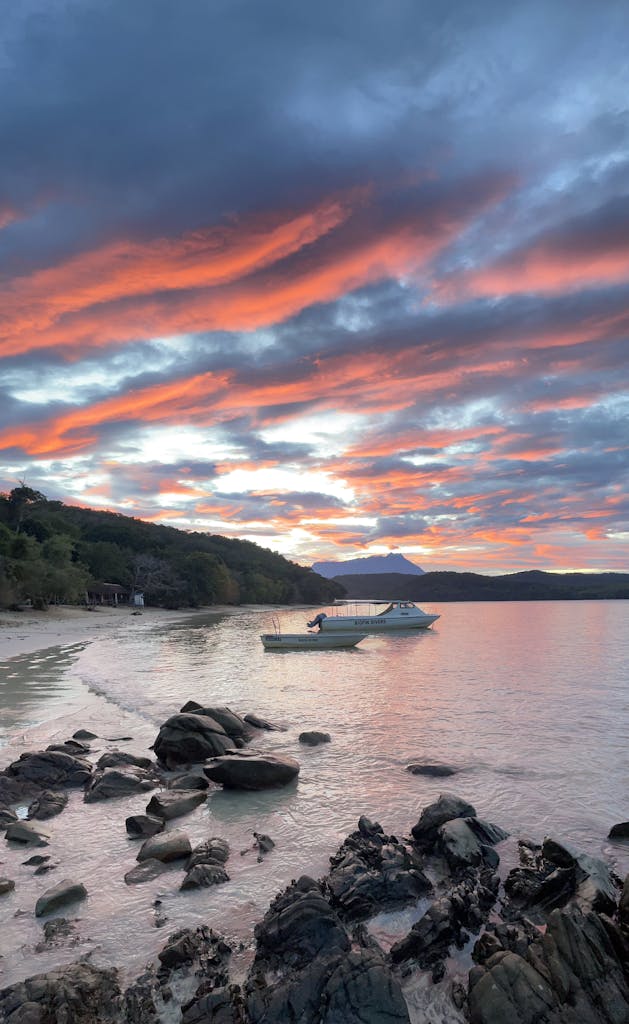
Photo by Syafiq Arshad @pexelsphoto
You’ll leave Sabah, Malaysia and every zoo will feel like a crime.
Every “eco-resort” will feel performative. Every “wildlife viewing” will feel staged.
Because you’ve seen the real thing—orangutans in canopy, pygmy elephants on riverbanks, sea turtles by the hundred.
Some people leave and immediately plan deeper Borneo trips—Sarawak, Brunei, Kalimantan (Indonesian Borneo). Some people leave and realize they needed Sabah’s wildness to appreciate civilization again. Some people leave and spend years trying to explain what it felt like to watch a wild orangutan cross a river—and failing every time.
All three are valid.
What matters is this: you witnessed Borneo while it’s still Borneo. Before palm oil plantations erase more rainforest. Before coral bleaching reaches Sipadan. Before mass tourism discovers what divers already know.
Sabah showed you: wildness isn’t abstract. It’s orangutans swinging overhead. It’s mountains you summit in darkness. It’s reefs so alive they make you forget you’re mortal.
How long you can linger, and what it really cost
⌛Time:
- 5D4N minimum—KK (1 night), Mount Kinabalu (2D1N), Kinabatangan (2D1N), rushes
- 7D6N ideal—adds Sepilok, longer Kinabatangan stay, Tunku Abdul Rahman islands
- 10D9N comprehensive—adds Sipadan diving (3D2N), Turtle Islands, breathing room
- 2 weeks+—deep Borneo exploration, orangutan volunteering, remote village stays
💸Budget Range:
- Budget: RM150–300/day ($33–66)
- Hostel/budget guesthouse (RM30–60/night, $7–13), street food/kopitiam (RM30–50/day, $7–11), public buses, Sepilok, KK islands, skip Kinabalu/Sipadan (too expensive)
- Mid-range: RM400–800/day ($88–176)
- 3-star hotel (RM150–300/night, $33–66), mix local + Western food (RM80–150/day, $18–33), Mount Kinabalu climb, Kinabatangan 2D1N, Sepilok, occasional taxi
- Comfortable: RM1,000–2,000/day ($220–440)
- Eco-lodge/boutique resort (RM400–800/night, $88–176), all major experiences (Kinabalu, Kinabatangan 3D2N, Sipadan dive package), private transport, guides, zero stress
🧳Sabah is mid-range Southeast Asia pricing—more expensive than Thailand/Vietnam, cheaper than Singapore, comparable to Malaysian Peninsula.
Big costs: Mount Kinabalu permits/guide, Sipadan dive packages, organized wildlife tours.
⛰️If Sabah feels like the wild you needed, your next chapter might be ⤵️
The Dream Map Travel Destinations grows one story at a time.
It’s a collection of lived moments—routes taken on a whim, places that surprised you, detours that turned into stories worth keeping.
Every Dream Map travel destinations exists because someone went first.
If you’ve been there—
reached a place you didn’t expect to love
discovered a route that felt smoother than advertised
stayed longer than planned because the place earned it.
share it below.
Your experience doesn’t have to be perfect. It just has to be real.
What you add helps future travelers imagine better, plan smarter, and arrive with context instead of fantasy.
Dream Map travel destinations grows one story at a time—quietly, collectively, and with intention
This page evolves with shared experiences. Verified patterns are folded back into the map over time.
MappedAtlas improves with commuter reports. If you find outdated routes, changed timetables, or new paths, send a quick update.
Last updated: March 2026