Chengdu, China — When You Need a City That Chooses Spice, Slowness, and Giant Pandas Over Ambition
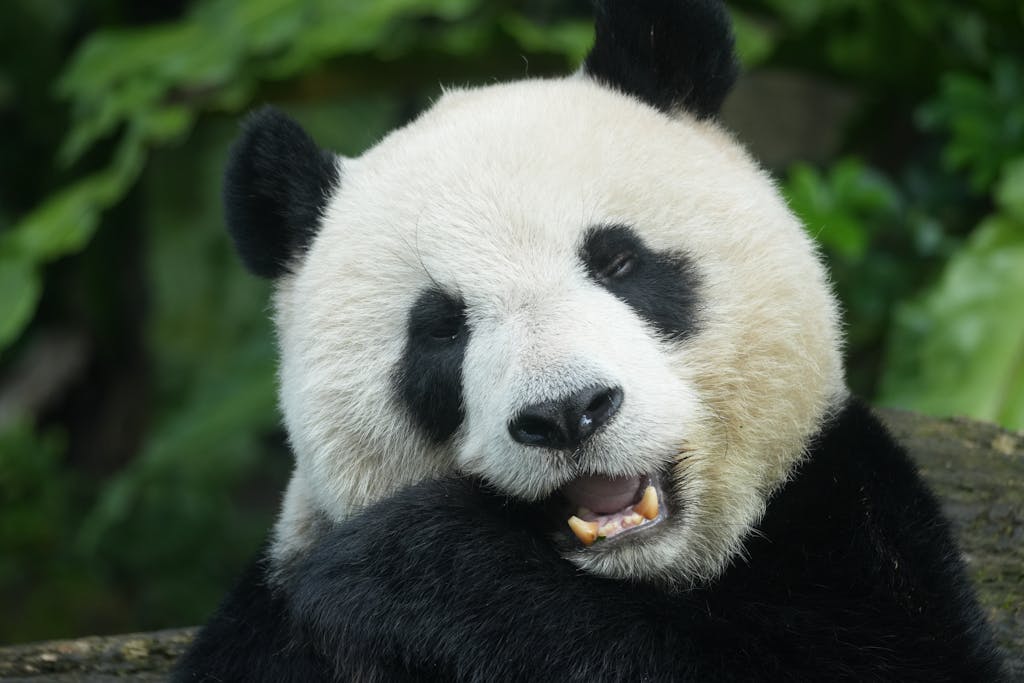
Photo by Snow Chang @pexelsphoto
Chengdu China tour is what happens when a Chinese megacity decides: we’re not racing Beijing or Shanghai—we’re going to eat hot pot until 3 AM, sit in teahouses for six hours, and let pandas be our mascot because cuteness is a valid cultural strategy.
This dream destination is the capital of Sichuan Province (四川, Sìchuān—”Four Rivers”), a city of 21 million people in southwestern China where 2,300+ years of history collide with a pace so relaxed it violates every stereotype about modern Chinese cities.
Chengdu (成都, Chéngdū—”Becoming a Metropolis”) is where:
- Sichuan cuisine was perfected—numbingly spicy (málà, 麻辣), addictively complex, arguably China’s best regional food
- Giant pandas are bred, studied, and worshipped (the city’s obsession with pandas is structural, not tourist pandering)
- Teahouse culture still functions—locals spend entire afternoons drinking tea, playing mahjong, getting ear cleanings, and existing without productivity guilt
- “Slow life” (慢生活) is the city’s unofficial philosophy—in a country racing toward GDP growth, Chengdu shrugs and orders another plate of dàn dàn miàn (担担面, spicy noodles)
You arrive at Chengdu Shuangliu International Airport or Chengdu Tianfu International Airport (opened 2021, one of the world’s largest), take the metro or taxi into a city that feels immediately different from Beijing or Shanghai:
The pace is slower. The air is humid (Sichuan Basin traps moisture). The streets smell like chili oil and Sichuan peppercorns. People actually sit—in parks, in teahouses, on sidewalks—without rushing.
Chengdu doesn’t hustle like Shenzhen or perform imperial gravitas like Beijing. It just… exists. Comfortably. Spicily. With pandas.
And that refusal to optimize every moment, that commitment to pleasure over productivity, that belief that a good meal and a long tea session matter more than GDP—it’s radical in modern China.
You don’t come to Chengdu, China to check off UNESCO sites (though they exist). You come because you need a Chinese city that still knows how to breathe, where street food costs ¥15 and ruins your tolerance for mild food forever, where you can spend an entire afternoon in a teahouse watching old men play mahjong and feel like you’re doing exactly what you should be doing.
Chengdu is the Chinese city that doesn’t apologize for prioritizing life over ambition.
And once you’ve tasted that—literally and metaphorically—you understand why people say: “少不入川,老不出蜀” (Shào bù rù Chuān, lǎo bù chū Shǔ—”The young shouldn’t enter Sichuan, the old shouldn’t leave Shu”).
Translation: Chengdu is so comfortable, so pleasurable, that young people will lose their ambition, and old people will never want to leave. It’s a warning that doubles as the city’s best advertisement.
⚠️ Essentials for Tourist: Until December 31, 2026, ordinary passport holders from roughly 50 countries (including many EU nations, Japan, and South Korea) can enter China visa-free for up to 30 days. Visa (tourist L) or 144hr transit | [visaforchina.org](https://www.visaforchina.cn) or through local Chinese embassy
For the ones who feel the pull – this Chengdu China tour is your RESET
If you need beaches, imperial palaces, or world-famous landmarks, Chengdu will underwhelm you.
If you need a city that prioritizes eating well, sitting comfortably, and protecting pandas over becoming a global financial center, Chengdu is exactly what you didn’t know you needed.
This dream destination was built for:
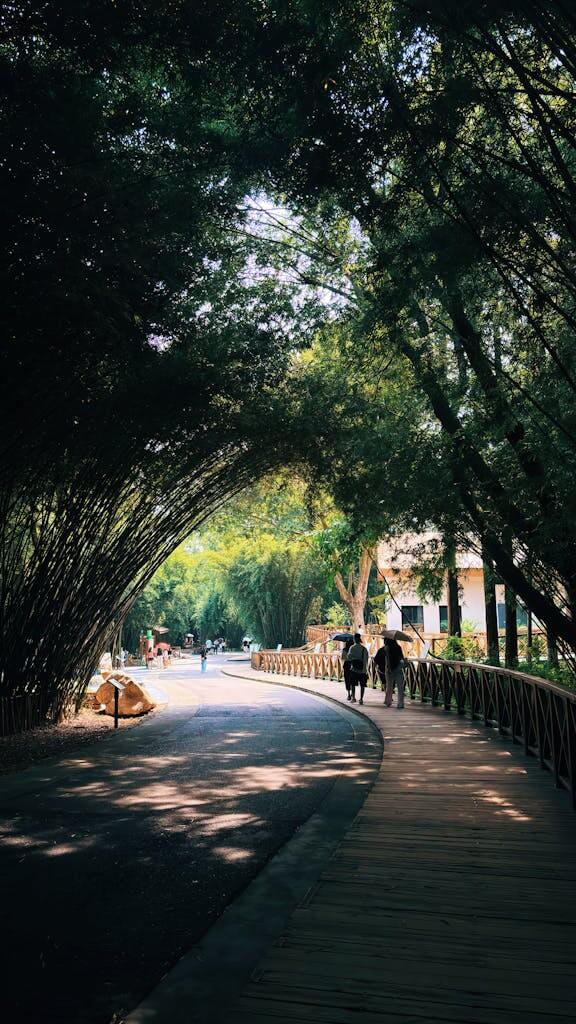
Photo by Afham Hamsyari @pexelsphoto
- Foodies ready for Sichuan cuisine that redefines what “spicy” means—numbing heat, layered flavors, addictive complexity
- Panda lovers who need to see giant pandas in person, up close, doing absolutely nothing productive (which is their job)
- Slow travelers tired of city-hopping who want to settle somewhere and live like locals
- Teahouse philosophers who understand that sitting for four hours drinking tea is an accomplishment, not laziness
- Digital nomads testing China long-term—affordable, livable, good infrastructure, less intense than Beijing/Shanghai
- Street food explorers ready to eat from dawn street markets to midnight hot pot sessions
- Anyone exhausted by productivity culture who needs a city that structurally rejects hustle in favor of leisure
When the world finally exhales, what it feels like
THE PANDA IMPERATIVE – Because You Can’t Skip This
CHENGDU RESEARCH BASE OF GIANT PANDA BREEDING: 成都大熊猫繁育研究基地
- This is why most tourists come to Chengdu—and it’s non-negotiable.
- You arrive at the Panda Base (7km north of city center, metro accessible) as early as possible (gates open 7:30 AM—go then, pandas are most active in morning before heat makes them lazy).
- Entry: ¥55 ($8).
- You walk through a massive park (600+ acres, bamboo forests, landscaped gardens) with enclosures housing 80+ giant pandas and 76+ red pandas.
What you see:
- Baby pandas (if breeding season was successful—births July-September, visible a few months later)—tumbling, wrestling, falling off platforms, being adorably incompetent at being alive.
- Adult pandas eating bamboo (they eat 12–38kg per day, 12–16 hours of eating)—sitting like humans, munching methodically, occasionally rolling over because even eating is exhausting.
- Red pandas (smaller, rust-colored, equally adorable)—tree-climbing, more active than giant pandas, underrated.
The vibe:
- Pandas are aggressively unproductive. They eat. They sleep. They occasionally mate (with difficulty—captive breeding programs exist because pandas are terrible at reproduction). They do nothing useful.
- And China has made them a national symbol.
- This is peak Chengdu energy—celebrating creatures that prioritize comfort and eating over achievement.
- You’ll spend 2–4 hours here, taking thousands of photos, watching pandas do nothing, and leaving inexplicably happy.
DUJIANGYAN PANDA BASE: Alternative, Less Crowded
- 60km from Chengdu, smaller, allows volunteer programs where you actually work with pandas (feeding, cleaning, ¥1,000–2,000/$140–280 for a day, book months in advance).
- More immersive, less touristy, harder to access.
SICHUAN CUISINE: The Real Reason to Come
- Chengdu is one of China’s great food cities—home to Sichuan cuisine (川菜, Chuāncài), one of China’s “Eight Great Traditions.”
- Key flavors:
- Málà (麻辣)—numbing and spicy:
- Má (麻) = numbing sensation from Sichuan peppercorns (花椒, huājiāo)
- Là (辣) = spicy heat from chili peppers
- The combination: your tongue goes numb, then burns, then you can’t stop eating because the flavor is so complex your brain demands more.
MUST-EAT DISHES:
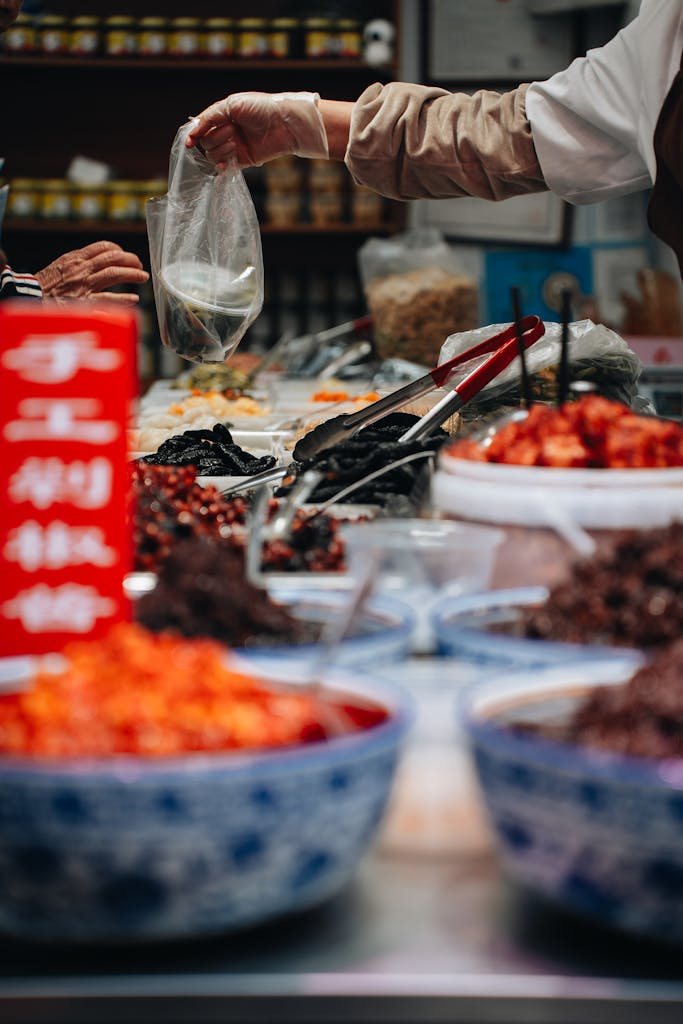
Photo by Paul Bill @pexelsphoto
- Hot Pot (火锅, Huǒguō)—Chengdu’s Soul Food:
- You sit at a table with a boiling pot of spicy broth (红油, red oil—chili oil, Sichuan peppercorns, spices). You order raw ingredients—thinly sliced meat, vegetables, tofu, noodles, tripe, duck intestines (鸭肠, yāchǎng—don’t knock it), mushrooms, blood curd.
- You cook them in the broth. You eat them with sesame oil + garlic dipping sauce. You sweat. You cry. You order more.
- Where:
- Shu Jiu Xiang (蜀九香)—local chain, reliable, spicy
- Xiaolongkan (小龙坎)—famous chain (started in Chengdu, now global)
- Street-level hot pot joints (₽60–100/person, $8–14)—best value
- Cost: ₽80–150/person ($11–21) at mid-range spots.
- Mapo Tofu (麻婆豆腐): Silken tofu in spicy bean sauce, Sichuan peppercorns, minced pork. Invented in Chengdu (1862). Numbingly spicy, addictive.
- Try at: Chen Mapo Tofu (陈麻婆豆腐)—the original (1862), touristy but historic.
- Dandan Noodles (担担面): Noodles, spicy sesame sauce, Sichuan peppercorns, preserved vegetables, minced pork. Street food classic. ₽10–20 ($1.40–3).
- Gongbao Chicken (宫保鸡丁, Gōngbǎo Jīdīng)—Kung Pao Chicken: The authentic version—chicken, peanuts, dried chilies, Sichuan peppercorns. Not sweet (like American Chinese versions). Numbing, savory, perfect.
- Fuqi Feipian (夫妻肺片)—”Husband and Wife Lung Slices”: Cold beef/offal slices in spicy chili oil sauce. Name is historical, dish is delicious. Don’t overthink it.
- Shuizhu (水煮)—”Water-Boiled” (Actually Oil-Boiled): Fish or beef in a pool of chili oil, numbing spice, vegetables. You fish out the meat. Your lips go numb. You’re happy.
- Chuan Chuan (串串, Chuànchuàn)—Skewer Hot Pot: Ingredients on skewers, cooked in communal hot pot, charged by skewer count. Casual, cheap (₽30–60/$4–8), social.
- Where: Yulin Chuanchuan (玉林串串香)—locals’ favorite.
STREET FOOD: The Best Stuff
- Zhong Dumplings (钟水饺)—sweet-spicy sauce dumplings Long Chaoshou (龙抄手)—Sichuan wontons in chili oil Dan Dan Noodles from street vendors (₽8–15/$1–2) Tea-Smoked Duck (樟茶鸭)—crispy, smoky, Chengdu specialty Rabbit Head (兔头, Tùtóu)—locals eat it, tourists are terrified, it’s delicious (numbing-spicy)
- JINLI STREET (锦里) & KUANZHAI ALLEY (宽窄巷子): Tourist-heavy pedestrian streets, but Sichuan snacks everywhere—street vendors, small restaurants, teahouses. Good for grazing.
- Warning: Sichuan food is SPICY. Like, “your tolerance doesn’t matter” spicy. Order “微辣” (wēilà—mildly spicy) and it’ll still wreck you. “中辣” (zhōnglà—medium spicy) is pain. “特辣” (tèlà—extra spicy) is a challenge, not a meal.
- You’ll sweat. You’ll cry. You’ll drink beer (雪花啤酒, Snowflake Beer—local favorite, ¥5–10/$0.70–1.40).
- You’ll keep eating anyway.
TEAHOUSE CULTURE: 慢生活, Màn Shēnghuó—Slow Life
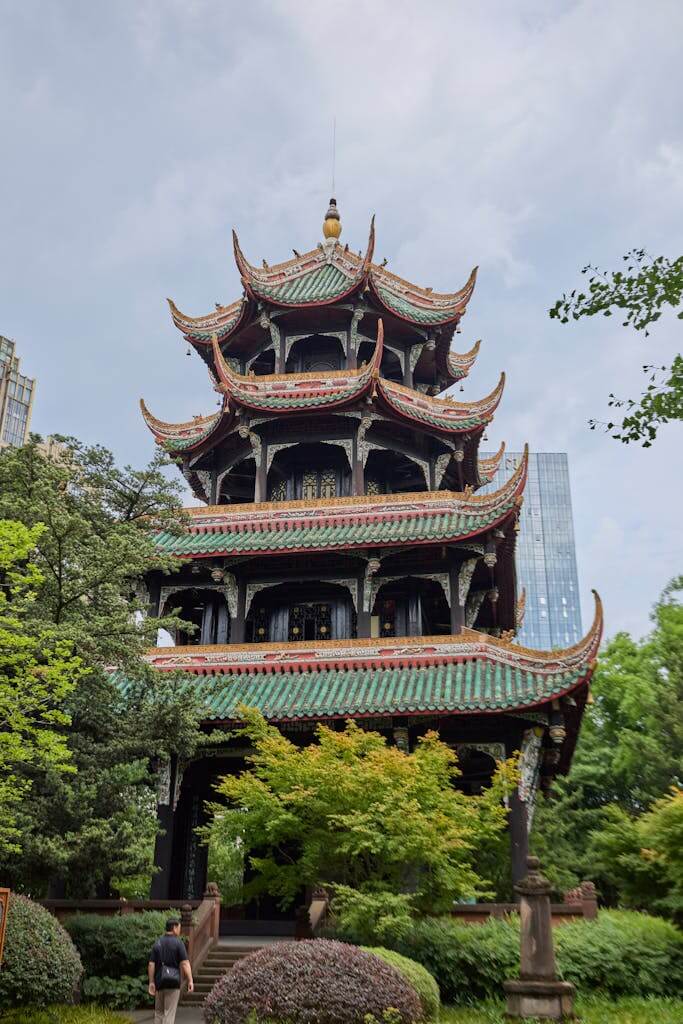
Photo by 开 心 @pexelsphoto
Chengdu has 10,000+ teahouses. This isn’t tourism—it’s structure.
Other teahouses:
- Shunxing Teahouse (顺兴茶馆)—traditional, dim sum, performances
- Yuelai Teahouse (悦来茶馆)—historic opera house, shows nightly
People’s Park (人民公园, Rénmín Gōngyuán):
The city’s most famous park, home to Heming Teahouse (鹤鸣茶馆)—open-air bamboo chairs, gaiwan tea (lidded tea cups), old men playing mahjong, locals reading newspapers, tourists watching, everyone existing without agenda.
You order tea (¥15–30/$2–4, unlimited refills with hot water). You sit. You watch. Hours pass.
Optional add-ons:
- Ear cleaning (掏耳朵, tāo ěrduǒ) ¥30–50 ($4–7)—yes, professionals clean your ears with tiny tools while you sip tea. It’s weirdly relaxing.
- Sichuan opera performances (weekends)—face-changing (变脸, biànliǎn), fire-breathing, acrobatics
This is the Chengdu experience distilled: sitting, drinking tea, maybe getting your ears cleaned, watching life unfold slowly.
No productivity. No guilt. Just being.
CULTURAL SITES: When You Need History
- WUHOU SHRINE (武侯祠)—Memorial to Zhuge Liang: Dedicated to Zhuge Liang (181–234 AD), legendary strategist of the Three Kingdoms period. Beautiful gardens, historic architecture, connected to Jinli Street (tourist shopping/food street).
- Entry: ¥50 ($7).
- JINSHA SITE MUSEUM (金沙遗址博物馆): Archaeological site—3,000-year-old Shu Kingdom ruins, gold artifacts, jade, ancient culture predating imperial China.
- Entry: ¥70 ($10).
- QINGYANG PALACE (青羊宫)—Taoist Temple: Chengdu’s most famous Taoist temple, active worship, incense smoke, beautiful architecture.
- Entry: ¥10 ($1.40).
- DU FU THATCHED COTTAGE (杜甫草堂): Former residence of Du Fu (杜甫), one of China’s greatest poets (Tang Dynasty). Gardens, museum, poetic atmosphere.
- Entry: ¥50 ($7).
Honest assessment: These are nice, but Chengdu’s real draw isn’t historical sites—it’s living culture: food, teahouses, pandas, and the slow life rhythm.
NIGHTLIFE: The City That Doesn’t Sleep Early
- LAN KWAI FONG (兰桂坊, Lán Guìfāng): Chengdu’s expat-heavy nightlife district—bars, clubs, international crowd.
- JIUYANQIAO (九眼桥, Jiǔyǎnqiáo): River district, live music bars, craft beer (Chengdu has a growing craft beer scene), younger crowd, less expat.
- Late-night hot pot: Many hot pot restaurants open until 2–4 AM. Locals eat dinner at 10 PM, hot pot at midnight. It’s a lifestyle.
- Chengdu parties differently than Shanghai—less pretentious, more casual, cheaper drinks (cocktails ¥40–80/$6–11, beer ¥20–40/$3–6).
The quite reasons you’ll find your way back
This dream destination rewards those who slow down. First-timers hit pandas, hot pot, Jinli Street. Second-timers discover neighborhood teahouses, hole-in-wall Sichuan restaurants, parks where locals actually hang out. Third-timers realize Chengdu isn’t a stopover—it’s a lifestyle, and they start researching long-term visas.
Chengdu becomes less a destination and more a philosophy: life is short, hot pot is spicy, pandas are cute, and sitting in a teahouse for four hours drinking ¥20 tea is a better use of time than most things capitalism tells you to do.
Because Chengdu, China is:
- China’s most livable megacity—relaxed pace, good food, affordable, breathable (relatively)
- Sichuan cuisine capital—some of China’s best food, addictively spicy, impossible to replicate elsewhere
- Panda HQ—the only place to see giant pandas in this concentration and quality
- Teahouse culture alive—not performed for tourists, actually how locals live
- Gateway to Sichuan/Tibet—base for Jiuzhaigou, Emei, Leshan, Tibetan plateau trips
- A city that chose pleasure over productivity—and is unapologetic about it
What this place whispers to your heart – the emotional promise
You’ll sit in People’s Park teahouse for three hours, drinking tea, watching old men play mahjong, and realize you haven’t checked your phone once. You’ll eat hot pot at midnight, sweating through your fourth plate of lamb, and feel more alive than you have in months. You’ll watch baby pandas tumble over each other and laugh until you cry.
Chengdu won’t push you to be better. It’ll invite you to be comfortable—to eat until you’re full, sit until you’re bored, watch pandas until you’re satisfied, and trust that a life built on small pleasures is not a wasted life. And in a world that tells you rest is laziness and pleasure is indulgence, that permission—that structural, cultural, 2,300-year-old permission—is radical.
This is the kind of place you bring:
- Your burnout when you need a city that structurally rejects hustle culture
- Your appetite when you’re ready for food that’s actually exciting, not just good
- Your need for cute when pandas doing nothing productive is exactly the content your soul needs
- Your slow mornings when you want to sit in a teahouse until noon and feel zero guilt
- Yourself when you’re tired of cities that demand you optimize every moment
What follows you home – after you leave
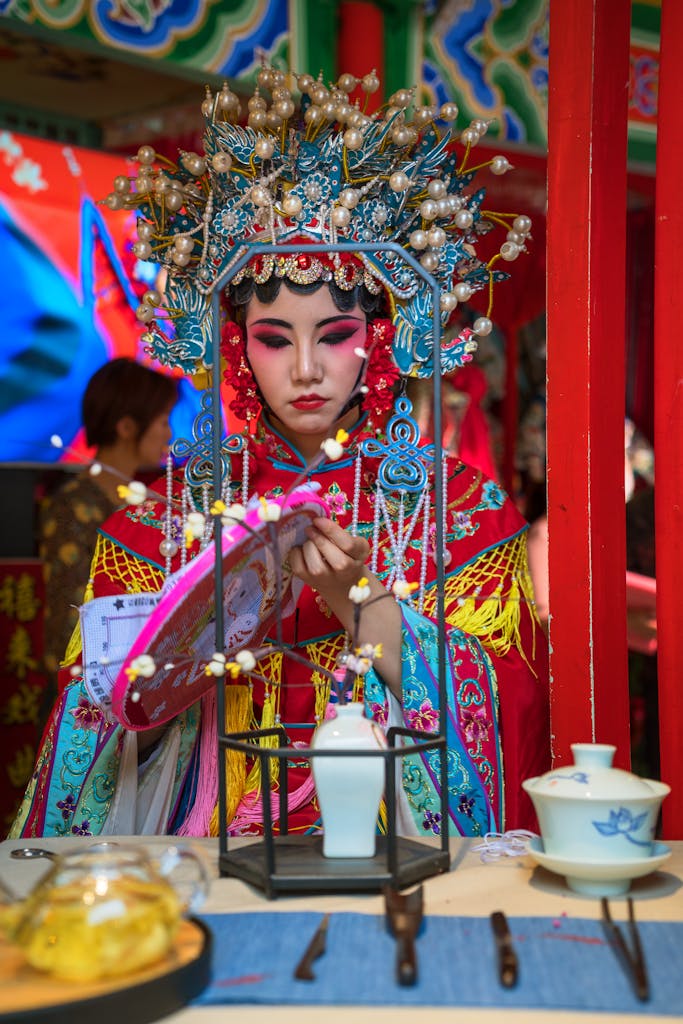
Photo by Vincent Tan @pexelsphoto
Some people leave and immediately plan Sichuan Province trips—Jiuzhaigou, Mount Emei, Leshan, Tibetan areas. Some people leave and realize they needed Chengdu’s slowness to appreciate other cities’ speed again. Some people leave and start researching how to move there permanently because they finally found a megacity that doesn’t exhaust them.
All three are valid.
What matters is this: you found a Chinese city that chose life over growth. And once you’ve lived that—even for three days, even as a tourist—you can’t pretend productivity is the only metric that matters.
Chengdu showed you: sometimes the best thing you can do with a day is eat hot pot, drink tea, and watch pandas be aggressively unproductive. And that’s not laziness. That’s wisdom.
How long you can linger, and what it really cost
⌛Time:
- 2D1N minimum—pandas, hot pot, teahouse, rushed
- 3D2N ideal—pandas, proper food tour, teahouse culture, Jinli/Kuanzhai exploration
- 4D3N to 5D4N—adds day trip to Leshan Giant Buddha or Mount Emei, deeper neighborhood exploration, cooking class 1 week+—base for exploring Sichuan (Jiuzhaigou, Huanglong, Tibetan areas), digital nomad test
💸Budget Range:
- Budget: ¥200–400/day ($28–56)
- Hostel (¥50–100/night, $7–14), street food + cheap restaurants (¥50–100/day, $7–14), metro/bus, Panda Base, free/cheap sites, hot pot splurge
- Comfortable: ¥500–1,000/day ($70–140)
- Mid-range hotel (¥250–500/night, $35–70), mix of street + restaurant food (¥150–250/day, $21–35), taxis/Didi, Panda Base, cultural sites, hot pot + nice dinners, teahouse sessions
- Upscale: ¥1,500+/day ($210+)
- Luxury hotel (¥700–2,000+/night, $98–280+), fine dining + street food, private panda volunteer experience, private driver, spa, craft cocktails, zero budget stress
🧳Chengdu is extremely affordable—street food is cheap, tea costs nothing, hot pot is reasonable even at nice places. Splurge on: panda volunteer program (if booked) and nice hotel.
🐼 If Chengdu feels like the China you needed, your next chapter might be ⤵️
The Dream Map Travel Destinations grows one story at a time.
It’s a collection of lived moments—routes taken on a whim, places that surprised you, detours that turned into stories worth keeping.
Every Dream Map travel destinations exists because someone went first.
If you’ve been there—
reached a place you didn’t expect to love
discovered a route that felt smoother than advertised
stayed longer than planned because the place earned it.
share it below.
Your experience doesn’t have to be perfect. It just has to be real.
What you add helps future travelers imagine better, plan smarter, and arrive with context instead of fantasy.
Dream Map travel destinations grows one story at a time—quietly, collectively, and with intention
This page evolves with shared experiences. Verified patterns are folded back into the map over time.
MappedAtlas improves with commuter reports. If you find outdated routes, changed timetables, or new paths, send a quick update.
Last updated: March 2026