Dream Destination: Phnom Penh, Cambodia — When You’re Ready to Look History in the Face
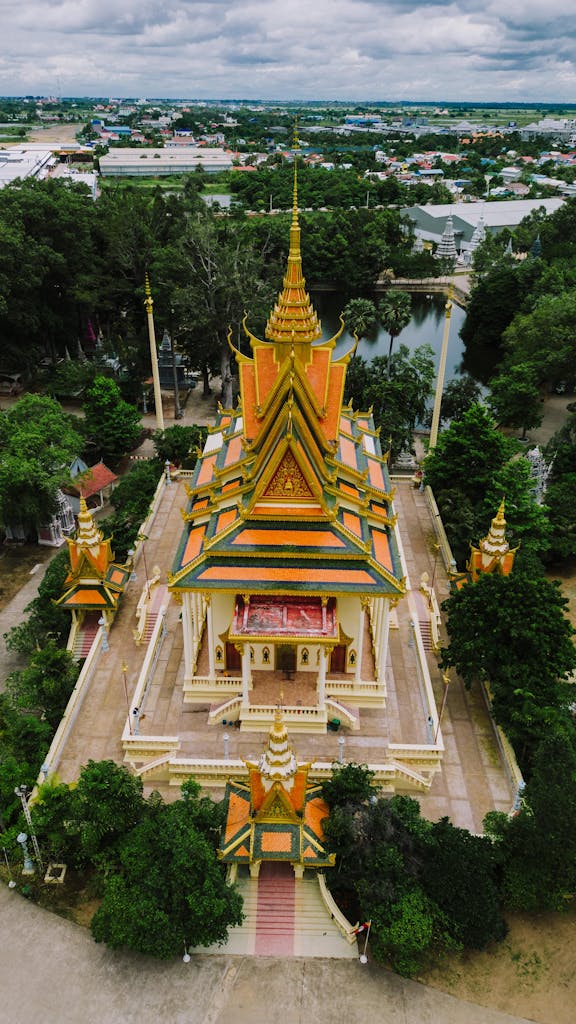
Photo by Kelly @pexelsphoto
Phnom Penh Cambodia tour is not an easy city.
And that’s the entire point.
- This dream destination doesn’t seduce you with beaches or mountains or ancient wonders. It confronts you with something harder: the fact that unspeakable horror happened here less than 50 years ago—and the city survived anyway.
- Phnom Penh is where you go when you’re tired of travel that feels like escape and you need travel that feels like witnessing.
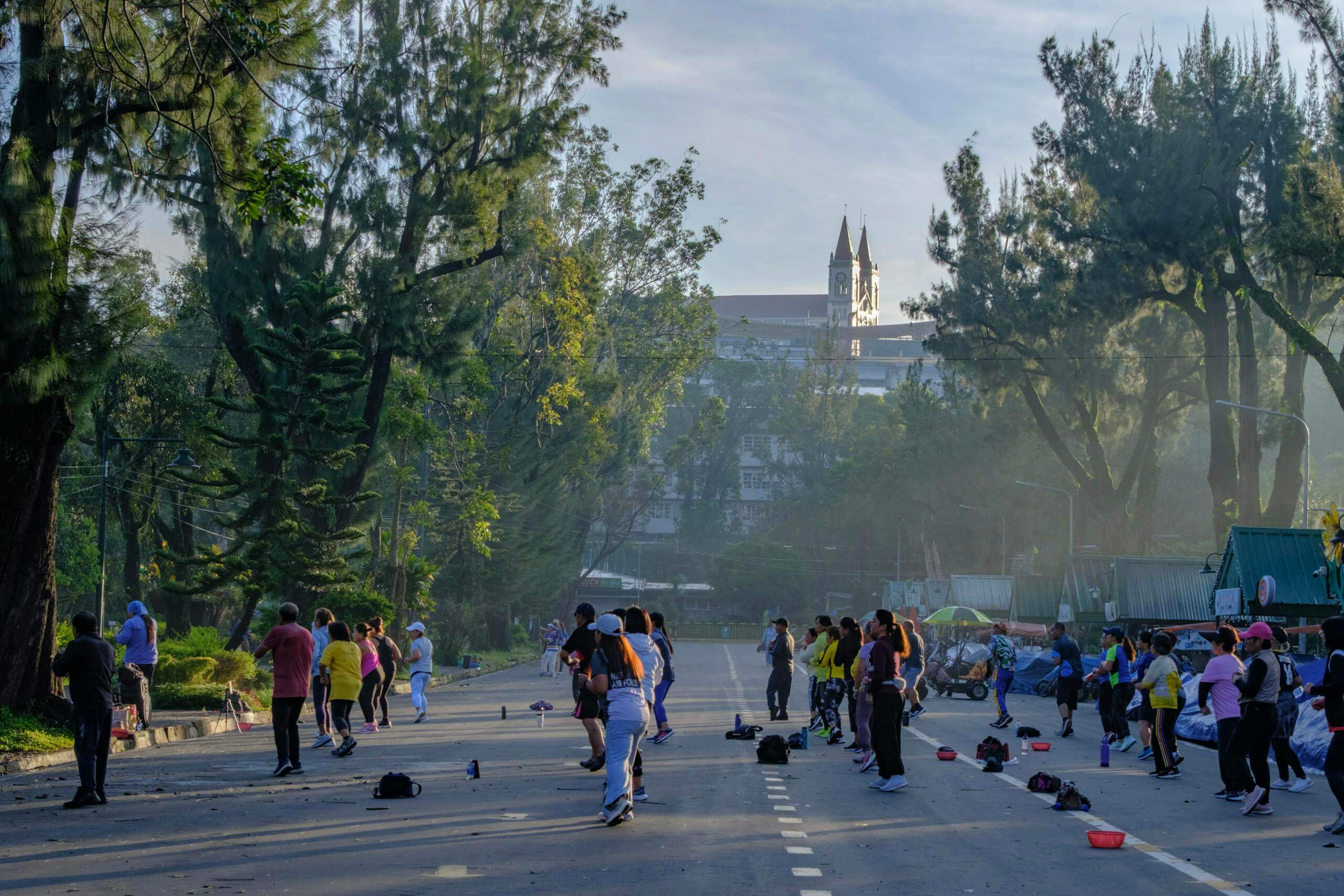
- You arrive, and the first thing you notice is the contradiction: French colonial architecture crumbling beside glass towers. Tuk-tuks weaving through traffic that has no rules. Street food vendors grilling meat next to luxury hotels. A riverside promenade where locals do aerobics at sunset while tourists sip cocktails at $12 a glass.
- This city is chaos and resilience layered on top of grief that hasn’t fully processed yet.
- Between 1975 and 1979, the Khmer Rouge murdered nearly 2 million Cambodians—teachers, doctors, artists, intellectuals, anyone who wore glasses or spoke a foreign language. Phnom Penh was emptied. Forced into the countryside. Turned into a ghost city.
- And then, slowly, it came back.
Phnom Penh, Cambodia isn’t a fun destination. It’s not relaxing. It’s not Instagrammable in the way we’ve been trained to expect.
But if you’re ready to sit with discomfort, to learn what survival looks like when it’s structural and not just personal, to understand that tourism can be an act of witness and not just consumption—then this city will change you.
You don’t come here to feel good. You come here to feel something real.
⚠️Essentials for Tourist: Cambodia | eVisa or VOA | 30 days | eVisa $36 online; extendable | Print approval levisa.gov.kh
For the ones who feel the pull – this Phnom Penh Cambodia tour is your HEALING
If you need easy, skip Phnom Penh. If you need truth, this city will give it to you without softening the edges.
This dream destination was built for:
- Travelers who’ve outgrown “fun” and need depth, even when it’s uncomfortable
- History students who want to understand genocide beyond textbooks
- Anyone who’s been running from their own pain and needs to see what collective grief looks like
- People ready to confront the fact that atrocities happened in living memory—and the survivors are still here
- Journalists, writers, photographers, educators looking for stories that matter
- Humans who understand that bearing witness is a form of respect
When the world finally exhales, what it feels like
Mornings in this dream destination smell like street coffee, motorbike exhaust, and the Tonle Sap River warming in the sun.
You wake up in a guesthouse or budget hotel. Maybe in the Riverside area. Maybe near the Russian Market. The city is already moving—tuk-tuks honking, street vendors setting up, monks in saffron robes walking past cafés serving avocado toast to expats.
You eat breakfast—baguettes (French colonial legacy), num pang sandwiches, iced coffee thick and sweet. You watch the city wake up, and it looks like any other Southeast Asian capital: loud, humid, alive.
But then you go to the sites.
Afternoons in Phnom Penh, Cambodia are when the weight lands:
- Tuol Sleng Genocide Museum (S-21) — a former high school turned torture prison. You walk through classrooms converted into cells. You see the photographs—thousands of faces of people who were tortured and killed here. You read the stories. You stand in the rooms where it happened. You leave shaking.
- Choeung Ek Killing Fields — 17 kilometers outside the city. Mass graves. A stupa filled with 8,000 skulls. Audio guides that tell you exactly what happened here—how people were killed, where they were buried, how the regime tried to erase them. You walk through in silence. There are no words that fit.
You return to the city hollow. You sit in a café and try to process. You can’t. Not yet.
Evenings offer a strange kind of whiplash. The city moves on because it has to. You walk along Sisowath Quay—the riverside promenade—and it’s beautiful. Sunset over the Mekong. Families playing. Street performers. Restaurants lighting up.
You eat dinner—fish amok, lok lak, rice and vegetables—and it tastes good, and you feel guilty for enjoying it, and then you remember: the survivors rebuilt this city by living.
Nights here are quiet or chaotic depending on where you are. The backpacker area has bars. The riverside has night markets. But most travelers who visit the genocide sites just sit in their rooms and stare at walls and try to reconcile what they learned with the fact that the world kept turning.
Phnom Penh doesn’t let you forget. But it also doesn’t let you stay stuck in the horror.
It forces you to hold both: the grief and the resilience, the past and the present, the horror and the survival.
The quite reasons you’ll find your way back
Most people don’t come back to Phnom Penh, Cambodia.
Not because it’s bad. But because once is enough.
Once you’ve walked through S-21. Once you’ve stood at the Killing Fields. Once you’ve heard the stories and seen the skulls and realized that this happened 45 years ago, not 500—you carry it forever.
But some people do come back:
- Aid workers and NGO staff building futures here
- Journalists documenting recovery
- Educators teaching the next generation
- Travelers who realize that witnessing isn’t a one-time act—it’s a responsibility
This dream destination doesn’t offer the pleasure of return. It offers the weight of remembering.
And for some people, that weight becomes purpose.
What this place whispers to your heart – the emotional promise
You’ll stand in front of photographs at S-21 and lock eyes with people who were killed for knowing how to read. You’ll walk through the Killing Fields and realize that genocide isn’t ancient history—it’s your parents’ lifetime. You’ll meet tuk-tuk drivers who survived, who lost family, who rebuilt anyway.
Phnom Penh won’t make you feel good. But it will make you understand something essential: that horror and hope can coexist, that survival is an act of defiance, that remembering is a form of resistance.
This is the kind of place you bring:
- Yourself when you’re ready to stop avoiding hard truths
- Your privilege when you need to understand what it actually costs
- Your grief when you need to see that survival is possible even after the unimaginable
- Your responsibility as a human who shares this planet with people whose stories deserve witness
- Your humility when you realize your problems are real—but they exist in a context larger than you knew
What follows you home – after you leave
You’ll leave Phnom Penh, Cambodia and won’t be able to talk about it for a while.
- People will ask “How was your trip?” and you’ll say “It was intense” and leave it there.
- Because how do you explain that you spent a day walking through the site of a genocide and came back different? How do you tell someone that a city taught you what resilience looks like when it’s forced, not chosen?
- Some people leave and donate to NGOs working in Cambodia. Some people leave and change careers—become human rights workers, educators, journalists. Some people leave and just… sit with it. Let it reshape their understanding of what humans are capable of—both horror and survival.
- All three are valid.
What matters is this: you won’t forget.
And maybe that’s the point. Maybe Phnom Penh exists not to comfort us, but to remind us that forgetting is a luxury—and remembering is a duty.
How long you can linger, and what it really cost
⌛Time:
- 2D1N minimum — but it’s emotionally intense and you’ll feel rushed
- 3D2N is ideal — gives you time to visit the sites, process, and see the city recovering
- 4D3N or more — if you want to explore the Royal Palace, markets, surrounding areas, and let it settle
💸Budget:
- Budget trip: $150–$300 USD per person (all-in)
- Bus from Siem Reap or Bangkok, budget guesthouse ($8–15/night), street food and local restaurants, tuk-tuk to sites, entry fees (S-21: $5, Killing Fields: $6), riverside walks
- Comfortable trip: $400–$650 USD per person
- Flight or private van, boutique hotel ($25–50/night), mix of local and Western food, private tuk-tuk with guide, museum entries, cooking class or art gallery visits, riverside dinner
- Immersive tier: $800–$1,200+ USD
- Direct flight, 4-star hotel, guided historical tours with expert context, meals at social enterprise restaurants supporting survivors, donation to local NGOs, spa day to process, curated cultural experiences
Phnom Penh is affordable. But the emotional cost is high.
🚩If Phnom Penh feels like the confrontation you needed, your next chapter might be ⤵️
The Dream Map Travel Destinations grows one story at a time.
It’s a collection of lived moments—routes taken on a whim, places that surprised you, detours that turned into stories worth keeping.
Every Dream Map travel destinations exists because someone went first.
If you’ve been there—
reached a place you didn’t expect to love
discovered a route that felt smoother than advertised
stayed longer than planned because the place earned it.
share it below.
Your experience doesn’t have to be perfect. It just has to be real.
What you add helps future travelers imagine better, plan smarter, and arrive with context instead of fantasy.
Dream Map travel destinations grows one story at a time—quietly, collectively, and with intention
This page evolves with shared experiences. Verified patterns are folded back into the map over time.
MappedAtlas improves with commuter reports. If you find outdated routes, changed timetables, or new paths, send a quick update.
Last updated: March 2026