Dream Destination: Chiang Mai, Thailand — When You Need Quiet That Still Feels Alive
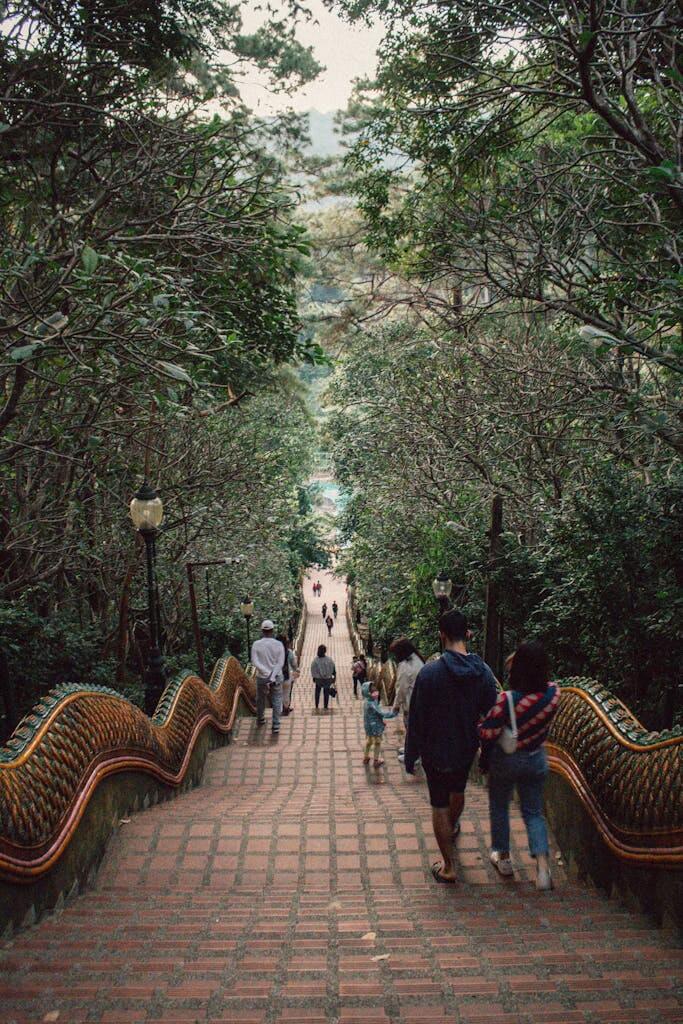
Photo by Maher Meskko @pexelsphoto
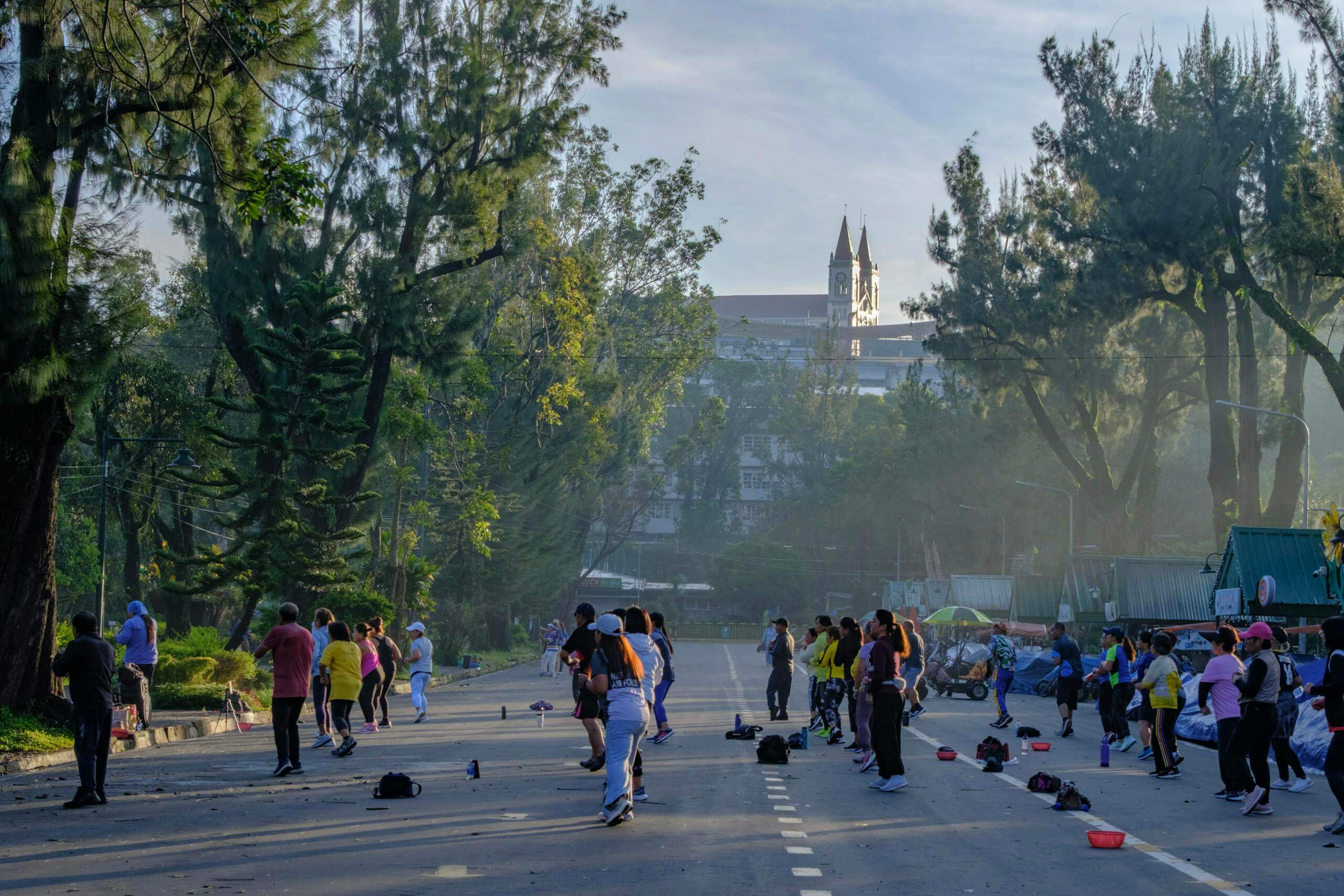
Chiang Mai Thailand tour is what happens when you’ve done the city chaos and realized you need something softer. Not silent. Not empty. Just… gentler.
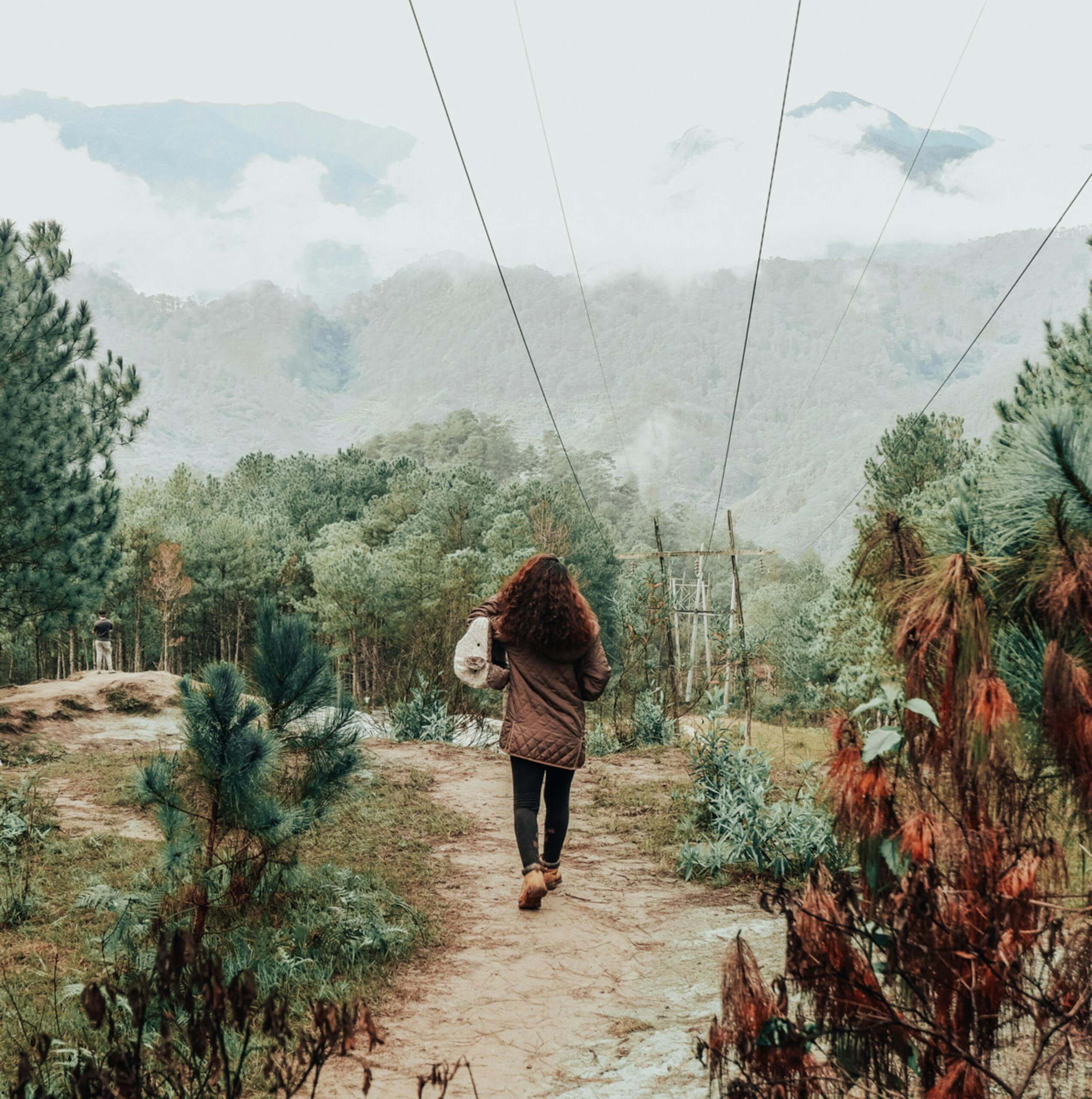
- This dream destination sits in the mountains of northern Thailand like a breath you didn’t know you were holding. It’s small enough to navigate on foot, old enough to have soul, and calm enough that your nervous system finally stops scanning for threats.
- Chiang Mai is where Bangkok travelers go when they’re ready for the next layer—when they realize that travel doesn’t always have to be loud to matter.
- You arrive, and the difference hits immediately: the air is cooler, the pace is slower, the tuk-tuks don’t scream at you. Temples aren’t tourist traps—they’re still places where monks actually live. Coffee shops aren’t performing minimalism—they just exist quietly in wooden shophouses older than your grandparents.
- This dream destination isn’t about checking off landmarks. It’s about mornings that don’t demand a plan. Afternoons that stretch without guilt. Evenings that end early because you’re genuinely tired in a good way, not exhausted in a broken way.
- Chiang Mai, Thailand is where people go to remember what rest looks like when it’s not an emergency response to burnout—but a rhythm you can actually sustain.
Essentials for Tourist: TM30 registration Ask hotel to file; immigration checks. Visa-free 60 days | Hotel provides your: passport number, address, dates | Confirm with hotel; no traveler action. https://www.tourismthailand.org/
For the ones who feel the pull – Chiang Mai Thailand tour is your RESET
If you’ve been saying “I need a break” but every destination feels like work, Chiang Mai is the answer. It’s the place that lets you rest without apologizing for it.
This dream destination was built for:
- Travelers who’ve outgrown the backpacker hostel energy but aren’t ready for luxury resorts
- Digital nomads testing long-term stays before committing
- Solo travelers who want community without performing extroversion
- Couples who need slow mornings and shared silence
- Anyone recovering from something they can’t quite name yet People who realized Bangkok was exciting but Chiang Mai feels like breathing
When the world finally exhales, what it feels like
Mornings in this dream destination smell like jasmine, fresh coffee, and the faint wood smoke from street-side breakfast carts.
You wake up without an alarm. You walk to a café where the barista remembers your order by day three. You sit with your laptop or journal or nothing at all, and no one rushes you. The Wi-Fi is good. The iced latte costs ฿60. You stay for two hours and feel zero guilt.
Afternoons in Chiang Mai, Thailand move at a pace the modern world forgot:
- Temple-hopping through the Old City on a rented bicycle
- Cooking classes where you actually learn instead of just taking photos
- Handicraft villages in San Kamphaeng where artisans weave silk and carve wood without performing for tourists
- Doi Suthep temple on the mountain, where the view makes your problems look smaller
- Markets that sell vegetables and flowers to locals first, tourists second
Evenings are softer here. The Sunday Walking Street fills with handmade crafts and street musicians. You eat khao soi—curry noodles that taste like northern Thailand in a bowl—and it costs ฿50. You walk along the moat as the sky turns pink, and the whole city feels like it’s exhaling with you.
Nights end early because there’s nothing to prove. You sleep deeply. You wake up rested.
Chiang Mai doesn’t demand that you maximize every moment. It rewards you for finally slowing down.
The quite reasons you’ll find your way back
This dream destination doesn’t scream at you. It just quietly makes space until you realize you don’t want to leave. People come for a week. Stay for a month. Return every year.
Because Chiang Mai, Thailand is:
- Affordable enough to stay long — ฿15,000–฿25,000/month gets you a life, not just survival
- Built for slow living — cafés with good Wi-Fi, coworking spaces, quiet neighborhoods, walkable streets
- Culturally intact — temples still function as temples, not museums
- Community without claustrophobia — expats, nomads, locals, and long-term travelers coexist without the usual tourism toxicity
- Gentle on solo travelers — easy to be alone, easy to find people when you need them
- A base camp for northern Thailand — Pai, Chiang Rai, the Golden Triangle, hill tribe villages all radiate from here
What this place whispers to your heart – the emotional promise
You’ll sit in a café watching monks walk past in saffron robes. You’ll climb Doi Suthep and feel your lungs work in clean mountain air. You’ll take a cooking class and realize you’ve been smiling for three hours straight. You’ll get a ฿200 massage and cry a little because someone finally touched the knot in your shoulder you’ve been carrying for months.
Chiang Mai won’t solve everything. But it’ll give you space to remember what you were like before everything got so loud.
This is the kind of place you bring:
- Yourself when you need to figure out what “rest” actually means
- Your partner when you want mornings together that don’t involve to-do lists
- Your creative project when you need space to finish the thing you keep postponing
- Your burnout when you’re too tired to adventure but too restless to stay home
- No agenda when you’re ready to let the days unfold without forcing them
What follows you home – after you leave
- You’ll notice something strange when you get home:
- You start planning the return trip before you’ve even unpacked.
- Not because Chiang Mai, Thailand is perfect. But because it reminded you what sustainable rest feels like. What mornings without dread feel like. What a city built for humans instead of tourists feels like.
- You’ll start researching long-term stays. You’ll join the digital nomad groups. You’ll calculate if your remote job could work from there.
- And even if you don’t move, you’ll carry it with you—the proof that slow living isn’t a luxury. It’s a choice. And it’s more affordable than you thought.
How long you can linger, and what it really cost
- Time:
- 4D3N minimum — enough to stop rushing and start settling
- 5D4N to 7D6N is ideal — lets you explore outer temples, elephant sanctuaries, day trips to Pai or Chiang Rai
- 2 weeks to 1 month — if you’re testing the digital nomad life or genuinely need to reset
- Budget range:
- Budget trip: $350–$600 USD per person (all-in)
- Budget flight, guesthouse or hostel (฿400–฿800/night), street food and local restaurants, rented bicycle, temple entry fees, occasional splurge massage
- Comfortable trip: $700–$1,100 USD per person
- Mid-tier flight, boutique guesthouse or 3-star hotel (฿1,200–฿2,500/night), mix of local eats and nice cafés, cooking class, ethical elephant sanctuary, scooter rental, spa day
- “I’m staying a while” tier: $1,200–$2,000+ USD
- Comfortable apartment or villa, coworking space membership, regular café mornings, weekend trips to Pai or Chiang Rai, private tours, quality dinners, full integration into expat/nomad rhythms
🧳Many people come for a week and extend. The cost of living here makes “a little longer” feel possible.
🎵If Chiang Mai feels like the rhythm you’ve been missing, your next chapter might be:
The Dream Map Travel Destinations grows one story at a time.
It’s a collection of lived moments—routes taken on a whim, places that surprised you, detours that turned into stories worth keeping.
Every Dream Map travel destinations exists because someone went first.
If you’ve been there—
reached a place you didn’t expect to love
discovered a route that felt smoother than advertised
stayed longer than planned because the place earned it.
share it below.
Your experience doesn’t have to be perfect. It just has to be real.
What you add helps future travelers imagine better, plan smarter, and arrive with context instead of fantasy.
Dream Map travel destinations grows one story at a time—quietly, collectively, and with intention
This page evolves with shared experiences. Verified patterns are folded back into the map over time.
MappedAtlas improves with commuter reports. If you find outdated routes, changed timetables, or new paths, send a quick update.
Last updated: March 2026