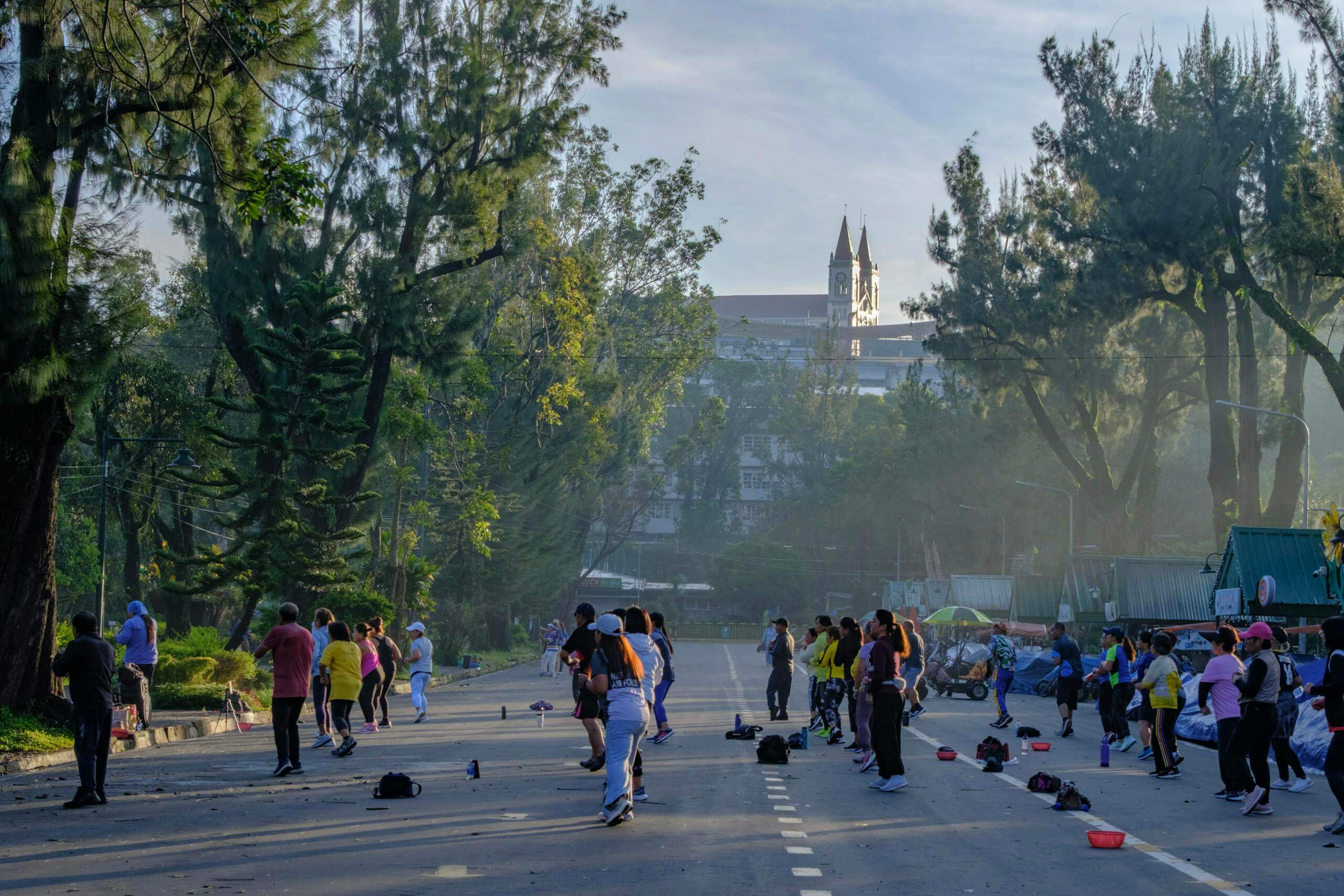
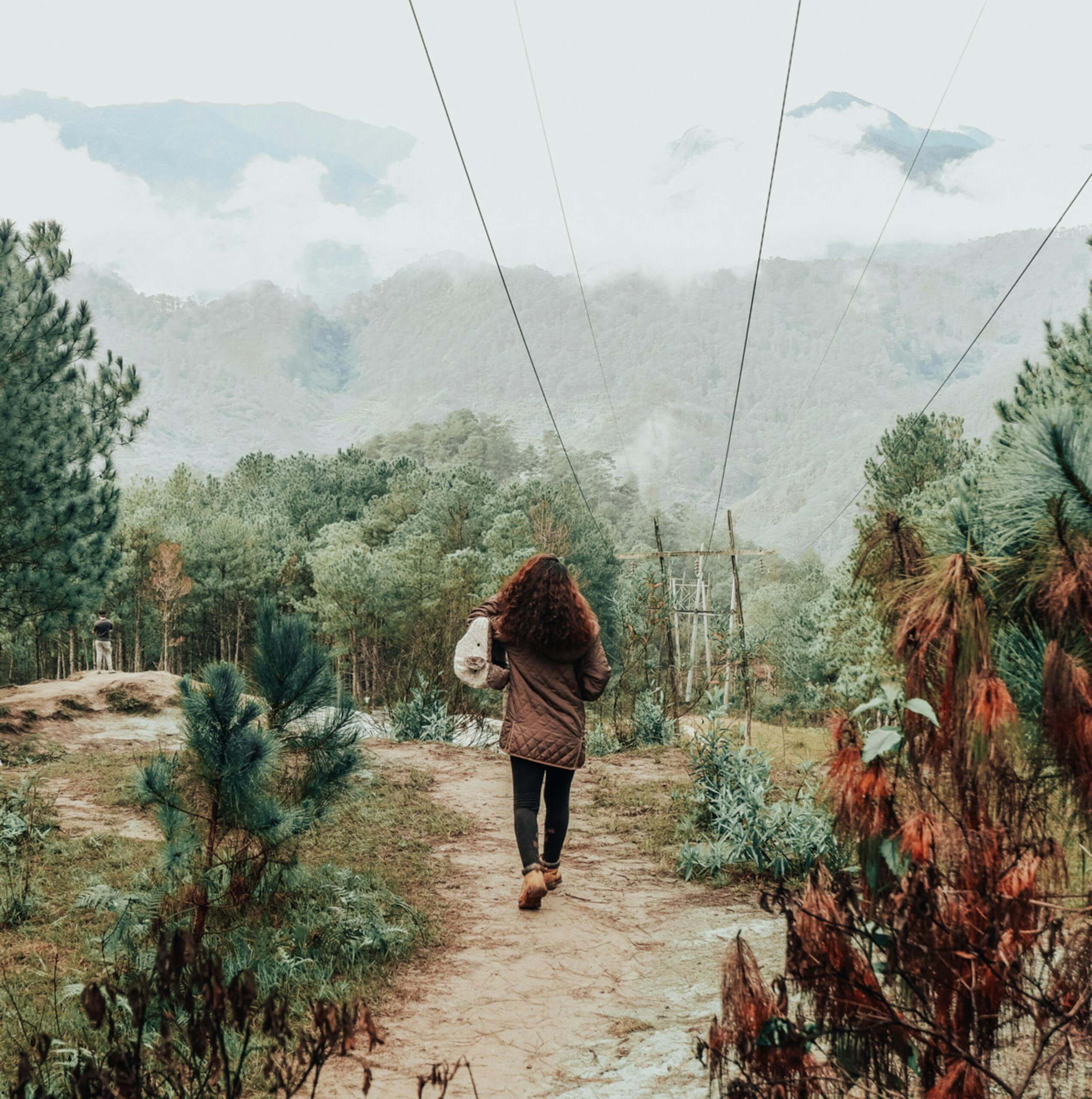
Dream Destination: Jeju Island, South Korea — When You Need an Island That Chose Volcanoes and Wind Over Everything Else
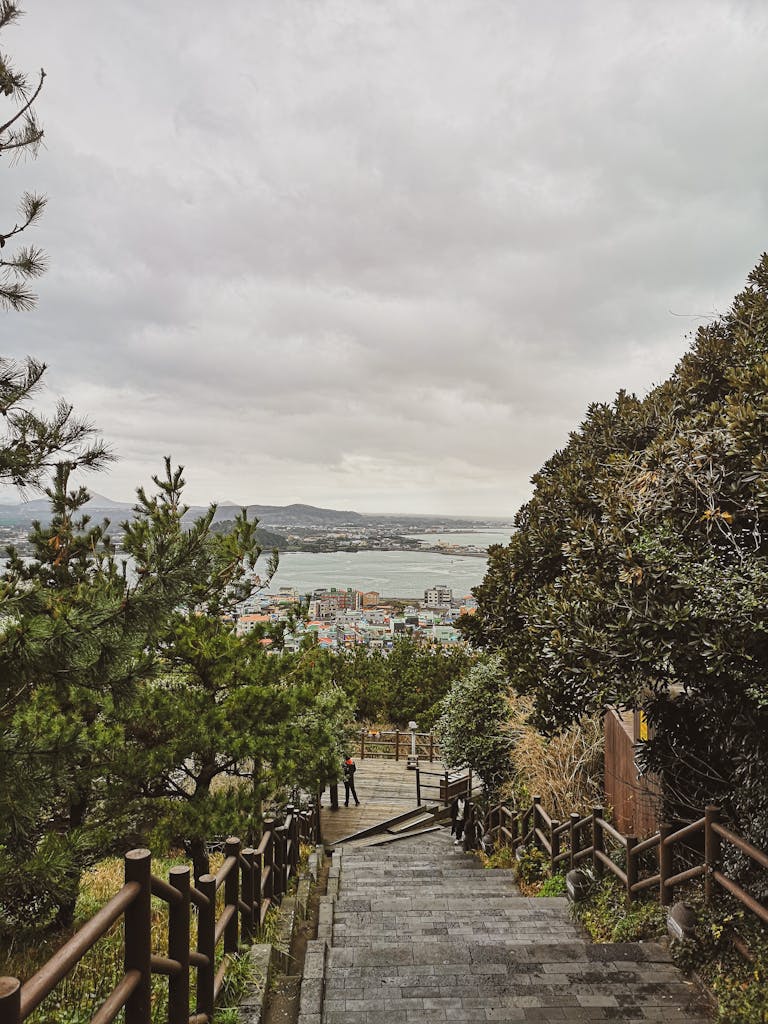
Photo by Sumitomo Tan @pexelsphoto
Jeju Island South Korea tour is not what you expect.
It’s not tropical. It’s not Thailand. It’s not even “typical” Korea.
- This dream destination is a volcanic island 85 kilometers off Korea’s southern coast—1,849 square kilometers of black lava rock, tangerine groves, dramatic coastlines, hallasan (a dormant shield volcano and South Korea’s highest peak at 1,950 meters), and a culture so distinct from mainland Korea that it has its own language, mythology, and matriarchal history.
- Jeju is where Korean honeymooners go. Where Seoul office workers escape for long weekends. Where international travelers realize Korea has an island that rivals any in Asia—not for white sand and palm trees, but for raw volcanic beauty, hiking trails that climb into clouds, lava tube caves you can walk through, and coastal roads that make you want to pull over every five minutes.
- This is Korea’s Hawaii—but with Korean efficiency, Korean food culture, and a landscape shaped by fire instead of coral.
- You arrive by flight from Seoul (1 hour), Busan (50 minutes), or ferry from the mainland. The island spreads below you as you descend—Hallasan rising in the center like a sleeping giant, coastline jagged and dramatic, fields divided into the stone walls that define Jeju’s agricultural past.
- You land and immediately feel it: the air is different. Saltier. Windier (Jeju is famous for three abundances: wind, stones, and women). The pace is slower. The landscapes are bigger.
Jeju Island doesn’t compress into a day trip. It demands at least three days—preferably five—and a car (international license required, or hire a driver).
This is road trip Korea. Coastal drive Korea. Stop-wherever-the-view-demands Korea.
You don’t “do” Jeju in a checklist frenzy. You drive it, slowly, stopping for tangerines, seafood, waterfalls, lava caves, beaches of black volcanic sand, cliffside trails, and moments where the landscape short-circuits language.
⚠️ Essentials for Tourist: As of January 1, 2026, South Korea has replaced paper arrival forms with a mandatory e-Arrival Card. It must be completed at e-arrivalcard.go.kr within 72 hours of your flight.
For the ones who feel the pull – this Jeju Island South Korea tour is your RESET
If you need Southeast Asian tropical beaches, Jeju will disappoint you—it’s temperate, volcanic, wind-swept.
If you need dramatic coastal drives, volcanic landscapes, hiking that ranges from easy seaside walks to summit climbs, and seafood so fresh it’s served still moving—Jeju is the island you didn’t know Korea had.
This dream destination was built for:
- Road trippers ready to drive coastal highways with volcanic peaks as backdrop
- Hikers who want to summit Hallasan or explore coastal trails (Olle Trail network)
- Nature lovers who need forests, waterfalls, lava caves, and coastlines—all volcanic drama
- Honeymooners and couples (Jeju is Korea’s #1 honeymoon destination—expect romance package hotels)
- Photographers chasing black sand beaches, stone walls, tangerine groves, sunrise over Seongsan
- Families (Jeju is Korea’s most family-friendly vacation spot—theme parks, beaches, kid-safe nature)
- Anyone who wants Korea’s version of an island escape—efficient, clean, food-obsessed, beautiful
When the world finally exhales, what it feels like
Jeju Island is a shield volcano. The entire island is lava, cooled and colonized by forests, farms, and villages.
The Geography: Because Jeju Is Shaped by Volcanoes
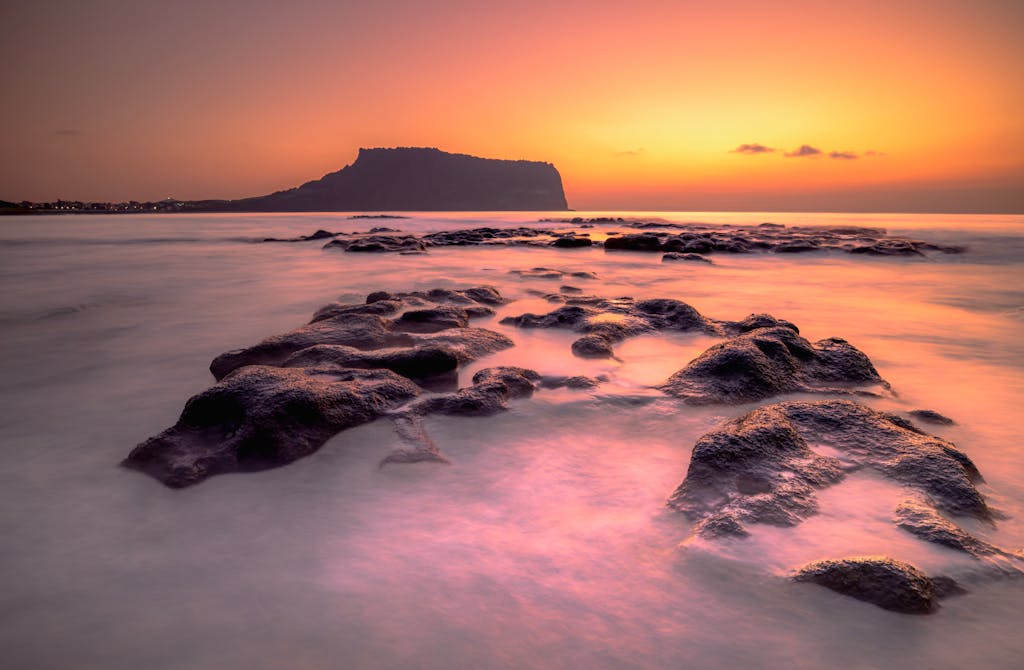
Photo by kyaw thuwai @pexelsphoto
- Hallasan dominates the center—hiking trails lead to the summit crater (5–9 hours round trip, seasonal access). The mountain creates its own weather—clouds, mist, sudden rain.
- The coastline is dramatic: black lava cliffs, sea caves, volcanic rock formations (Jusangjeolli Cliff—hexagonal basalt columns like Korea’s Giant’s Causeway), beaches with black sand mixed with white shells.
- Seongsan Ilchulbong (Sunrise Peak)—a volcanic tuff cone rising from the coast, UNESCO World Heritage site, iconic Jeju image. You climb 182 meters for sunrise views over the crater and ocean.
- Manjanggul Lava Tube—one of the longest lava tubes in the world (13 km total, 1 km open to public). You walk through tunnels formed by molten lava 200,000 years ago. Cool, dark, otherworldly.
Jeju isn’t just on a volcano. It is a volcano.
Driving the Island–How You Actually Experience Jeju
Most visitors rent a car and drive the coastal roads—Highway 1132 circles the island (184 km), taking 3–4 hours non-stop, but you’ll stop constantly.
Eastern Jeju: Sunrise, Volcanic Drama, Coastal Power
- Seongsan Ilchulbong—wake at 4:30 AM, climb in the dark, summit for sunrise. The crater glows gold. The ocean stretches infinite. Crowds of Koreans photograph it obsessively. You understand why.
- Seongeup Folk Village—traditional thatched-roof houses (300+ years old), stone walls, tangerine groves, living museum vibe. Touristy but genuine.
- Haenyeo divers—Jeju’s famous female free divers (ages 50–80+), harvesting seafood without equipment. You can watch them surface, selling fresh sea urchin, abalone, conch. Matriarchal culture, UNESCO Intangible Cultural Heritage.
- Hamdeok Beach—white sand, turquoise water (rare for Jeju), popular with families, Instagram-famous stone formation in the shallows.
Southern Jeju: Waterfalls, Black Sand, Lava Cliffs
- Cheonjiyeon Waterfall—cascades into a pool surrounded by subtropical plants. Walk at night when it’s lit up.
- Jusangjeolli Cliff—hexagonal basalt columns formed by lava cooling rapidly in seawater. Waves crash dramatically. You stand on viewing platforms and feel small.
- Soesokkak Estuary—freshwater and seawater meet, kayaking through volcanic rock formations, emerald water, hidden gem.
Western Jeju: Sunset, Beaches, Quiet Villages
- Hyeopjae Beach / Geumneung Beach—white sand, clear water, Biyangdo Island visible offshore. Less crowded than eastern beaches.
- O’sulloc Tea Museum—green tea plantation, free museum, café overlooking fields. You drink green tea latte and buy overpriced tea gifts. Worth it.
- Sanbangsan—coastal mountain with a cave temple (Sanbanggulsa). Climb for ocean views and Buddhist quiet.
Northern Jeju: Jeju City, Urban Energy, Convenience
- Jeju City—island’s capital, where you fly in/out. Markets, restaurants, nightlife (by Jeju standards), practical base.
- Yongduam Rock (Dragon Head Rock)—lava formation shaped like a dragon, five-minute stop, photo op.
Central Jeju: Hallasan, Forests, Elevation
- Hallasan National Park—summit hike (Seongpanak or Gwaneumsa trails), 9–10 hours round trip, stunning but demanding. Shorter trails (Eorimok, Yeongsil) if you want forest without summit.
- Eco Land Theme Park—vintage train ride through forests and gardens, family-friendly, cheesy but charming.
- Jeju Stone Park—volcanic rock formations, mythology museum, spiritual/cultural deep dive.
Seasonal Jeju: The Island Transforms
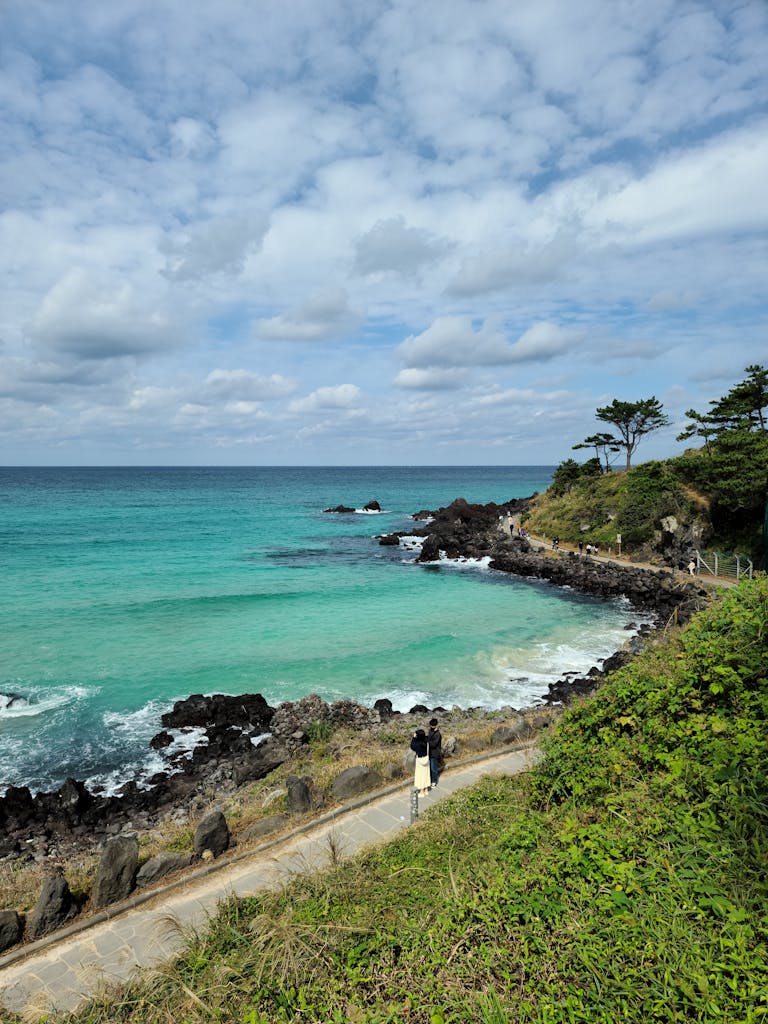
Photo by Dennis Park @pexelsphoto
- Spring (March–May)
- Canola fields bloom yellow. Cherry blossoms. Mild weather. Olle Trail hiking season begins.
- Summer (June–August):
- Peak season. Beaches crowded (by Jeju standards). Humid. Typhoon risk. Prices spike.
- Autumn (September–November):
- Best hiking weather. Hallasan foliage. Silver grass (eulalia) waves across hills. Perfect coastal drives.
- Winter (December–February):
- Quiet. Cold but rarely freezing. Hallasan summit can have snow (ice climbing gear required). Fewer tourists. Tangerine harvest season.
The quite reasons you’ll find your way back
This dream destination rewards slow travel.
First-timers rush the highlights—Seongsan, Hallasan, beaches, lava tubes. Second-timers discover Olle Trail sections, quiet villages, western coast sunsets. Third-timers have favorite black pork restaurants, know which tangerine farms let you pick your own, understand that Jeju isn’t about checking boxes—it’s about driving until the view stops you.
Because Jeju Island, South Korea is:
- Korea’s only true island escape—different culture, landscape, pace
- Volcanic drama—lava caves, black cliffs, crater hikes, landscapes that don’t exist elsewhere in Korea
- Road trip paradise—coastal highways, stop-anywhere-beautiful flexibility
- Four-season destination—each season transforms the island
- Efficient nature—well-marked trails (Olle Trail network has 26+ routes), clean facilities, safety, Korean infrastructure in wild landscapes
- Culturally layered—haenyeo divers, tangerine farms, shamanic sites, matriarchal history
Jeju becomes a reset button Koreans press annually—and once foreigners discover it, they understand why.
What this place whispers to your heart – the emotional promise
You’ll summit Seongsan at sunrise and watch the world turn gold. You’ll drive the coastal road and pull over seventeen times because the cliffs demand it. You’ll eat haemul jjim (spicy seafood stew) so fresh the octopus was alive an hour ago. You’ll walk through Manjanggul Lava Tube and feel geological time.
Jeju won’t solve your life.
But it’ll show you what an island looks like when it’s shaped by fire, wind, and women who refused to wait for men to provide—they dove into the ocean themselves and built a culture around it.
And that resilience, that volcanic stubbornness—it rubs off.
This is the kind of place you bring:
- Your partner when you need landscapes that do the romance work for you
- Your family when you need Korean efficiency with nature immersion
- Your hiking boots when you want summit climbs and coastal trails in one trip
- Your driver’s license when you’re ready for road trip Korea
- Yourself when you need wind, waves, and volcanic stone to remind you that some forces are bigger than your problems
What follows you home – after you leave
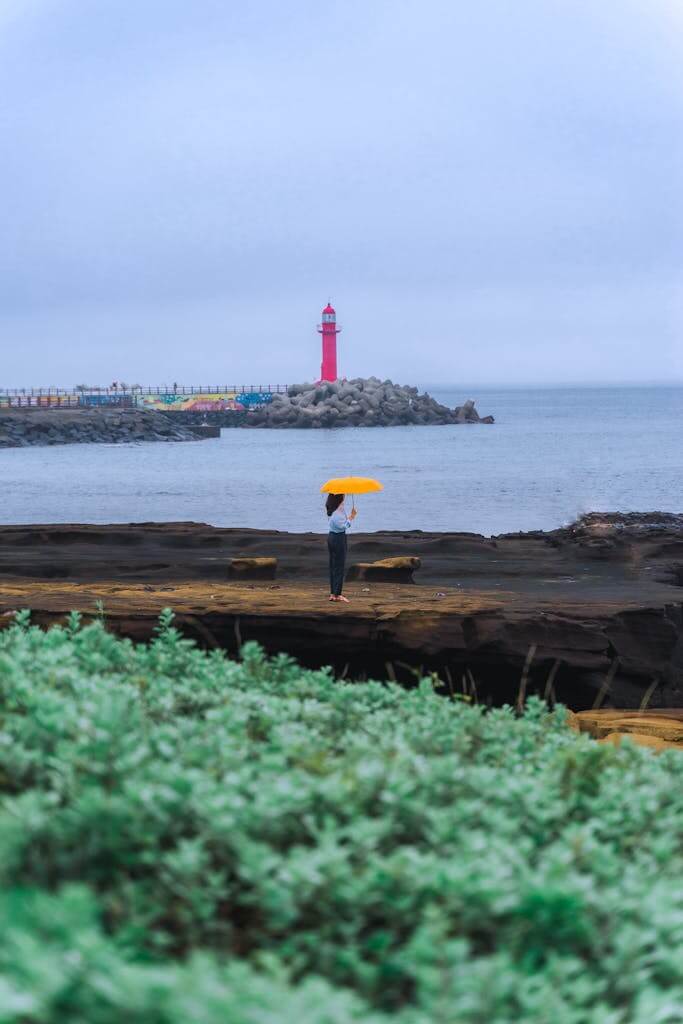
Photo by Clive Kim @pexelsphoto
- You’ll fly back to Seoul or Busan, and the cities will feel louder than you remember.
- Not worse. Just… contained.
- You’ll remember: what Hallasan looked like at summit. What black sand felt like under bare feet. What tangerines taste like when you pick them yourself on a farm that’s been family-owned for four generations.
- Some people leave Jeju and immediately start planning the return trip—different season, different coast, deeper trails. Some people leave and realize they needed the volcanic landscapes to appreciate urban Korea again. Some people leave and start researching other volcanic islands—Iceland, Azores, Hawaii—because now they understand what geological drama feels like.
All three are valid.
What matters is this: Jeju showed you that Korea has edges. Literal edges—coastlines, cliffs, craters. Cultural edges—matriarchal history, distinct language, island identity.
And once you’ve driven those edges, once you’ve stood at the rim of Seongsan watching sunrise, once you’ve walked through lava tubes formed before your country existed—you realize: Korea isn’t just Seoul and temples. Korea is this—fire-formed, wind-tested, ocean-surrounded. And that version changes everything.
How long you can linger, and what it really cost
⌛Time:
- 2D1N minimum—one coastal loop, Seongsan sunrise, major highlights, exhausting
- 3D2N ideal—eastern and southern coasts, Hallasan day hike or multiple shorter hikes, proper meals
- 4D3N to 5D4N—full island loop, Olle Trail sections, beach days, relaxed pace
- 7D6N—deep exploration, multiple hikes, all coasts, island rhythm
💸Budget Range:
- Budget trip: $400–$750 USD per person (3 days)
- Budget flight from Seoul/Busan, hostel or guesthouse (₩35,000–60,000/$26–45/night), bus travel (limited routes, time-consuming), convenience store meals, free beaches/trails, packed lunches, hiking focus
- Comfortable trip (with car): $800–$1,400 USD per person
- Flight, mid-range hotel (₩80,000–140,000/$60–105/night), car rental (₩50,000–80,000/$38–60/day, gas ₩20,000+/day), restaurants and seafood, entrance fees, casual spending, flexibility
- Honeymoon/luxury tier: $1,800–$3,500+ USD per person
- Direct flight, beachfront resort or boutique pension (₩200,000–500,000/$150–375/night), private driver, fine dining and black pork BBQ, spa treatments, themed cafés, helicopter tour, zero budget stress
🧳Jeju is more expensive than mainland Korea—island logistics, tourism economy, car rental necessary unless you book tours. Car rental is almost mandatory for proper Jeju exploration. Public buses exist but routes are limited and slow.
🏝️If Jeju Island feels like the volcanic beauty you’ve been craving, your next chapter might be ⤵️
The Dream Map Travel Destinations grows one story at a time.
It’s a collection of lived moments—routes taken on a whim, places that surprised you, detours that turned into stories worth keeping.
Every Dream Map travel destinations exists because someone went first.
If you’ve been there—
reached a place you didn’t expect to love
discovered a route that felt smoother than advertised
stayed longer than planned because the place earned it.
share it below.
Your experience doesn’t have to be perfect. It just has to be real.
What you add helps future travelers imagine better, plan smarter, and arrive with context instead of fantasy.
Dream Map travel destinations grows one story at a time—quietly, collectively, and with intention
This page evolves with shared experiences. Verified patterns are folded back into the map over time.
MappedAtlas improves with commuter reports. If you find outdated routes, changed timetables, or new paths, send a quick update.
Last updated: March 2026