Dream Destination: Kumano Kodo, Japan — When You Need to Walk Yourself Back to Something You Lost
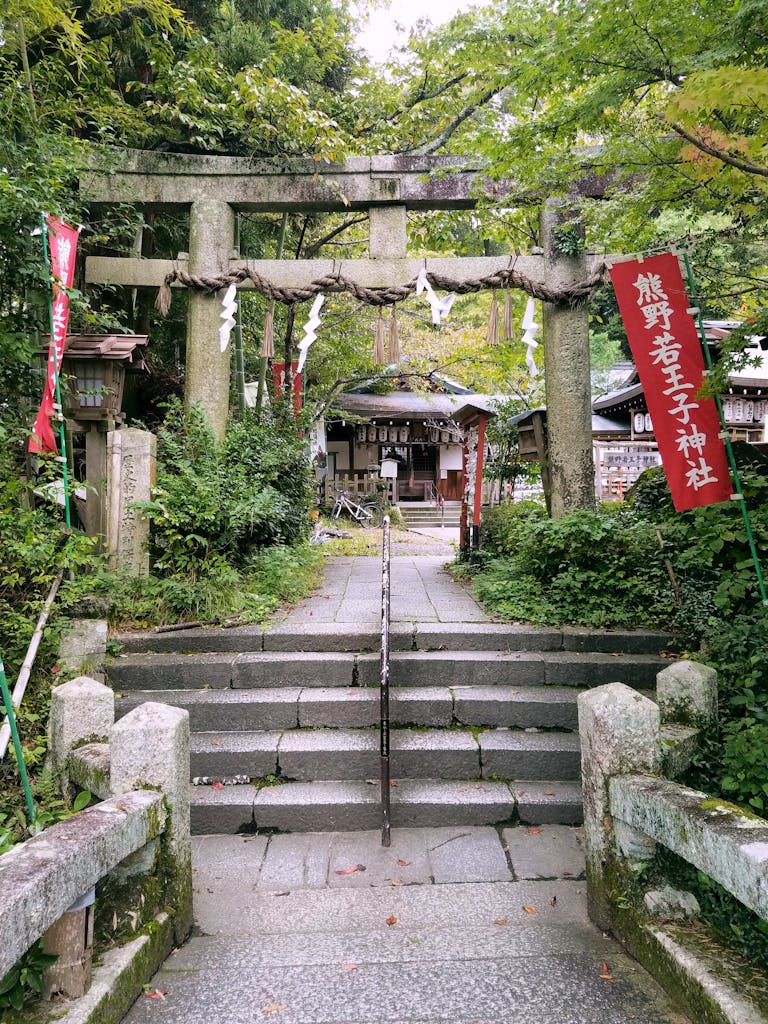
Photo by Ian Ramírez @pexelsphoto
Kumano Kodo Japan tour is not a hike. It’s a pilgrimage.
And the difference matters.
- This dream destination is a network of ancient trails threading through the Kii Peninsula—dense forests, mountain passes, hidden shrines, villages that time moved around instead of through. For over 1,000 years, emperors, monks, samurai, and commoners have walked these paths seeking purification, healing, enlightenment, or just answers they couldn’t find anywhere else.
- The trails lead to Kumano Sanzan—the Three Grand Shrines of Kumano—Hongu Taisha, Nachi Taisha, and Hayatama Taisha. These aren’t tourist sites. They’re power centers of Shinto-Buddhist syncretism, places where the divine is understood to dwell in mountains, waterfalls, and ancient trees.
- Kumano Kodo was named a UNESCO World Heritage site in 2004—one of only two pilgrimage routes in the world with this designation (the other is Spain’s Camino de Santiago). But unlike the Camino’s open plains and social energy, Kumano is intimate. Forested. Quiet. Solitary even when you’re not alone.
- You don’t come here to check a box. You come here because something inside you needs to walk until it settles.
- The most popular route—Nakahechi (Imperial Route)—takes 3–5 days from Takijiri-oji to Kumano Hongu Taisha. You walk through cedar forests so old they predate your country. You pass oji—small wayside shrines that mark the path. You sleep in minshuku (family guesthouses) where dinner is kaiseki, and the owner remembers your name by breakfast.
- Each morning, you wake up and walk. Not because there’s a summit to reach or a time to beat. But because the walking itself is the point.
Kumano Kodo doesn’t ask you to achieve anything. It asks you to move through landscape, through history, through yourself—until something you didn’t know was stuck finally loosens.
⚠️ Essentials for Tourist: Visa-free | 90 days | Strict; no extensions | Biometrics on arrival l IC card at station. For the most official and up-to-date document forms, you should download them from the Ministry of Foreign Affairs of Japan websites.
For the ones who feel the pull – this Kumano Kodo Japan tour is your HEALING
If you need fast, Kumano Kodo will frustrate you.
If you need to walk yourself back to clarity, this is the path that’s been holding space for people like you for over a millennium.
This dream destination was built for:
- Walkers who understand that pilgrimage is different from tourism—slower, quieter, more internal
- Spiritual seekers who don’t need organized religion but do need ritual
- Solo travelers ready to spend days alone with their thoughts and find that healing instead of lonely
- People recovering from something they can’t name yet—burnout, heartbreak, grief, loss of direction
- Travelers who’ve done the temples and cities and need Japan’s contemplative side
- Anyone who realizes that sometimes the best way forward is to walk until the path shows you
When the world finally exhales, what it feels like
The Nakahechi Route (Imperial Route, 3–5 Days
Day 1: Takijiri-oji to Takahara
- You arrive at Takijiri-oji—the official starting point of the pilgrimage. There’s a shrine, a ceremonial gate, a moment where you pause and realize: you’re beginning something.
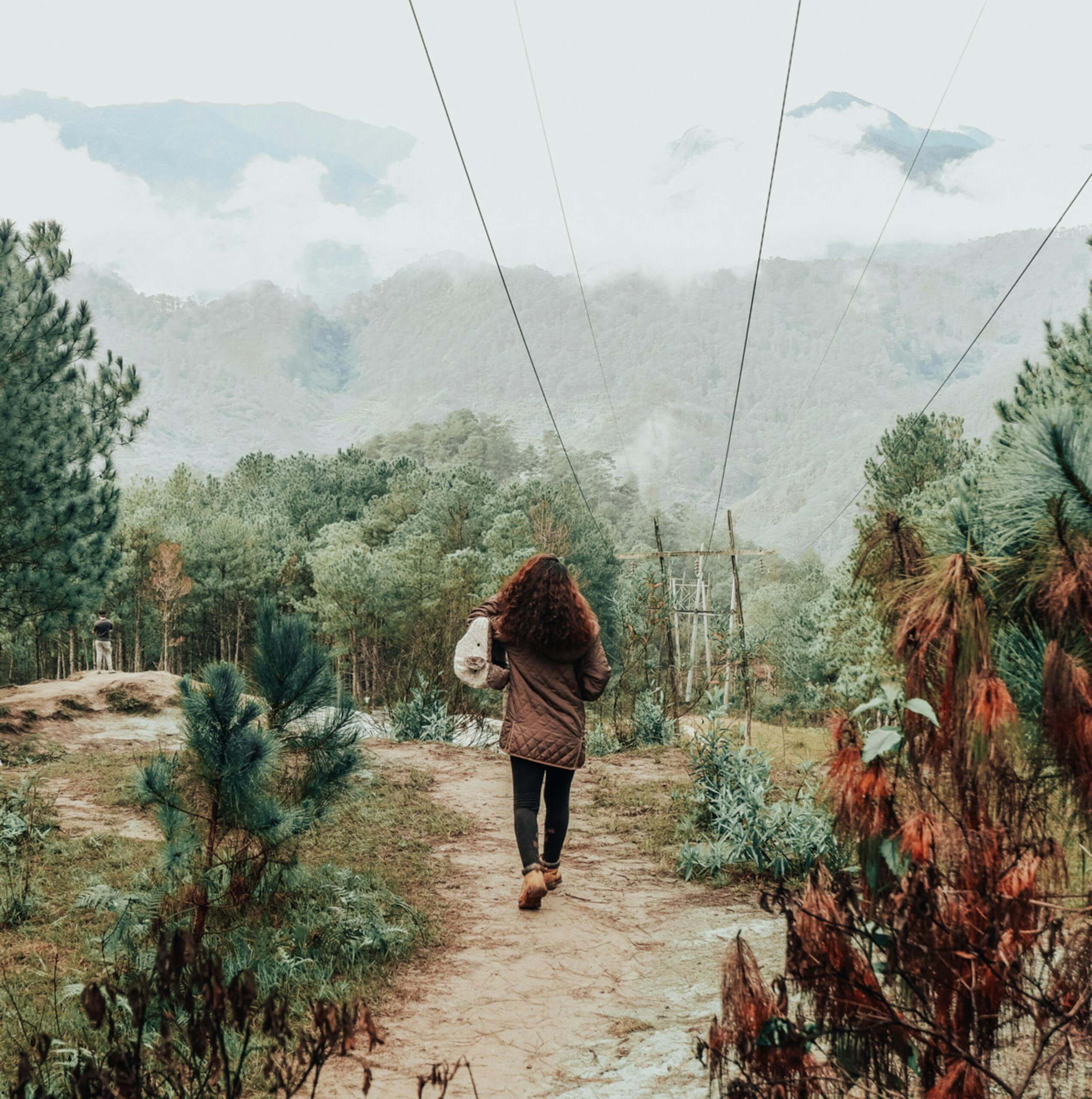
- The trail climbs immediately. Stone steps, steep, relentless. You’re in cryptomeria (Japanese cedar) forest within minutes—massive trees, dappled light, the smell of damp earth and resin.
- You climb for two hours. Your legs burn. You stop frequently, not from weakness but from the realization that rushing defeats the purpose.
- You reach Takahara—a tiny mountain village at 300 meters. Population: less than 100. You check into a minshuku, where the owner greets you like family. You bathe in a wooden tub. You eat dinner—rice, miso, grilled fish, mountain vegetables, tofu—while looking out over terraced fields and forested ridges stretching to the horizon.
- You sleep deeply.
Day 2: Takahara to Chikatsuyu
- You wake at dawn. Breakfast is simple. You walk.
- The trail undulates—climbing ridges, descending into valleys, crossing streams on moss-covered stones. You pass oji shrines every few kilometers—small, weathered, still cared for. You light incense. You bow. You move on.
- You meet other pilgrims—mostly Japanese, some Europeans, a few solo walkers like you. You exchange nods, maybe a few words, but mostly you walk in parallel silence.
- The forest is dense. Bird calls. Insects. The rhythmic sound of your boots on stone.
- You arrive at Chikatsuyu exhausted but calm. Another minshuku. Another hot bath. Another quiet dinner.
- You’re starting to feel it now—the way the walking empties you out, the way the repetition becomes meditation.
Day 3: Chikatsuyu to Hongu (via Tsugizakura-oji)
- This is the longest, hardest day. You climb to Tsugizakura-oji (a shrine with a 400-year-old cherry tree), then over mountain passes where the forest opens occasionally to show you just how deep into the mountains you’ve come.
- You pass Kobiro-toge Pass—one of the most beautiful sections—stone-paved paths winding through ancient cedar groves.
- You descend toward Kumano Hongu Taisha—the first of the Three Grand Shrines.
- And when you arrive, when you walk under the towering torii gate and into the shrine grounds, something shifts.
You’ve walked for three days to get here. Your body is tired. Your mind is quiet. And the shrine—simple, powerful, ancient—feels like it’s been waiting for you specifically. You don’t need to believe in Shinto or Buddhism or anything to feel it. The place just holds something.
You light incense. You bow. You sit. And for the first time in months—maybe years—you’re not running toward or away from anything.
You’re just here.
Nachi Falls and Nachi Taisha
- Many pilgrims extend the walk to Nachi—home to Nachi-no-Taki, Japan’s tallest waterfall (133 meters), and Nachi Taisha, a shrine built into the hillside overlooking the falls.
- You arrive and see the pagoda framing the waterfall—red against white water against green forest—and it’s the image you’ve seen in photos, but standing in front of it, hearing the roar, feeling the mist—it’s different.
- The waterfall is worshipped as a kami (deity). You stand before it and understand why.
- Some things are sacred not because we decided—but because they simply are.
The quite reasons you’ll find your way back
This dream destination doesn’t promise transformation. It just offers the conditions where transformation can happen—if you’re ready.
Kumano becomes a verb. “I need to Kumano” = “I need to walk until I’m clear again.”
Because Kumano Kodo, Japan is:
- Cheap enough to extend indefinitely — digital nomads stay for months on $1,500–2,500/month all-in
- Diverse enough to never get boring — beaches, mountains, rice terraces, temples, cities, villages
- Spiritually layered — daily offerings, full moon ceremonies, energy that even skeptics feel
- Well-connected — international flights, good Wi-Fi, every comfort food you’re craving
- Beautiful in ways that transcend the clichés — yes, it’s Instagrammed to death, but the sunsets still hit, the rice terraces still silence you, the temples still hold weight
People return to Kumano Kodo because
- They walked it once and realized they weren’t finished processing
- They need the kind of reset that only comes from multi-day walking
- They’re in a new life chapter and need to mark it with pilgrimage
- They remember what it felt like to walk without agenda and need that again
What this place whispers to your heart – the emotional promise
You’ll walk through forests so quiet you hear your own breath. You’ll pass shrines older than most nations and feel time differently. You’ll arrive at Hongu after three days of walking and stand before the shrine and realize: you’re different than when you started.
Not fixed. Not enlightened. Just… clearer.
Kumano Kodo won’t solve your problems.
But it will give you the space to meet them without distraction, to carry them through forest and over mountains, to lay them down at shrines that have been receiving burdens for a thousand years.
And sometimes that’s enough to shift everything.
This is the kind of place you bring:
- Your confusion when you don’t know what’s next and need to walk until it reveals itself
- Your grief when you need movement that holds space for sorrow
- Your burnout when rest isn’t enough and you need ritual
- Your questions when you’ve been thinking in circles and need to think in lines—one foot, one step, one day
- Yourself when you’re ready to be alone with your thoughts for long enough that they stop being noise and start being clarity
What follows you home – after you leave
You’ll leave Kumano Kodo, Japan with legs that ache and a mind that’s quiet.
Not empty. Not solved. Just… settled.
- You’ll return to cities—Tokyo, Osaka, Kyoto—and the noise will hit differently. You’ll notice how fast everyone’s moving. You’ll remember what it felt like to walk for six hours and cover twelve kilometers and feel like you accomplished something profound.
- Some people leave and immediately research the next pilgrimage—Camino de Santiago, Shikoku 88 Temple, Annapurna Circuit. Some people leave and carry Kumano as a reference point for what “reset” actually means. Some people leave and return years later when life gets noisy again.
- All three are valid
What matters is this: you walked.
Not to get somewhere faster. Not to optimize. Not to post. Just to move through landscape and time until something inside you remembered how to be still.
How long you can linger, and what it really cost
⌛Time:
- Nakahechi Route:
- 3D2N minimum — Takijiri to Hongu, moderate pace
- 4D3N ideal — adds rest time, side shrines, proper absorption
- 5D4N+ extended — includes Nachi Falls, additional routes, deeper villages
- Other routes:
- Kohechi — 3–4 days, harder, more remote, connects
- Mount Koya to Kumano HonguOhechi — coastal route, easier terrain, ocean views
- Iseji — longest route, 6–7 days, fewer services
💸Budget Range:
- Budget pilgrimage: $400–$700 USD per person (4D3N)
- Train to Kii-Tanabe, local bus to trailheads (¥1,500–3,000), budget minshuku (¥7,000–9,000/$47–60/night with meals), packed lunches, public transport, temple donations
- Comfortable pilgrimage: $800–$1,300 USD per person
- Better minshuku or small ryokan (¥10,000–15,000/$67–100/night with meals), luggage transfer service between stops (¥1,000–2,000 per bag), private transport when needed, guided options
- Supported pilgrimage: $1,500–$2,500+ USD
- Pre-arranged minshuku reservations, full luggage forwarding, English-speaking guides, meals upgraded, flexibility for weather or fatigue, cultural experiences added
🧳Kumano Kodo is affordable for a multi-day experience in Japan—the cost reflects rural hospitality, traditional lodging, and the fact that you’re supporting small mountain communities.
🛖If Kumano Kodo feels like the pilgrimage you needed, your next chapter might be ⤵️
The Dream Map Travel Destinations grows one story at a time.
It’s a collection of lived moments—routes taken on a whim, places that surprised you, detours that turned into stories worth keeping.
Every Dream Map travel destinations exists because someone went first.
If you’ve been there—
reached a place you didn’t expect to love
discovered a route that felt smoother than advertised
stayed longer than planned because the place earned it.
share it below.
Your experience doesn’t have to be perfect. It just has to be real.
What you add helps future travelers imagine better, plan smarter, and arrive with context instead of fantasy.
Dream Map travel destinations grows one story at a time—quietly, collectively, and with intention
This page evolves with shared experiences. Verified patterns are folded back into the map over time.
MappedAtlas improves with commuter reports. If you find outdated routes, changed timetables, or new paths, send a quick update.
Last updated: March 2026