Bangkok 4D3N Transit Itinerary — Airport to City, Temples, River & Markets
- Who this is for: First-time independent travelers arriving at Suvarnabhumi Airport (BKK), using public transit throughout. No private car. No guesswork.
- What this solves: A complete movement plan — arrival to departure — that sequences the city logically so you don’t double back, waste transit time, or arrive at a site after it closes.
This itinerary avoids those mistakes by keeping the trip corridor-based and easy to follow.
Your Base: Sukhumvit (Recommended)
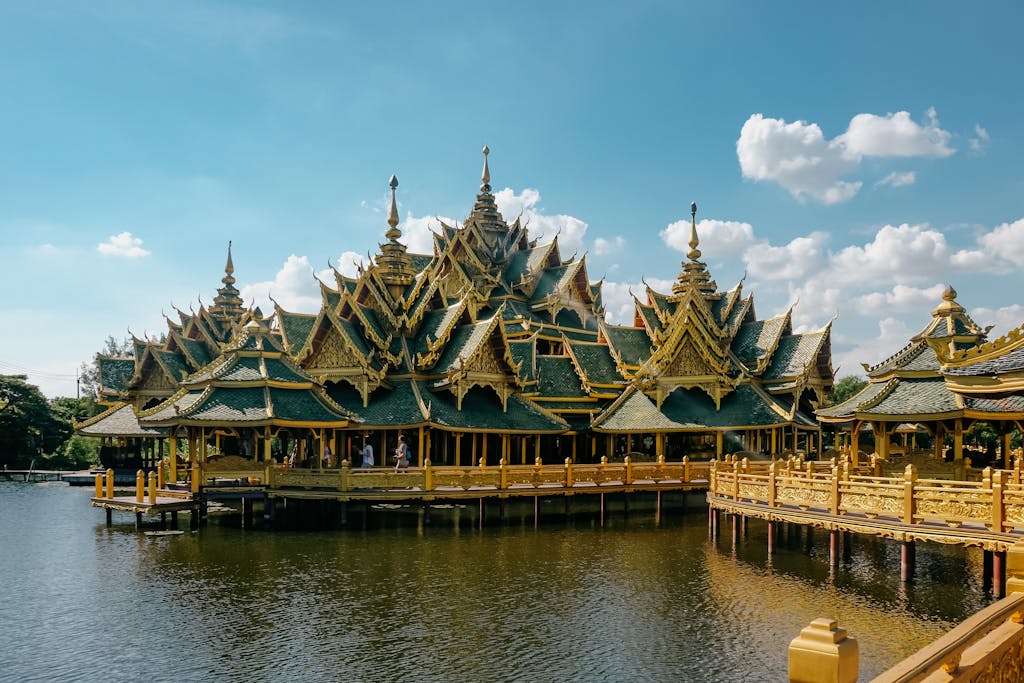
Stay near BTS Asok or BTS Nana (Sukhumvit Soi 4–22 area). This puts you at the intersection of the BTS Sukhumvit Line and the MRT Blue Line, giving you maximum reach to all four zones of this itinerary with a single tap.
Why not Silom or Siam?
Both are valid bases but Sukhumvit has the densest transit access, widest range of accommodation budgets, and the easiest airport connection via the Airport Rail Link.
Accommodation options near Asok/Nana BTS:
- Budget: ibis Styles Bangkok Sukhumvit 4 — short walk to Nana BTS, rooftop bar, pool
- Mid-range: Solitaire Bangkok Sukhumvit 20 — between Asok and Phrom Phong, hotel shuttle to BTS
- Splurge: Grande Centre Point Hotel Terminal 21 — directly connected to Terminal 21
- mall, above Asok BTS
- eSIM: Activate Mobile Data – Stay connected wherever you go
Check availability and current rates before confirming — prices shift seasonally.
Bangkok is a city where the right base can save a lot of time. Staying near BTS or MRT access can reduce slow cross-city movement and make the short trip much smoother.
Day 1 — Arrival Day: Airport → Base Setup → Sukhumvit
Orientation
Morning / Afternoon: Suvarnabhumi → Sukhumvit
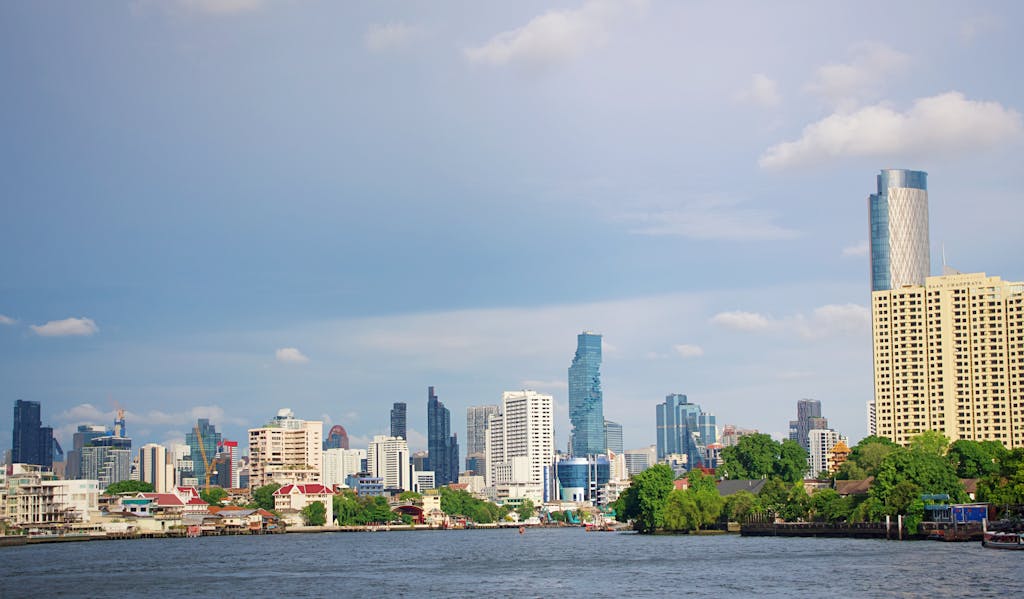
Photo by Khan Ishaan @pexelsphoto
- Step 1: Exit arrivals at Suvarnabhumi Airport. Do not accept any taxi offers inside the terminal.
- Step 2: Follow signs to B Floor (basement) for the Airport Rail Link station.
- Step 3: Buy a token at the vending machine. Select Phaya Thai as your destination — fare is 45 THB. Or tap your contactless Visa/Mastercard directly at the gate (works as of December 2025).
- Step 4: Board the City Line train. It runs every 10–15 minutes. Travel time to Phaya Thai is under 30 minutes.
- Step 5: At Phaya Thai station, exit to the sky bridge and transfer to the BTS Sukhumvit Line. Buy a Rabbit Card here (200 THB — 100 THB card fee + 100 THB stored value) at the BTS ticket office. You will use this for the next 4 days.
- Step 6: Take the BTS to Asok station (or Nana, depending on your hotel). Exit, check in, drop your bags.
Total transit cost airport → hotel: approximately 80–90 THB (~₱120–135) per person.
Evening: Sukhumvit Street Orientation
- Walk Sukhumvit Road between Soi 11 and Soi 21. This is your neighborhood. Find the nearest 7-Eleven (there are several), get small change in THB coins for BTS machines, and locate the nearest BTS entrance from your hotel — you will use it daily.
- Dinner: Grab street food along Soi 38 (accessible from BTS Thong Lo) or the food court inside Terminal 21 mall at Asok — one of Bangkok’s best-value food courts, inside the mall above the BTS station.
Budget Day 1: Airport Rail Link 45 THB + BTS 30–40 THB + Rabbit Card 200 THB + dinner 60–120 THB = approximately 335–405 THB (~₱500–600)
Day 2 — Old City Spine: Grand Palace → Wat Pho → Wat Arun → Riverside
This is the highest-effort, highest-reward day. Start early. The heat and the crowds both peak by midday.
⚠️ Dress code is mandatory: Shoulders and knees must be covered at all temple sites. Wear this from home or buy light cotton pants and a shirt the night before in Sukhumvit.
7:30 AM — Depart Hotel
- Take BTS from Asok toward Siam, then transfer to the Silom Line southbound. Exit at Saphan Taksin BTS station.
- Total BTS fare: approximately 40–45 THB from Asok.
8:00 AM — Saphan Taksin Pier
- Walk down the stairs from the BTS elevated platform to the Sathorn Central Pier (Pier 1) directly below.
- Board the Chao Phraya Express Boat heading north. Get off at Tha Chang Pier (Pier 9) — this is the Grand Palace pier. Journey takes approximately 15–20 minutes. Fare: 15–20 THB (pay the crew onboard, cash only).
8:30 AM — Grand Palace + Wat Phra Kaew
- The Grand Palace and Temple of the Emerald Buddha are open from 8:30 AM to 3:30 PM daily. Arrive exactly at opening to beat the heat and the tour groups. Mass Rapid Transit Authority of Thailand
- Entrance fee: 500 THB per person. The one ticket covers the Grand Palace, Wat Phra Kaew, and the Queen Sirikit Museum of Textiles. Mrt-bts
- Tickets are sold at the entrance. Go directly to the ticket counter — do not trust anyone outside the complex who tells you it is closed or offers to take you elsewhere. This is the most common scam at this site.
- Allow 1.5–2 hours inside.
10:30 AM — Walk to Wat Pho
- Wat Pho is located just 700 meters south of the Grand Palace. Walk directly — it is a 10-minute walk along the outer wall.
- Wat Pho is open daily from 8:00 AM to 6:30 PM. Entrance fee for foreign visitors: 100 THB.
- The Reclining Buddha is 46 meters long and 15 meters high. Plan 45–60 minutes. If your feet need a rest, the Wat Pho Massage School on the temple grounds is the birthplace of traditional Thai massage — a legitimate, affordable 30-minute foot massage here is a practical choice after a morning of walking.
12:30 PM — Lunch near Tha Tien Pier
- Walk 5 minutes south from Wat Pho to Tha Tien Pier and the small market along Maharat Road. This is one of the few remaining authentic local food areas near the old city. Look for rice and curry shops (khao kaeng) — meal 60–100 THB.
1:30 PM — Wat Arun (Temple of Dawn)
- From Tha Tien Pier, take the short cross-river boat to Wat Arun on the opposite bank. Fare: 5 THB. The boat runs constantly.
- Wat Arun entrance: 100 THB. Open 8:00 AM to 6:00 PM. Allow 45–60 minutes. The tiled prang (tower) is climbable on steep stairs — worth doing in the afternoon light.
⚠️ Return strategy: After Wat Arun, take the cross-river boat back to Tha Tien. From there, you can either walk to MRT Sanam Chai (10 minutes) or walk to Tha Tien Pier and catch a river boat south back to Saphan Taksin.
4:00 PM — Asiatique Riverfront (Optional Evening)
- From Saphan Taksin Pier, take the free Asiatique shuttle boat (runs from approximately 4:00 PM). Asiatique is an open-air riverside market and entertainment complex — a relaxed way to end this day. Food stalls, shopping, and a large Ferris wheel. Entry free.
- Return: Take the Asiatique shuttle boat back to Saphan Taksin, then BTS back to Sukhumvit.
- Budget Day 2: BTS 80–90 THB + River boats 35–45 THB + Grand Palace 500 THB + Wat Pho 100 THB + Wat Arun 100 THB + food 200–300 THB = approximately 1,015–1,135 THB (~₱1,500–1,700)
Day 3 — Chinatown (Yaowarat) + Market Night
This day is built around the evening, so start slowly and pace yourself.
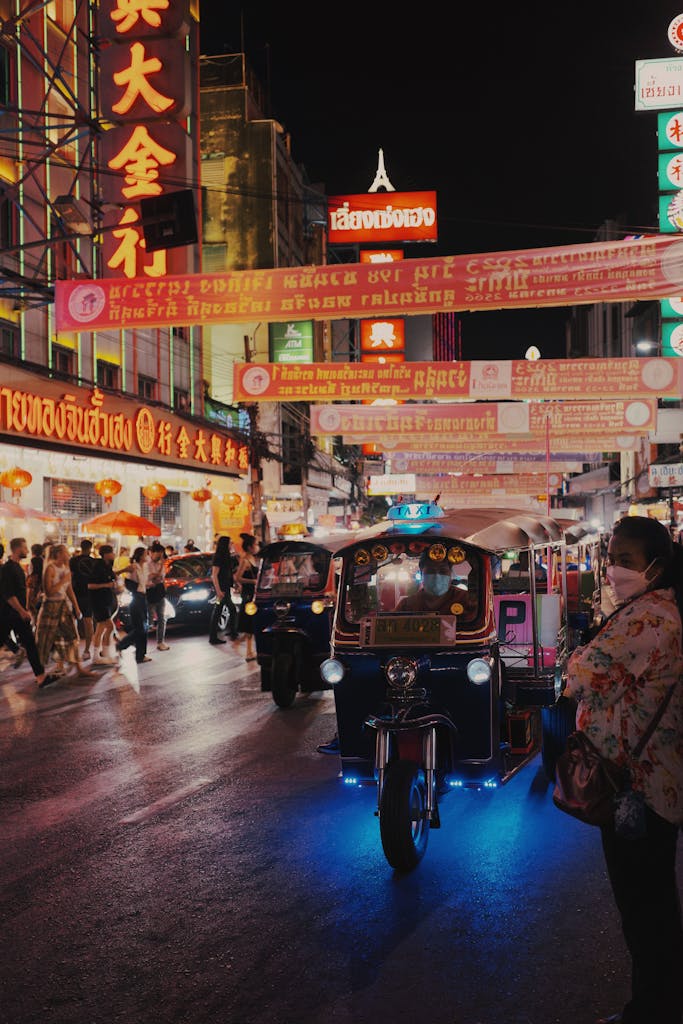
Photo by Tony Wu @pexelsphoto
Morning — Free Time in Sukhumvit
- Sleep in. This is a planning day. Use the morning to top up your Rabbit Card (top up at any BTS station), exchange currency if needed, and walk Sukhumvit Road for breakfast.
- Local coffee shops along the sois are 40–60 THB for coffee and toast. Avoid hotel breakfasts unless included — overpriced in this area.
11:00 AM — Chatuchak Weekend Market (Saturday or Sunday only)
⚠️ Critical planning note: Chatuchak Weekend Market is open Saturday and Sunday, 9 AM to 6 PM. On Fridays, it opens at 6 PM for the night market. If Day 3 falls on a weekday, skip this and use the morning for Lumphini Park or a canal boat trip instead. MRT Bangkok
How to get there: Take BTS to Mo Chit station or MRT to Chatuchak Park station. Both put you 5 minutes from the market entrance.
- Over 200,000 people visit over the weekend. The market covers 35 acres and has over 15,000 stalls. It is genuinely large — you will not see all of it. Go with a section in mind:
- Sections 2–6, 12–14, 19–21: Fashion and clothing
- Sections 1, 7–9, 25–26: Antiques and home decor
- Sections 23–24, 27: Plants and flowers
- Cash only at most stalls. ATMs are available inside the market but queues form fast. Bring cash from your hotel.
- Allow 2–3 hours maximum before the heat becomes a problem (36°C+ by early afternoon is common).
3:00 PM — Return to Hotel, Rest
- Heat break. This is not optional if you plan to be out again tonight. Bangkok’s afternoon heat (especially in March–May) is exhausting. Return to the hotel, shower, and rest for 2 hours before the evening.
6:00 PM — Chinatown (Yaowarat Road)
- Take the MRT Blue Line from Sukhumvit station to Wat Mangkon station — the MRT stop placed directly at the entrance to Yaowarat Road. Fare approximately 30 THB. Use your contactless credit/debit card.
⚠️ The Rabbit Card does not work on the MRT Blue Line. Use your bank card or buy a token at the vending machine.
- Yaowarat Road is Bangkok’s Chinatown spine. It comes alive at night. Gold shops, roast duck, century egg vendors, durian carts, and open-air seafood grills running until midnight.
- What to eat here:
- Guay Jub (rolled rice noodles in dark broth) — 60–80 THB, stalls near Wat Mangkon
- Pad See Ew or pad kee mao from any wok stall along the road — 80–120 THB
- Mango sticky rice from a cart — 60–80 THB
- Grilled seafood from the large open-air restaurants along Yaowarat — 200–400 THB per person for a spread
- Spend 2–3 hours walking the full length of Yaowarat and the connecting sois.
Return: MRT from Wat Mangkon back to Sukhumvit. Last MRT is around midnight. Do not stay past 11:30 PM if you want the train — or use Grab as fallback after midnight.
Budget Day 3: BTS/MRT 60–80 THB + Chatuchak (free entry) 200–400 THB shopping + food/Chinatown 300–500 THB = approximately 560–980 THB (~₱850–1,500)
Day 4 — Departure Day
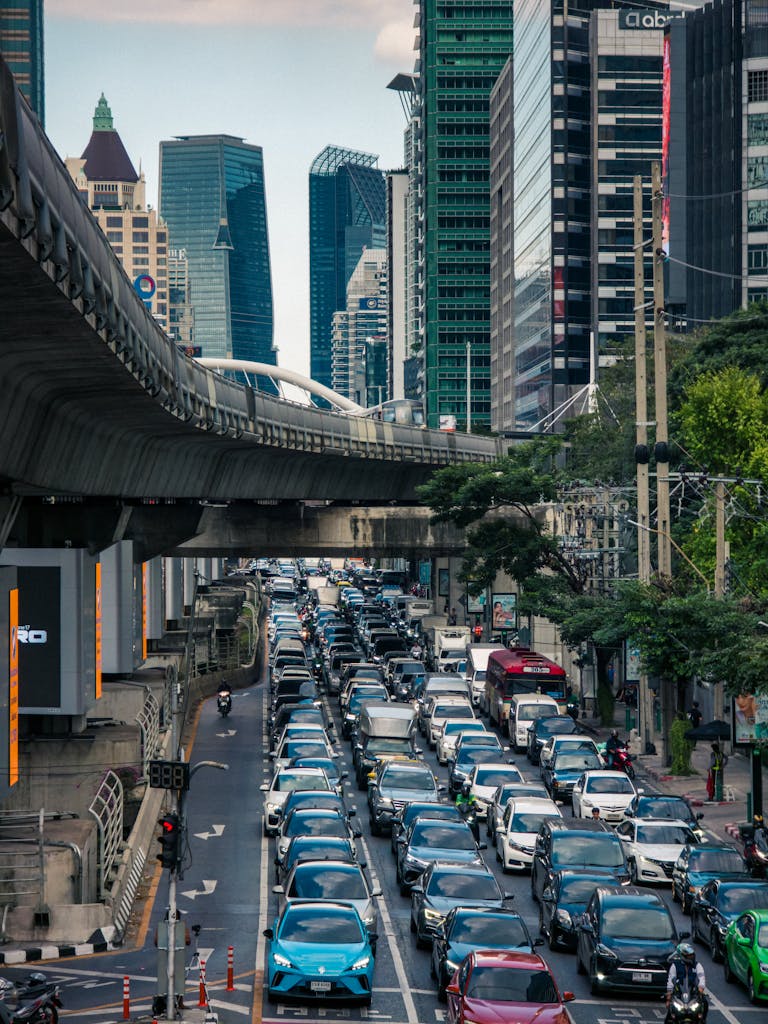
Photo by Vishal Chokkala @pexelsphoto
Check your flight departure time. The ARL runs from 6:00 AM. Calculate backward:
- Check-in closes: typically 2 hours before international departure
- ARL travel time from Phaya Thai to Suvarnabhumi: ~30 minutes
- BTS travel time from Asok to Phaya Thai: ~15 minutes
- Buffer for delays, queues, and luggage: 30 minutes minimum
Minimum recommended departure from hotel: 2 hours 45 minutes before scheduled flight departure.
If your flight is early (before 9:00 AM), Grab from the hotel to the airport is the safer option — the ARL starts at 6:00 AM but boarding queues at the airport take time. A Grab from Sukhumvit to the airport at 5:00 AM typically takes 30–45 minutes with minimal traffic. Fare: approximately 250–400 THB.
If your flight is mid-morning or later, the ARL is always the better choice. The fare from Suvarnabhumi to Phaya Thai is 45 THB, and the ARL connects directly to the BTS Sukhumvit Line.
4-Day Budget Summary (Per Person)
| Item | Estimated THB |
|---|---|
| Airport Rail Link (arrival + departure) | 90 THB |
| Rabbit Card purchase | 200 THB |
| BTS fares across 4 days | 300–400 THB |
| MRT fares across 4 days | 100–150 THB |
| Grand Palace | 500 THB |
| Wat Pho | 100 THB |
| Wat Arun | 100 THB |
| River boats | 50–80 THB |
| Food (4 days, budget street food) | 800–1,200 THB |
| Chatuchak shopping (personal) | variable |
| Total transit + sightseeing | ~1,540–1,820 THB (~₱2,300–2,700) |
Accommodation is separate. Budget guesthouses near Nana BTS start at approximately 600–800 THB/night. Mid-range hotels: 1,500–2,500 THB/night.
Important Things to Know Before You Move
Photo by Nam Phong Bùi @pexelsphoto
Temple dress code is non-negotiable. Any clothing that exposes shoulders, knees, or is see-through will be turned away at the Grand Palace. Rental skirts and trousers are available outside the entrance for approximately 50–100 THB but it adds time and heat.
Rush hour is real. During peak hours (7:00–9:00 AM and 5:00–7:30 PM), BTS trains come every 2–3 minutes but carriages are packed. Avoid Day 2’s early start if you are traveling with small children or heavy bags.
Scam at the Grand Palace entrance: Men in civilian clothes will tell you the palace is closed for a ceremony and offer to take you somewhere else. The Grand Palace closes only for actual royal ceremonies — check the official website the day before. Walk past these people directly to the ticket counter.
The Chatuchak day depends on your arrival date. If Day 3 of your itinerary is a Monday, Tuesday, Wednesday, or Thursday, Chatuchak full market is closed. Swap the market section for a Khlong Saen Saep canal boat ride to Pratunam and MBK Shopping Mall instead.
MRT and BTS do not share a card. Rabbit Card for BTS. Contactless bank card or token for MRT. Accept this before you arrive.
“This recommendations contains Agoda affiliate links. If you book through them, I may earn a small commission at no extra cost to you. Thank you for supporting my work!”
Download the Complete Transit Blueprint of this itinerary in PDF for FREE!
Verification Footer
Last verified: May 2025 Entrance fees, transit fares, and operating hours are accurate as of this date and may change without notice. Grand Palace closes without warning on royal ceremony days — check the official site at grandpalacebangkok.com before Day 2. Found an update or better route?
Email: atlasteam@mappedatlas.com