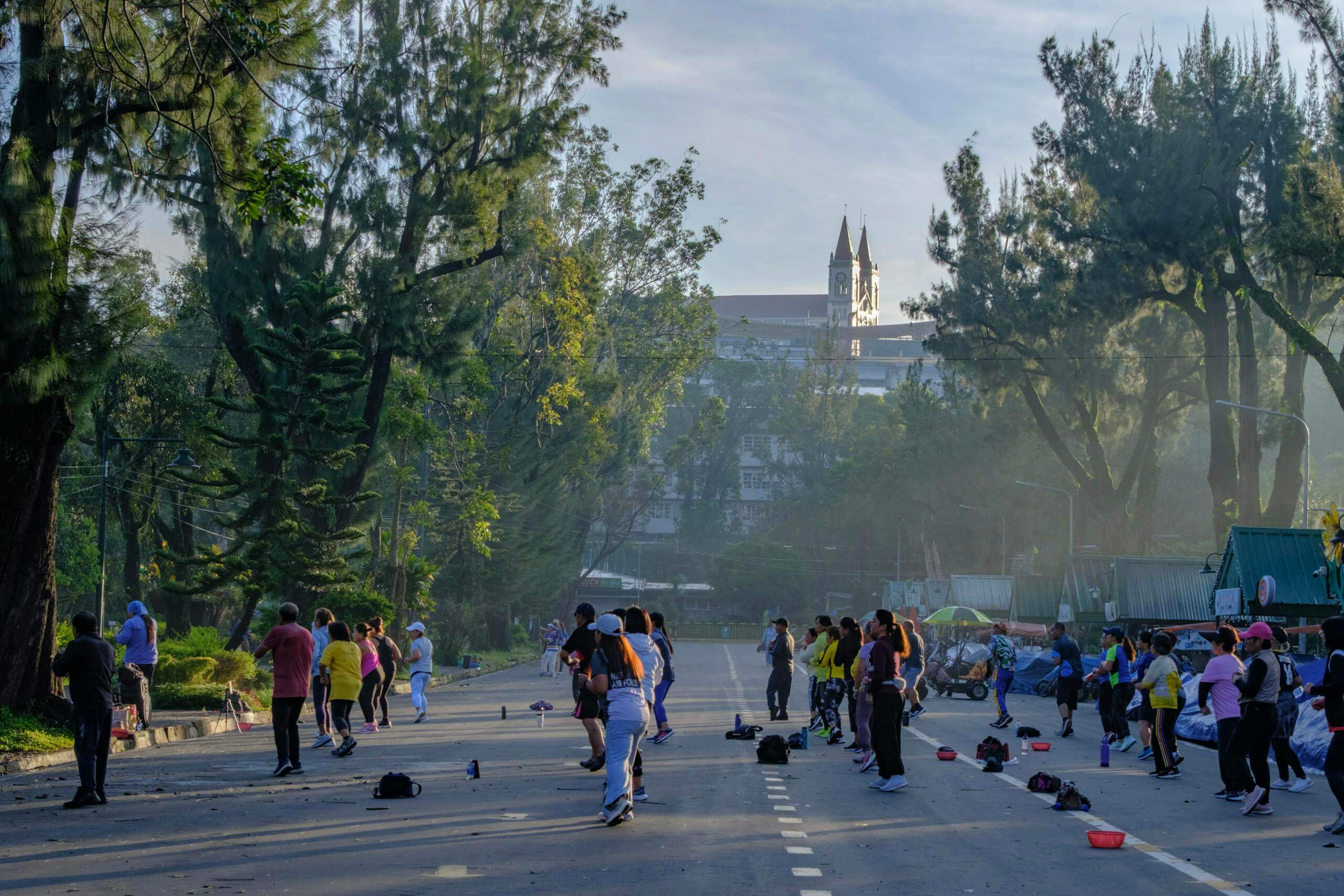
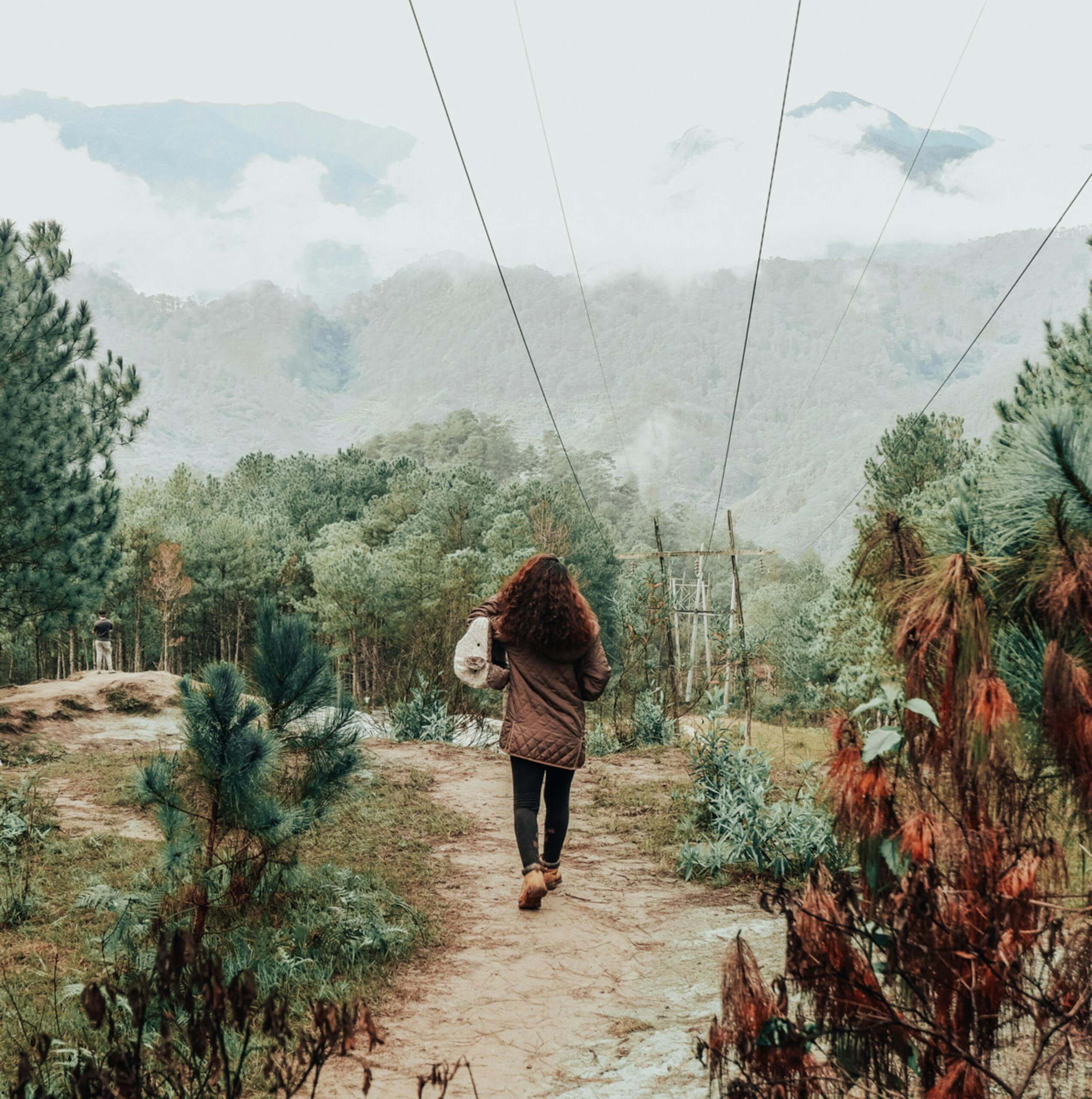
Bontoc Mountain Province Budget Travel and Immersion guide
How to Reach and Immerse the Crossroads of the Cordilleras
https://www.pexels.com/@dada
Bontoc is the beating heart and logistical nerve center of the Mountain Province. It is the vital intersection where the roads to Kalinga, Ifugao, and Baguio converge, making it the most important “map” in your mountain itinerary.
You will arrive in Bontoc using the most reliable direct transit from Manila, successfully navigating the “capital hub” logistics to reach the Maligcong rice terraces and the Bontoc Museum with deep cultural respect.
Bontoc Budget Travel and Immersion guide is your high-utility map for anyone looking to navigate the deeper reaches of the Cordilleras. This guide provides:
- DIY self-guided itineraries including budget
- Transit modes, transfer points and Travel essentials guide
- Cultural Insights and Local Immersion spots
For all those planning to travel to, or pass by, Bontoc, please be informed that you are required to PRE- REGISTER your intended travel by logging on to Bontoc’s UMAYAM SYSTEM or visit their official Facebook page for updates.
Bontoc Mountain Province Budget Travel and Immersion Snapshot
- Choose Bontoc if: You want a grit-and-authenticity experience. It is the transit heart of the Cordilleras and the gateway to Kalinga and Maligcong. Perfect for hikers and culture-seekers.
- Avoid Bontoc if: You are looking for the “cozy cafe” vibe of Sagada or the tourist-ready infrastructure of Baguio. Bontoc is a busy, functional town center.
- The 2026 Alert: Direct Manila-to-Bontoc buses are limited. Coda Lines is your only direct 2026 option from Manila. If you miss it, you must route via Baguio or Banaue, which adds 4+ hours to your journey.
Stepping Into the Scene
- Bontoc is highly accessible as it sits at the junction of several major national roads.
- Primary Operator: Coda Lines (Terminal at HM Transport, Monte de Piedad, Cubao).
Fares (2026): Semi-Deluxe (No CR): ₱725–₱750.
Super Deluxe (With CR): ₱935–₱1,150. - The Traffic Hack: The bus passes through Banaue early in the morning. Sit on the right side of the bus for the best views of the rice terraces as the sun rises before you reach Bontoc.
- From Baguio, head to the Slaughterhouse Terminal to catch D’ Rising Sun or GL Trans buses. Fare is roughly ₱350–₱400.
- The Schedule Hack: If you are heading to Buscalan (Kalinga), take the earliest bus from Baguio (4:00 AM or 5:00 AM).
- You’ll arrive in Bontoc around 10:00 AM, giving you a perfect window to catch the last connecting jeepneys to Tinglayan before they fill up.
Little Moments of Local Life
Bontoc is where you restock and re-tool. If you can’t find it here, you won’t find it in the mountains.
Coffee & Hangout
- Spot: Cable Cafe or Pingew Restaurant.
Why: These are the local “meeting rooms.” Pingew offers authentic Cordilleran flavors that fuel the hikers heading to Maligcong. - The Local Hub: The Bontoc Public Marke is a multi-story fortress of utility. It is the best place to buy “Mountain Coffee” by the kilo and durable hiking gear at local prices.
- Utility Pin: The Bontoc Museum grounds offer more than just history; it is a quiet sanctuary with reliable cell signal compared to the crowded town center.
- For those needing a digital pitstop, Tchaya-pan is a local favorite cafe that offers stable Wi-Fi and the best lemon pie in the municipality.
Tiny Culture Shocks & Soft Landings
- The Ward System: Traditionally, Bontoc is divided into at-ato (wards). These are social and political centers governed by elders.
- The Bontoc Museum: Located within the Saint Vincent’s Elementary School compound. Founded by Belgian nuns, it is arguably the best-curated tribal museum in the country.
- Cultural Etiquette: * The “Tengaw”: If you see a “No Entry” sign or a bundle of leaves at a village entrance, it means the community is observing a sacred rest day. Do not enter.
- Interaction: Address elders with respect. In Bontoc, “sharing” (Lang-ay) is the highest social value. If offered tapey (rice wine), take a small sip as a sign of friendship.
Beyond the First Glance
- Bontoc is where you buy the “Hardcore” Cordilleran goods:
- Etag: This is the local salted, sun-dried, or smoked pork. It is the soul of Cordilleran cooking.
- Where: Find the “Aged” versions in the back of the Bontoc Public Market.
- Advice: It has a very strong scent; wrap it in multiple layers of plastic before putting it in your bus luggage.
- Backstrap Weaving (Samoki): Visit the village of Samoki (walkable from the center). They specialize in backstrap weaving—a more labor-intensive and traditional method than the loom weaving found in Baguio.
- Kakanin at the Entrance: At the market entrance, look for the vendors selling Biko made with “Mountain Violet” sticky rice. It’s the best ₱20 breakfast you’ll ever have.
- The “Fake” Guide Trap: In the town center, individuals may approach you offering “All-in” tours to Sagada or Kalinga.
- Advice: Only hire guides through the Bontoc Tourism Office (located in the Municipal Hall).
- Overpriced Antiques: Beware of “heirloom” beads or gongs sold by street vendors. Many are modern replicas treated to look old.
- Advice: If you want authentic beads, ask the curators at the Bontoc Museum for a reputable local source.
- In Bontoc, the jeepney to Maligcong is a local lifeline.
- The Protocol: If the inside is full, locals will climb to the “topload.” As a traveler, you are allowed to join, but only if you are physically fit and have no loose items.
- The Safety Hack: Hold onto the center rack, not the outer edges. The mountain roads have sharp 180-degree turns.
- Action: Bring a “buff” or face mask; the dust on the road to Maligcong can be intense during the dry season.
Nights, Mornings, and All The Views
- Maligcong Immersion: Take a 30-minute jeepney ride (₱25) from the town center to Maligcong.
Stay at Chen’s Homestay or Suzette’s.
The Sunrise Strategy: Hike Mt. Kupapey at 4:00 AM to see the Maligcong Rice Terraces emerge from the sea of clouds.
The Market Hub: The Bontoc Public Market is a must. It is the cleanest and most organized market in the region.
Tourist Traps or Totally Worth It?
| Spot | Highlights |
|---|---|
| Bontoc Museum | A world-class collection of Igorot artifacts and traditional house replicas. |
| Maligcong Rice Terraces | Less crowded than Banaue, offering stunning “stone-walled” terrace views. |
| Mount Kupapey | The premier spot in Bontoc to witness a spectacular sea of clouds. |
| Mainit Hot Springs | Natural sulfuric springs located in a nearby village, perfect for post-hike recovery. |
How long you can linger, and what it really cost
- Time:
- 2D1N minimum — but you’ll wish you had more
- 3D2N is ideal — gives you time to settle into the rhythm
- 4D3N or more — if you want to explore nearby villages, rice terraces, and sit with the stillness
- Budget range:
- Budget trip: ₱3,000–₱4,500 per person
Bus from Manila, basic lodging, local eateries, walking everywhere, museum entry - Comfortable trip: ₱5,000–₱7,500 per person
Better inn, a few habal-habal rides, guided day trips to nearby terraces or villages, warmer meals - Immersive tier: ₱8,000–₱12,000+
- Budget trip: ₱3,000–₱4,500 per person
- Longer stay, cultural tours with local guides, homestay options, support for weaving cooperatives, deeper exploration
- This isn’t a cheap weekend trip. But the cost reflects distance, effort, and the fact that this place hasn’t been commodified yet.
- You’re not paying for luxury.
- You’re paying for authenticity.
This isn’t polished. That’s the point.
Bontoc, Mountain Province: 3-Day Budget Self-Guided Itinerary
What Bontoc Actually Is
- Bontoc is the capital of Mountain Province. It functions as an administrative and commercial hub, not a tourist town. People come here because they need to: government business, market trading, jumping off to Sagada or Banaue, waiting for connecting transport.
- This creates a particular opportunity. Bontoc shows you how a Cordillera town operates when it’s not performing for visitors. Markets serve locals. Restaurants feed workers on lunch break. The rhythm follows office hours and school schedules, not tour bus arrivals.
- If you come expecting Sagada’s developed traveler infrastructure or Banaue’s iconic terraces, you will be disappointed. If you come curious about how a provincial capital actually works, Bontoc delivers something more honest.
- Trip Character: Working town, not a destination. Gateway energy. Real errands happening around you.
- Total Estimated Budget: ₱2,800–₱4,500 per person (excluding Manila-Bontoc transport)
- Best Months: November–April (dry season, cooler temperatures)
Before You Go: What to Know
- Bontoc sits lower than Sagada (elevation ~1,300m vs ~1,500m) but still gets cold at night (12–18°C). Days are warm (20–28°C). Pack layers.
- ATMs: PNB and LBP have branches with ATMs. They sometimes run dry on weekends. Bring cash buffer (₱5,000+).
- Connectivity: Cell signal works in town. Weakens immediately outside. Download maps.
- Sunday reality: Many restaurants close. Shops operate reduced hours. Plan accordingly.
- Transport timing: Bontoc is a junction point. Jeepneys to surrounding areas leave early morning (6–9 AM), return early afternoon. Miss the morning window, you wait until tomorrow.
Accommodation Options (Budget Tier)
- Pines Kitchenette & Inn (₱350–₱600/night) Central location. Clean rooms. Hot water usually works. Carinderia-style restaurant downstairs. Locals eat here—good sign.
- Chico River Quest (₱400–₱700/night) Slightly outside town center. Quiet. Run by outdoor guides. Can arrange treks, raft trips if interested. Basic but functional.
- Mt. Data Lodge (₱500–₱800/night, technically in Bauko, 30 min from Bontoc) Historic lodge built during American colonial period. Cool climate, forest setting. Worth considering if you have private transport and want atmospheric accommodation over convenience.
- Bontoc Youth Hostel (₱250–₱400/night, dorm or basic room) Simplest option. Shared facilities. Backpacker-oriented. Ask at tourism office or municipal hall for current contact.
⚠️ Verification needed: Operating status, current rates, booking methods. Bontoc accommodation turns over periodically.
Day 1: Arrival, Museum, Market Immersion
Morning/Midday: Arrive and Orient
- If coming from Manila: Overnight bus (10–11 PM departure, multiple operators). 10–12 hours. Arrives Bontoc 8–10 AM. Fare: ₱700–₱1,000.
- If coming from Baguio: Morning vans/buses from Slaughterhouse area. 6–7 hours. Fare: ₱300–₱450.
- If coming from Sagada: Jeepney from Sagada town center. 1.5–2 hours. Fare: ₱80–₱120. Frequent departures morning until early afternoon.
- Upon arrival:
- Check in (or leave bags if room not ready)
- Walk town center to locate: market, municipal hall, jeepney terminals, food options
- Town is compact—15-minute walk corner to corner
- Budget: ₱0 (arrival day, transport separate)
Late Morning: Bontoc Museum 10:00 AM–12:00 PM
- Location: Near municipal capitol, 5-minute walk from town center
- Entrance: ₱50–₱100 (confirm current rate)
- This is the cultural anchor of Bontoc. Small museum, serious collection. Run by descendants of the communities whose materials are displayed—not extracted by outsiders.
- What you’ll see:
- Traditional Bontoc clothing and textiles (authentic pieces, not replicas)
- Ritual objects, farming implements, hunting tools
- Photographs by Eduardo Masferre (the photographer who documented Cordillera life mid-20th century)
- Reconstructed traditional Bontoc house (actual structure, not model)
- Skulls and artifacts from headhunting era (contextualized, not sensationalized)
- Why this matters: Most Philippine museums are Spanish colonial or American period focused. This one centers indigenous highland culture on its own terms. The curation is straightforward, the labels are informative, the space is respectful.
- Allow 1.5–2 hours. Read everything. Ask the caretaker questions if they’re available—they often have family connections to the materials.
- Budget: ₱100
Midday: Lunch at the Market 12:00 PM–1:30 PM
- Bontoc Public Market is the town’s real center. Multi-level concrete structure, organized chaos.
- Ground floor: Vegetables, root crops, rice, dried fish, local products
- Upper floor: Cooked food stalls (carinderias), small eateries
- What to eat:
- Pinikpikan (₱80–₱150): Traditional chicken soup. The process involves specific preparation rituals. What you get is rich broth, chicken, vegetables, etag (preserved meat) sometimes added.
- Dinakdakan (₱60–₱100): Grilled pork parts, chopped and mixed with onions, ginger, sometimes pig brain for creaminess. Not for the squeamish. Excellent with rice.
- Pinuneg (₱50–₱80): Blood sausage, Cordillera version. Grilled or fried. Salty, rich, pairs with tomatoes.
- Simple rice meals (₱50–₱80): Fried pork, vegetables, rice. Basic, filling, honest food.
- Market strategy: Look for stalls with locals eating. Sit down. Point at what looks good. Eat with hands or ask for utensils. Pay after eating (₱60–₱100 typical meal).
- Budget: ₱100
Afternoon: Chico River and Town Walking 2:00 PM–5:00 PM
- Chico River Walk
- From town center, walk toward the river (10 minutes). The Chico River runs through Bontoc, significant both geographically and historically (this is the river that would have been dammed in the 1970s-80s—locals successfully resisted, protecting their land and culture).
- What to do:
- Walk along the riverbank (informal trails, no developed path)
- Watch locals doing laundry, kids swimming, fishermen working
- Cross the hanging bridge (if it’s still there—ask locals, these get rebuilt periodically)
- Sit on rocks and do nothing
- This isn’t an attraction. It’s just the river. That’s the point.
- Town Proper Walk
- Return through residential streets. Notice:
- Mix of traditional highland architecture (wood, elevated, steep roofs) and modern concrete
- Small shops selling everything from farm tools to cellphone loads
- Tricycles waiting for passengers
- Mountain backdrop visible from most corners
- Samoki Falls (optional, if time/energy permits)
- 20-minute walk from town center. Small waterfall, local swimming spot. Free. Trail is easy. Water is cold year-round. Locals use this for recreation—you’re joining them, not visiting a tourist site.
- Budget: ₱0 (all walking, no fees)
Evening: Dinner and Quiet 6:00 PM–8:00 PM
- Dinner options:
- Pines Kitchenette (₱80–₱150): Local dishes, rice meals, consistently open. Pinikpikan, sinigang, adobo variations. Workers from government offices eat here.
- Bontoc Fastfood (₱60–₱120): Not American fast food. Filipino fast food: fried chicken, rice toppings, palabok, burgers. Cheap, fast, reliable.
- Small carinderias near market (₱50–₱100): If still open evening hours. Hit or miss. Ask locals which ones operate dinner service.
- Bontoc nightlife does not exist in the entertainment sense. Shops close by 7–8 PM. Streets empty early. This is a working town that wakes early.
- Evening activity: rest, plan tomorrow, charge devices, sleep by 9 PM.
- Budget: ₱120
- Day 1 Total: ₱320 (food + museum; accommodation ₱250–₱600 separate)
Day 2: Maligcong Rice Terraces and Mainit Hot Springs
Early Morning: Maligcong Rice Terraces
6:00 AM departure
- Getting there: Jeepney from Bontoc terminal bound for Bontoc-Maligcong route. Departures typically 6–8 AM. Fare: ₱60–₱100. Travel time: 1.5–2 hours.
- Critical: Confirm return jeepney schedule before you leave. Usually one or two return trips in early afternoon (1–3 PM). Miss it, you’re stranded or paying tricycle (₱300–₱500).
- Maligcong Rice Terraces
- These are not Banaue. They’re less famous, less crowded, equally dramatic. Amphitheater formation—terraces wrap around a valley in near-perfect curves. Still actively farmed by locals.
- What to do:
- Walk through the village (small, maybe 100 households)
- Follow rice terrace trails (informal, ask permission if crossing private land)
- Photography is free but ask before photographing people
- Hire local guide (₱200–₱400) if you want to go deeper into the terrace system or learn farming details
- Timing: 2–3 hours on site gives you adequate walking and viewing time.
- Food: Bring packed breakfast/snacks from Bontoc. No guaranteed restaurant in Maligcong. Homestays sometimes prepare food if arranged ahead (ask jeepney driver for contacts).
- Budget: ₱150 (jeepney round-trip + snacks)
Afternoon: Return to Bontoc, Lunch, Mainit Hot Springs 12:00 PM–1:00 PM: Lunch in Bontoc
- Return jeepney arrives early afternoon. Eat in town before next activity.
- Budget: ₱100
- 2:00 PM–6:00 PM: Mainit Hot Springs
- Getting there: Tricycle from Bontoc (₱150–₱250 round-trip, negotiate waiting time). Or jeepney to Mainit if schedules align (₱40–₱60 one way, but infrequent). Located in Mainit village, ~30 minutes from Bontoc.
- The springs:
- Natural hot springs, community-managed. Entrance fee: ₱20–₱50. Facilities are basic: concrete pools, changing rooms, no luxury infrastructure.
- Water temperature varies by pool (warm to hot). Clean enough—locals use these regularly. Bring your own towel and toiletries.
- Why go: Your legs will hurt from yesterday’s cave and waterfall. Hot water helps. The setting is ordinary mountain village, not developed resort—which means it’s real.
- Timing: 2–3 hours is plenty. Soak, rest, soak again.
- Return: Tricycle takes you back to Bontoc by 5–6 PM.
- Budget: ₱200 (tricycle + entrance)
Evening: Dinner and Market Revisit
6:30 PM–8:00 PM
- Dinner at a different spot from Day 1. Try:
- Rice terraces view point dinner (if any eateries open with views—ask locals for current options)
- Or return to Pines Kitchenette if you want reliable pinikpikan again.
- Evening market walk: Some vendors sell until 7 PM. Good time to buy: local coffee beans (₱150–₱300/pack), woven goods (small purses, keychains), citrus fruits in season.
- Budget: ₱150
- Day 2 Total: ₱600
Day 3: Alab Petroglyph, Day Trip Options, or Departure Prep
Option A: Cultural Morning (Alab Petroglyph + Weaving Communities)
7:00 AM–12:00 PM
- Alab Petroglyph
- Ancient rock carvings in Alab Oriente barangay, ~20 minutes from Bontoc proper. Requires guide (arrange through municipal tourism office or cultural office, ₱300–₱500).
- What you see: Geometric patterns and anthropomorphic figures carved into stone. Age uncertain (pre-colonial, likely centuries old). Significance debated—ritual markers, boundary symbols, cultural records. Not spectacular in obvious ways, but genuinely old and locally significant.
- Getting there: Tricycle to Alab barangay (₱100–₱150), then short walk to site.
- Weaving communities (optional add-on):
- Some barangays near Bontoc maintain traditional backstrap loom weaving. If your guide can arrange, visit a weaver’s home. Watch the process. Buy directly if interested (textiles ₱300–₱2,000+ depending on size and complexity).
- This requires flexibility and cultural respect—you’re visiting someone’s home and workspace, not a shop.
- Budget: ₱500–₱700 (guide + tricycle + possible weaving purchase)
Option B: Trekking Day (Mount Fato or Surrounding Trails) 6:00 AM–3:00 PM
- Mount Fato: Moderate day hike, 4–6 hours round trip. Views over Bontoc and surrounding valleys. Trail requires local guide (₱400–₱600, arrange through municipal office or Chico River Quest lodge).
- What you need: Water (2L minimum), snacks, sun protection, decent shoes, basic fitness.
- Or: Ask guides about other trails—plenty of informal hiking routes connect barangays. These aren’t mapped or marked but locals know them. Costs vary (₱300–₱500 guide fee typical).
- Pack lunch from town (bread, canned goods, fruit from market = ₱80–₱120).
- Budget: ₱500–₱800 (guide + food + transport to trailhead if needed)
Option C: Junction Day Trips
- Bontoc’s position makes it viable for day trips to surrounding areas if you have full day available:
- Sagada (1.5–2 hours by jeepney): Visit if you haven’t yet or want specific site. Jeepney ₱80–₱120 one way. Return same day possible but tight—leave early.
- Banaue (2–3 hours by jeepney/bus): Iconic rice terraces. Jeepney ₱100–₱150. Doable as long day trip but exhausting. Better as overnight.
- Barlig (2+ hours): More remote, less visited. Rice terraces without crowds. Requires early start and confirmed return transport.
- For any of these: verify jeepney schedules before departure. Weekend schedules differ.
- Budget: ₱200–₱400 (transport only, not including food/activities at destination)
Option D: Departure Prep and Slow Morning
- If leaving Bontoc today:
- Sleep in (rare opportunity)
- Breakfast at Pines Kitchenette or market carinderia (₱80–₱120)
- Final market visit for purchases: coffee, woven items, preserved meats (etag), citrus
- Organize transport: confirm bus/van booking, arrive terminal 30 min early
- If staying another night:
- Use this as buffer/rest day. Read. Write. Walk without agenda. Drink coffee slowly. This is legitimate travel activity.
- Budget: ₱150 (breakfast + possible market purchases)
- Day 3 Total: ₱150–₱800 (depending on chosen option)
3-Day Budget Summary
| Item | Cost (PHP) |
|---|---|
| Accommodation (3 nights) | ₱750–₱1,800 |
| Food (3 days, 9 meals) | ₱900–₱1,350 |
| Museum entrance | ₱100 |
| Maligcong trip (jeepney) | ₱150 |
| Mainit hot springs (tricycle + entrance) | ₱200 |
| Day 3 activity (variable) | ₱150–₱800 |
| Misc (snacks, market purchases) | ₱200–₱400 |
| TOTAL (excluding Manila/Baguio transport) | ₱2,450–₱4,800 |
Add: ₱700–₱1,000 for Manila round-trip bus, or ₱600–₱900 for Baguio round-trip van. Realistic all-in budget: ₱3,500–₱6,000 per person for 3 days.
Movement Modes Experience
- Primary: Walking (town center compact, most sites within 30 min walk)
- Secondary: Jeepney (inter-municipality, ₱60–₱150 typical)
- Tertiary: Tricycle (for hot springs, petroglyphs, areas without jeepney service; ₱100–₱250)
- Not needed: Private vehicle rental (unless planning extensive multi-day exploration beyond Bontoc)
Your Vibe Calibration
- Bontoc is not trying to charm you. It has work to do. You are incidental to its daily operations.
- Expect:
- Functional spaces over aesthetic ones
- Restaurants that serve what they serve, no substitutions
- Schedules that follow local logic, not tourist convenience
- Interactions that are polite but not performative
- A town that exists for itself, which you get to witness
- This creates particular opportunities:
- See how Cordillera governance and commerce actually work
- Eat where workers and farmers eat
- Navigate systems designed for residents
- Experience mountains without the meditation-retreat overlay Sagada sometimes has
The Most Recommended Best Times Specific to Bontoc
- November–February: Cool, dry, excellent visibility. Rice terraces post-harvest (golden/brown), still beautiful. Best hiking conditions.
- March–May: Warmer, still mostly dry. Rice planting season begins (terraces green up). Locals busy with farm work—good time to observe agricultural cycles.
- June–October: Wet season. Landslides possible on mountain roads. Chico River swells. Terraces fully green and dramatic but access difficult. Hot springs more appealing in rain, actually.
- Market days: Daily market operates, but Sundays see vendors from outlying barangays bringing specialty items. Worth timing if interested in local products.
What Bontoc Is Not
- Bontoc is not:
- A highlight reel destination
- Optimized for foreign tourists
- Particularly Instagrammable (by contemporary standards)
- A place where English is default
- Convenient
- What it is:
- Authentic provincial capital
- Cultural gateway to Mountain Province
- Functional base for surrounding attractions
- Cheaper than Sagada
- Real
Honest Expectations
- You will spend time waiting: for jeepneys, for food to be cooked, for shops to open after lunch break, for rain to stop.
- You will navigate without perfect information. Schedules are approximate. “Later” means different things to different people. Flexibility is mandatory.
- You will eat well but not elaborately. Food is fuel here, prepared competently but without fuss.
- You will probably be the only tourist in several places you visit. This is good. This means you’re seeing something that hasn’t been converted into content yet.
- You will leave understanding the Cordilleras slightly better—not from a resort perspective, but from a working town perspective. That understanding is more useful.
Travel smarter, use Commute Guides links as your tool to understand how modes connect before moving.
Choose your intent. Navigate with confidence. Move without guessing. Use Homepage as your control panel.
Places worth imagining—before you ever arrive, explore Dream Destinations for your weekend getaways and travel itineraries.
MappedAtlas improves with commuter reports. If you find outdated routes, changed timetables, or new paths, send a quick update.
Last updated: March 2026
Disclaimer: The information here is for guidance only. Schedules and fares are subject to change based on traffic, weather and maintenance without notice from the operators. Always allow extra time for your trip. Safe travel “Ka-Atlas”.