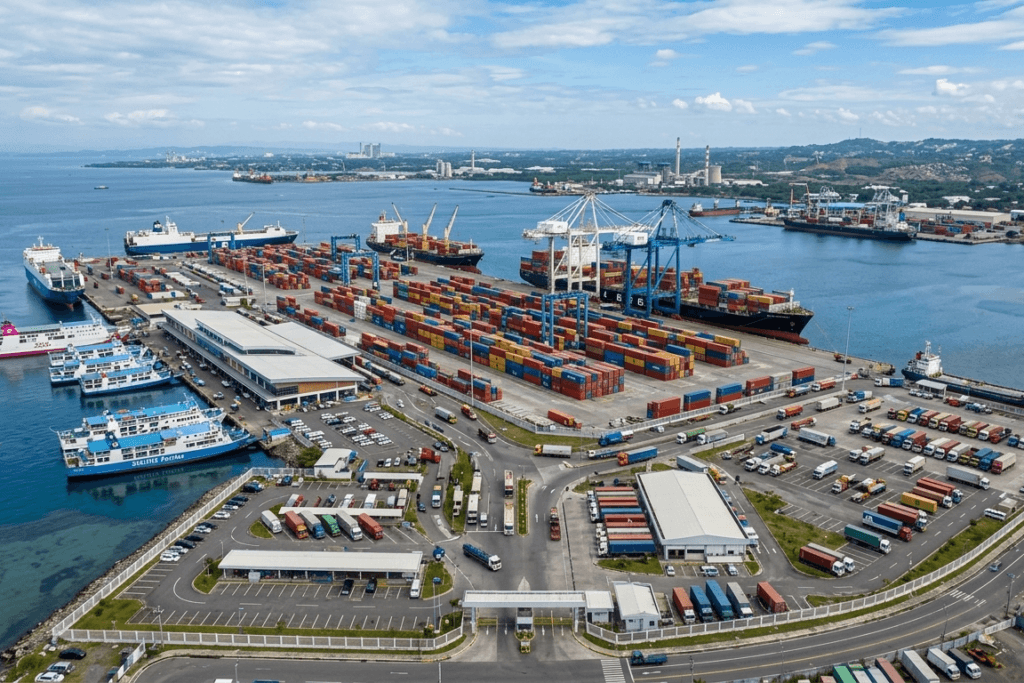
This page is for anyone who needs to move through, into, or out of Batangas City using public transportation. Whether you are catching a ferry to Mindoro, processing documents at a government office, or arriving from Manila and figuring out your next step — this guide gives you the verified infrastructure information you need.
This is not a tourism page. It is a transit and logistics reference built for commuters, OFW families, island-bound travelers, and residents who depend on accurate information to move without wasting time or money.
Commitment threshold: If you are transiting through Batangas City only to board a ferry, budget a minimum of half a day. If you have government, medical, or bank errands to combine with your trip, plan a full day. Do not assume connections are instant — port traffic and bus queues in Batangas City can be unpredictable, especially on weekends and holidays.
📞 7890 (Action Center Hotline) Department of Transportation (DOTr) → For public transportation services and passenger complaints.
Batangas City Transit & Infrastructure Key Highlights
| Detail | Information |
|---|---|
| City Classification | Independent Component City, Regional Growth Center (CALABARZON) |
| Primary Land Gateway | Batangas City Grand Terminal (BCGT), Brgy. Alangilan, Diversion Road |
| Primary Sea Gateway | Batangas International Port, Brgy. Santa Clara (3 passenger terminals) |
| Airport | None. Nearest is NAIA (Manila) or Ninoy Aquino International, approx. 2–2.5 hrs via STAR/SLEX |
| Expressway Access | STAR Tollway (Southern Tagalog Arterial Road) connects directly to SLEX |
| Port Capacity | Up to 8 million passengers/year (post-2024 modernization) |
| Bus Lines Operating | ALPS, JAM, DLTB, Dela Rosa, Ceres, Supreme Trans Liner, RRCG, Saint Rose Transit |
| Ferry Operators | 2GO Travel, Oceanjet, Montenegro Lines, Si-Kat Ferry, Starlite Ferries, Island Water, FastCat |
| Key Island Destinations | Puerto Galera, Calapan (Mindoro), Caticlan (Boracay), Romblon, Abra de Ilog |
| Estimated Budget: Manila to Batangas City (bus) | ₱200 one-way (confirm on-site) |
| Commitment Threshold | Half-day minimum for transit use. Full day for government transactions or ferry connections. |
Section 1: Understanding Batangas City’s Role in the Region
The Unique Position of Batangas City
- Batangas City is not simply a provincial capital. It functions as a multi-modal regional transit hub for the entire Southern Luzon corridor and serves as the primary maritime gateway connecting Luzon to the Visayas and Mindanao via the western nautical highway.
- Under the mandate of the Medium Term Philippine Development Plan and the Eco-zone Act of 1995, Batangas City has been identified as both a Regional Agro-Industrial Center and Special Economic Zone. That classification matters to commuters because it explains why the city’s infrastructure is more developed than a typical provincial city — more bus lines, more ferry operators, better road connections.
- Philippine Ports Authority General Manager Jay Daniel Santiago confirmed that the Batangas port connects mainland Luzon to MIMAROPA, Iloilo, Negros, Cebu, and Mindanao via high-speed craft, ferries, and Roll-on/Roll-off ships.
- In practical terms: if you are anywhere in Calabarzon and you need to reach an island south of Luzon, you will pass through Batangas City.
What Makes Batangas City Distinct as a Transit Node
- It operates two separate transit clusters — the land terminal cluster (Grand Terminal, Diversion Road) and the sea terminal cluster (Port Area, Brgy. Santa Clara). These are not the same place. They are located several kilometers apart. If you are arriving by bus and need to board a ferry, you will need a connecting ride.
- The port never closes. The Port of Batangas is open to serve the riding public at all times. This matters if you are catching early-morning or late-night ferries.
- The STAR Tollway is the backbone. The completion of the Southern Tagalog Arterial Road (STAR) and the South Luzon Expressway Calamba Interlink shortened travel time from Metro Manila to Batangas City by about thirty to forty-five minutes. All major bus lines use this route. Avoid traveling on Holy Week, long weekends, and Friday evenings — STAR traffic congestion during these periods can add 2 or more hours to your trip.
Batangas City transit infrastructure is essential for:
- Passengers traveling to Puerto Galera, Calapan, Boracay (via Caticlan), Romblon, and Palawan
- Workers and families commuting between Manila and Batangas province
- Residents of Batangas, Laguna, Quezon, and Cavite provinces who use the port as an inter-island gateway
- Cargo logistics operators moving goods between Southern Luzon and the Visayas
- OFWs departing or arriving via sea from Visayas and Mindanao provinces
Section 2: Key Transportation Options Moving Around Batangas City and Getting There
From Metro Manila to Batangas City Grand Terminal
- By Bus (Recommended — Budget Option)
- Multiple bus lines operate from Manila to Batangas City Grand Terminal. The JAM, DLTB, Dela Rosa, Ceres, and ALPS Bus schedule from Batangas City Grand Terminal to PITX or LRT Buendia runs from 4:30 AM to 6:30 PM with an hourly departure and fare of ₱200.
- Departure points from Manila side include:
- PITX (Parañaque Integrated Terminal Exchange) — most organized, easiest for those coming from the South
- LRT Gil Puyat / Buendia — accessible via LRT-1
- Cubao (Araneta) — for those coming from the North
- Confirm exact terminal locations and current fares on-site or via the bus company’s official Facebook page before traveling. Schedules change, especially during holidays.
- By P2P Bus (Alabang Route — Comfort Option)
- RRCG Transport operates a P2P bus service between Starmall Alabang and Batangas City. Terminals at the Batangas end are located at both the Batangas City Pier and Batangas Grand Terminal. The first trip from Alabang to Batangas departs at 5:00 AM and the last trip at 7:00 PM, with departures every 45 minutes.
- This is a more comfortable option with air conditioning and reserved seating, but fares will be higher than regular buses. Confirm current P2P fares directly with RRCG before travel.
- By Private Car / Grab (Fallback Option only)
- Via STAR Tollway from SLEX. Expect 1.5–2 hours under normal traffic conditions. During holidays or Friday nights, this can extend to 3–4 hours. Not recommended as your primary plan if you have a ferry to catch with a fixed schedule.
From Batangas City Grand Terminal to Batangas Port (Pier)
- This connection is critical and frequently missed by first-time travelers.
- The Batangas City Grand Terminal (BCGT) in Brgy. Alangilan is NOT located at the port. After arriving at BCGT, you still need to get to Brgy. Santa Clara where the passenger terminals are.
- Options:
- Jeepney — Routes serving the port area depart from near the terminal. Confirm the route number and color coding with terminal staff on arrival. Fare is typically ₱15–₱25 (confirm on-site).
- Tricycle — Available at the terminal exit area. Fare to the port is roughly ₱50–₱100 depending on negotiation and distance (confirm on-site).
- Grab / Taxi (Fallback) — Available if you have heavy luggage or are short on time.
- Do not assume you can walk from the Grand Terminal to the port. The distance and road conditions make it impractical, especially with luggage.
Moving Within the Port Area
- The modernised Batangas Passenger Terminal provides shuttle van services and electric vehicles to ensure accessibility and convenience for all passengers, including those with limited mobility.
- There are 3 passenger terminals at the port. Different ferry operators use different terminals. Before arriving, confirm which terminal your ferry operator uses. Do not assume all ferries depart from Terminal 1.
Local Transport Within Batangas City
- Public Utility Jeepneys (PUJs)
- Public utility jeepney routes in Batangas City are organized through a color and number coding scheme. Parking areas and PUJ terminals have been designated for different routes.
- For current route maps and color codes, inquire at the City Hall or the Grand Terminal information desk on arrival. Routes change periodically.
- Tricycles
- The Batangas City Government has jurisdiction over tricycle franchises within the city. Tricycles are the primary last-mile option for barangay-level destinations. Always agree on the fare before boarding.
- No MRT, LRT, or equivalent rail system exists in Batangas City. All local transport is road-based
Major Local Transit Hub Clusters and Signage
Hub 1: Batangas City Grand Terminal (BCGT)
- Location: Diversion Road, Brgy. Alangilan
- Function: All provincial buses, vans, and most jeepney routes terminate here
- Signage: Look for “Batangas City Grand Terminal” or “BCGT” on all approaching roads
- Key landmarks near it: Diversion Road commercial strip, Shell and Petron stations
Hub 2: Batangas International Port Passenger Terminal
- Location: Port Access Road, Brgy. Santa Clara
- Function: All ferry and RoRo operations
- Three terminals: PT1, PT2, PT3 — different operators use different terminals. Confirm before arriving.
- Signage: “Batangas International Port” / “Batangas Pier” on port approach road
- Key landmark: The PPA port gates and security checkpoint are visible from the main road
Hub 3: Downtown Batangas City Poblacion Area
- Function: Secondary jeepney routes, tricycle hubs, banks, government offices, and markets
- Centered around P. Burgos Street (where City Hall is located)
- Not a formal terminal, but a practical interchange for local trips
⚠️Warning on Port Scammers: The Port of Batangas has earned a reputation among travelers due to the presence of unofficial guides and helpers within the vicinity. Travelers are advised to research beforehand to avoid being scammed. Do not accept help from strangers who approach you unsolicited inside or near the port gates. Purchase tickets only at official operator ticketing counters inside the port.
Section 3: Staging and Smart Stops Services Available in Batangas City
Government Services
- Batangas City Hall — P. Burgos Street, Barangay 17. Primary LGU services including civil registration, business permits, and city-level transactions. Tel: (043) 723-1511
- PhilHealth, SSS, Pag-IBIG — Branches are present in the city center. Exact addresses change; confirm via the respective agency’s official website or hotline before visiting.
- LTO (Land Transportation Office) — Present in the city. For driver’s license and registration transactions.
- NBI Clearance — Available at designated offices; confirm location on-site.
- PPA (Philippine Ports Authority) — Manages port operations. Contact: (043) 722-2429. Office at Port Access Road, Brgy. Santa Clara.
For government transactions: Go on Tuesday to Thursday mornings. Mondays are crowded with week-start foot traffic. Fridays before long weekends are busy and some counters close early.
Medical Services
- Batangas Regional Hospital — A government hospital serving the province. This is the major public medical facility in the city. Confirm current address and services via the Department of Health CALABARZON office.
- Private hospitals are present in the city, including Batangas Medical Center and several clinics along the commercial areas. Exact operating hours and specializations require on-site or direct-call confirmation.
Schools and Universities
- Batangas City hosts several higher education institutions. Key ones include:
- Batangas State University (BatStateU) — one of the largest state universities in CALABARZON
- De La Salle Lipa (in nearby Lipa City, approx. 30–40 minutes away)
- Several technical-vocational schools operated by TESDA
- If you are visiting for enrollment or academic transactions, go early in the day. Enrollment periods create heavy foot traffic around the BatStateU campus.
Banks and ATMs
- Major banks with branches in Batangas City:
- BDO, BPI, Metrobank, Landbank, PNB
- ATMs are available near the Grand Terminal, the Poblacion area, and inside SM Batangas (the closest major mall, located along the diversion road corridor). During peak travel periods (holidays, payday), ATM queues and machine availability can be an issue. Withdraw before you arrive at the port, not after.
Markets
- Batangas Public Market — Located in the Poblacion area, near the City Hall district. Best source for local produce, fresh fish, and budget meals.
- Palengke hours: typically 4:00 AM to early afternoon. Arrive before 9:00 AM for the freshest supply and the least crowded conditions.
Choosing the Right Time and Purpose
If your purpose is ferry travel:
- Arrive at the port at least 1.5–2 hours before your scheduled departure.
- Confirm your ferry schedule the night before via the operator’s official Facebook page or hotline. Batangas ferry departures are frequently delayed during bad weather or high-demand periods. Departures are usually not on time — arrive early to avoid being left behind.
- Do not combine government errands and a ferry in the same morning unless you are traveling a day before your boat departure.
If your purpose is government or banking:
- Best window: Tuesday to Thursday, 8:00 AM to 11:00 AM
- Avoid: Mondays, Fridays before long weekends, and the first week of the month (payroll and pension processing creates heavy queues at banks and government counters)
If your purpose is passing through Batangas City to another destination:
- If coming from Manila by bus and connecting to a ferry: budget at least 45–60 minutes for the bus-to-port transfer and ticketing process, on top of your bus travel time.
- Do not book tight connections. Bus delays on STAR Tollway during peak periods are common.
Section 4: Community Life
Traditions
- Batangueños are known for a culture that values directness, hard work, and strong family ties. The province has a distinct identity within Luzon — its people speak a Tagalog variant with its own cadence and vocabulary, and they carry a regional pride rooted in their history as a province that produced significant figures in Philippine independence.
Food as Daily Ritual
Batangas is the home of kapeng barako — a strong, aromatic coffee variety grown in the Batangas highlands, particularly in Amadeo and Lipa. It is not just a product; it is a daily ritual. You will find it served in small carinderias across the city, often alongside pandesal or puto.
- Local dishes central to Batangueño daily life include:
- Bulalo — beef marrow soup, associated with the Batangas highlands town of Tagaytay/Amadeo but widely available throughout the province
- Lomi — a thick egg noodle soup that is a Batangas original, sold in small roadside shops throughout the city
- Tawilis — a freshwater fish found only in Taal Lake, typically fried and eaten for breakfast or lunch
- Panutsa — a traditional sweet made from raw sugarcane syrup, shaped and hardened on banana leaves
Religious Life
- Catholicism is deeply woven into the rhythm of daily life in Batangas City. The most visible expression is the Minor Basilica of the Immaculate Conception, located in the heart of the city. This is not only a place of worship — it is a civic anchor. Major life events (baptisms, weddings, funerals), fiesta celebrations, and community gatherings revolve around the parish calendar.
- The city observes its Patronal Fiesta in honor of the Immaculate Conception every December 8. During this period, expect increased foot traffic throughout the city, reduced government service availability, and heavier-than-usual traffic on all major roads.
The Balisong
- Batangas is the recognized origin of the balisong (butterfly knife), particularly associated with the town of Taal. This is a heritage craft, not merely a souvenir. Local craftsmen have been producing balisongs for generations using techniques passed down within families. The knife holds a complex cultural identity — it is simultaneously a tool, a symbol of Batangueño character, and a regulated item under Philippine law. If you purchase one, be aware of the legal requirements for transport and ownership.
Heritage Sites
- Minor Basilica of the Immaculate Conception (Batangas City) The city’s most significant religious and historical structure. Located in the Poblacion, it serves as the seat of the Diocese of Batangas. The basilica’s current structure dates to the Spanish colonial period and has been restored multiple times. Open for visits outside of Mass schedules.
- Museo Puntong Batangan (City Museum) The Museo Puntong Batangan is the flagship cultural initiative of Batangas City, designed primarily to instill a love for Batangueño culture in young people. The museum showcases the city’s history and traditions through exhibits, visual and audio presentations. Location: Within the Batangas City civic complex area. Confirm current visiting hours with the City Tourism Office.
- Borbon-Rosales Ancestral House The Borbon-Rosales house has been the home of Don Felipe Borbon’s family since the 1870s. Located along P. Panganiban Street, it is also the ancestral home of Gaudencio Cardinal Rosales, former Archbishop of Manila. This house is an example of the bahay na bato (stone house) tradition — the Spanish colonial residential architecture that defined wealthy Filipino households of the 19th century.
- Taal Heritage Village (In Taal town, Batangas — approx. 40–50 minutes from Batangas City) While technically outside Batangas City, Taal Heritage Village is the most complete living heritage district in the province and draws heavily on the Batangas City transport network as a staging point. Taal Heritage Village features well-preserved Spanish colonial architecture and is home to traditional crafts including piña fibre Barong embroidery and balisong production, as well as traditional sweets like panutsa.
- Basilica of Saint Martin de Tours (Taal) Widely considered one of the largest Catholic churches in Asia. Located in Taal town. Accessible via jeepney or van from Batangas City. This requires a separate day trip and should not be combined with a ferry departure.
Local Customs
- On Greetings and Respect Batangueños have a reputation in the Philippines for being frank and expressive. The local Tagalog dialect carries a more direct tone than Metro Manila Tagalog. Do not mistake directness for rudeness — it is the regional norm. Showing basic courtesy (using po and opo, greeting port and terminal staff properly) goes a long way in getting accurate information.
- On Queuing at the Port The culture of informal queuing at Batangas Port has historically been a source of confusion for first-time travelers. The ferry port in Batangas Passenger Terminal 2 does not have a formal queuing system for cars, which means you cannot reserve a specific departure if you are bringing a vehicle. For foot passengers, follow the official ticketing process at the designated counter for your ferry operator. Do not pay anyone outside the official ticketing area.
- On Weather and Sea Conditions Batangueños who rely on the port understand that the sea determines the schedule — not the clock. During the amihan (northeast monsoon, roughly November to February) and habagat (southwest monsoon, roughly June to October), ferry cancellations are common. If you are traveling to any island destination from Batangas Port during these months, build in at least one extra day of buffer. Check the PAGASA website and your ferry operator’s official Facebook page for weather-related advisories before traveling.
- On Fiesta Season During the December 8 fiesta and Holy Week, Batangas City sees its heaviest travel volumes of the year. Accommodation and transport book out early. If you must travel during these periods, arrive at the Grand Terminal or port at least 2–3 hours earlier than you normally would.
Important Things to Know Before You Go
- The Grand Terminal and the Port are not the same place. Do not arrive at one expecting the other.
- Ferry schedules are not guaranteed. Weather cancellations happen with little warning. Do not book non-refundable onward travel for the same day as your ferry.
- There is no airport in Batangas City. The nearest commercial airports are NAIA in Manila and Francisco Bangoy International in Davao (for those connecting from Mindanao). Helicopter landing pads exist within the city but are not for public commercial use.
- Unofficial guides at the port will approach you. They are not authorized. Politely decline and proceed to the official ticketing counters.
- ATMs near the port area can run out of cash on peak travel days. Withdraw before you arrive at the terminal.
- If traveling with children or elderly companions, the new Batangas Passenger Terminal (opened April 2024) has significantly improved accessibility. The modernised 15,000-square-metre terminal includes centralised air-conditioning, energy-efficient facilities, restaurants, shops, clean restrooms, and electric vehicles to ensure accessibility for passengers with limited mobility.
Travel smarter, use Commute Guides links as your tool to understand how modes connect before moving.
Choose your intent. Navigate with confidence. Move without guessing. Use Homepage as your control panel.
Places worth imagining—before you ever arrive, explore Dream Destinations for your weekend getaways and travel itineraries.
MappedAtlas improves with commuter reports. If you find outdated routes, changed timetables, or new paths, send a quick update.
Last updated: March 2026
Disclaimer: The information here is for guidance only. Schedules and fares are subject to change based on traffic, weather and maintenance without notice from the operators. Always allow extra time for your trip. Safe travel “Ka-Atlas”.