
Sagada Budget Travel and Immersion guide is your high-utility map that will execute a seamless 12-hour transit from Manila to the Mountain Province and engage with the Kankana-ey Igorot culture without violating sacred protocols or overpaying for standardized tours.
Stepping Into the Scene
- Vibe: Mystical, mist-covered, and fiercely traditional. This is not a “resort” town; it is a living indigenous community.
- Best Season: November to February (Cold/Harvest season); Late January (Etag Festival).
- Weather: 12°C to 21°C. It is significantly colder than Baguio.
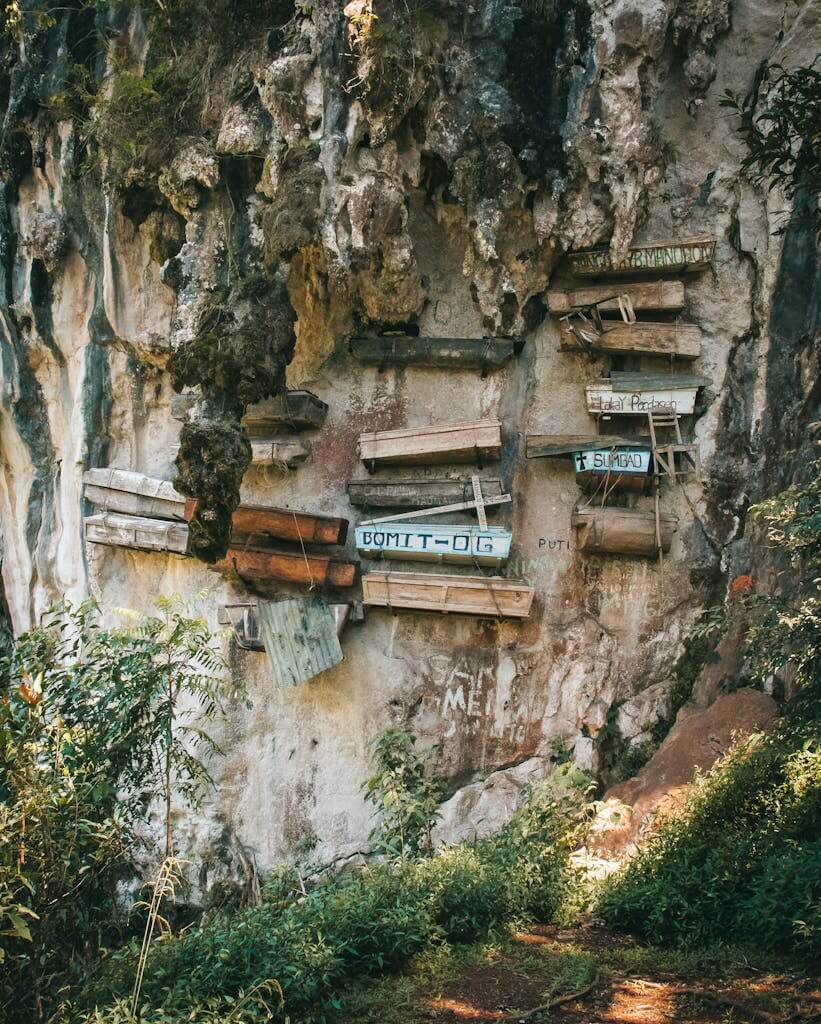
https://www.pexels.com/@palumalerba
Sagada is the mist-covered sanctuary of the Cordilleras, offering a serene escape that feels worlds away from the lowland heat. Known for its unique Igorot burial traditions and limestone caves, it is a necessary stop for those seeking spiritual reset or high-altitude adventure. While the journey is long, navigating the mountain passes is the first step toward an uncomplicated mountain retreat.
→ Read Sagada Commute Guide
Sagada Budget Travel and Immersion Snapshot
From Point A to “Wow”
Getting to Sagada requires commitment, as there are no commercial airports nearby. You have two primary entry points:
The Bus/Terminal: From Manila (Cubao), take Coda Lines. It is the only line providing direct service.
Primary Operator: Coda Lines (HM Transport Terminal, Cubao).
Fares (2026): Semi-Deluxe (No CR): ₱1,080.
Super Deluxe (With CR): ₱1,250–₱1,350.
Schedule: Daily at 8:00 PM and 9:00 PM.
The Route Hack: The bus goes via Banaue. If you want a glimpse of the Rice Terraces without staying there, choose a window seat on the right side of the bus to catch the sunrise views over the terraces around 5:30 AM before reaching Sagada.
From Baguio, head to Dangwa Terminal for the GL Trans bus (Fare: ₱350–₱450).
The Schedule Hack: If coming from Manila, take the 8:00 PM or 9:00 PM bus. You will arrive in Sagada around 6:00 AM, allowing you to register and check into your homestay just as the town wakes up. Pro-Tip: Book Coda Lines online at least a week in advance; seats fill up fast.
Little Moments of Local Life
📍Coffee & Hangout
Spot: Bana’s Coffee or Sagada Brew.
Why: These spots are the unofficial meeting grounds for local guides. It’s where you can hear the real history of the caves before you enter them.
🚶🏾➡️Sagada is a walking town, but everything revolves around one central point.
The Local Hub: The Sagada Municipal Tourist Center is your non-negotiable first stop.
You must pay the Environmental Fee (₱100) here and register. It is the only place to secure accredited guides for any activity.
Utility Pin: The area around Landbank ATM (near the market) is the town’s utility heartbeat.
It is one of the very few places to get cash.
Adjacent to it, the Sagada Public Market is the best spot for reliable, cheap mountain meals and local “Etub” (smoked pork) if you’re cooking at your homestay.
Tiny Culture Shocks & Soft Landings
The “Hanging Coffins” Context: These are not tourist attractions; they are active burial sites.
The Kankana-ey believe that placing the dead higher brings them closer to ancestral spirits.
Protocol: Never touch the coffins or enter caves (like Lumiang) without a local guide.
Walking among the dead requires silence.
The Etag Tradition: You will see “Etag” (salted, cured pork) hanging in many homes.
It is the culinary soul of Sagada. Respect the process; it is a symbol of community survival and unity celebrated every February.
How long you can linger, and what it really cost
⌛ Time:
3D2N minimum — anything less won’t break through the noise in your head
4D3N is ideal — gives you time to arrive, break down, and rebuild
5D4N is full immersion — for when you need to completely reset your nervous system
💸 Budget range:
Budget trip: ₱4,000–₱6,000 per person
Bus from Manila (12 hours), hostel bed, local eateries, hiking on your own, basic gear rental
Comfortable trip: ₱7,000–₱10,000 per person
Private room with hot shower, guided tours, Yoghurt House meals, warmer layers, occasional tricycle rides
“I need this to work” tier: ₱12,000+
Better lodging, private guide, all meals covered, zero logistical stress so you can focus on healing
No shame in any tier. The mountains don’t charge extra for transformation.
Beyond the First Glance
Sagada’s best exports are heavy and artisanal. Plan your luggage accordingly:
The Pottery Run: Visit Sagada Pottery. Buy the “Stoneware” mugs. They use local clay and traditional kilns.
The Weave: Sagada Weaving (near the entrance of town) is the original source.
Look for the “backstrap” woven bags—they are more durable than machine-made versions found in Manila.
The Lemon Pie: Sagada Lemon Pie House. It’s the quintessential taste of the town.
Buy a whole box, but keep it flat during the bumpy bus ride back!
The “Fake Guide” Trap: You will be approached by people offering “cheaper” treks to the Falls or Coffins.
Advice: In Sagada, all guides must be registered with the SAGGAS or SEE-TOO associations.
Pay your ₱100 Environmental Fee at the Tourism Office first; they will assign you a licensed guide with fixed, regulated rates.
The “Photo Op” Fee: Some children or locals in traditional attire may ask for money after a photo.
Advice: Always ask permission first. Usually, a small donation to the community fund is preferred over “tipping” individuals.
Nights, Mornings, and All The Views
Immersion: Visit the Ganduyan Museum in the town center first. The curator provides a 30-minute oral history that is essential for understanding the items you will see in the village.
The Activity Strategy: * Sumaguing Cave: ₱800 (Guide fee for 4 pax).
Marlboro Hills + Blue Soil: ₱1,600 (Guide fee). Start at 4:30 AM to catch the “Sea of Clouds.”
Tourist Traps or Totally Worth It?
| Spot | Highlights |
|---|---|
| Sumaguing Cave | Famous for its “Big Curtain” stalactites and challenging spelunking. |
| Echo Valley & Hanging Coffins | The iconic cultural site where coffins are perched on limestone cliffs. |
| Marlboro Hills | The best spot for a 360-degree view of the “Sea of Clouds” at sunrise. |
| Bomod-ok Falls | A massive “Big Falls” that requires a scenic trek through rice terraces. |
Where this leads next
🛫 Travel Souteast Asia – You didn’t grind this long to keep dreaming small.
🗺️ Dream Map – where your next move might be.