
Baguio City Budget Travel and Immersion guide is your high-utility map for the City of Pines.
Stepping Into the Scene
- Vibe: Pine-scented urban hustle mixed with Cordilleran pride. It’s the “Creative City” of the North.
- Best Season: November to February (Coldest weather); February (Panagbenga Festival).
- Weather: 15°C to 23°C. Pack layers; the sun is sharp but the shade is chilly
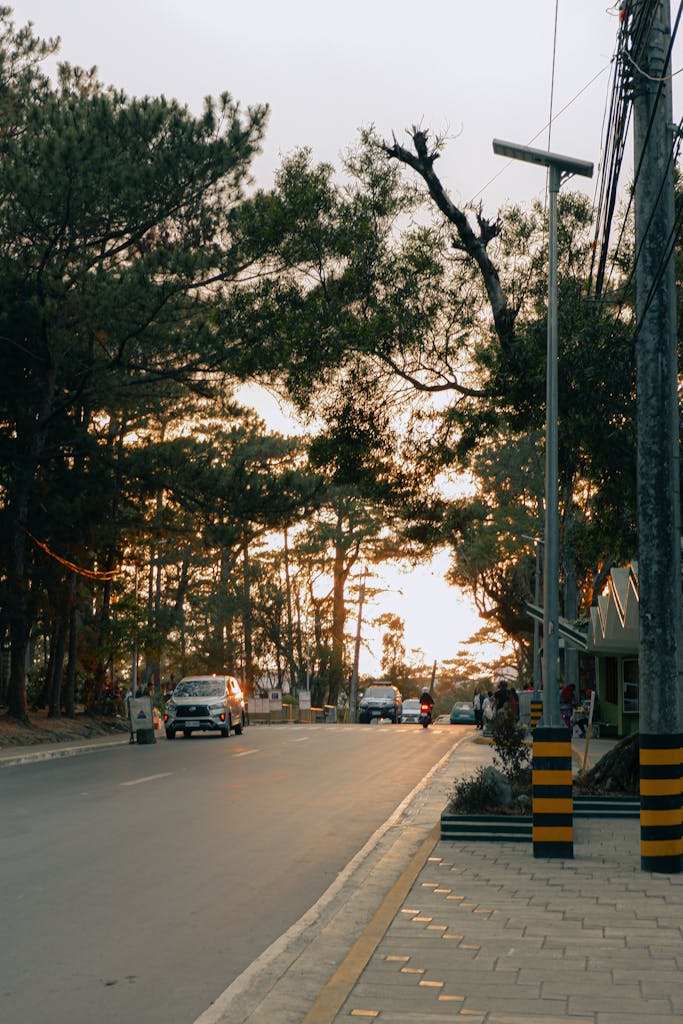
https://www.pexels.com/@nikki-villanueva-318039245
Moving to the “Summer Capital,” Baguio City serves as the primary transit artery for the entire Cordillera region. Navigating this mountain city is a rite of passage for every Filipino traveler, but the congestion can make it anything but “uncomplicated.”
🌲Baguio City is more than a tourist destination; it is the essential gateway for anyone heading deeper into the mountains of Sagada, Banaue, or Kalinga. Known for its year-round cool climate and vibrant creative scene, it serves as the ultimate logistics pitstop. Whether you are stocking up on supplies or transferring buses, Baguio is a necessary stop for Northern Luzon exploration.
→ Read Commute Guide
Baguio City Budget Travel and Immersion Snapshot
From Point A to “Wow”
The most reliable way to reach Baguio from Manila is via high-frequency bus lines that operate 24/7.
The Bus/Terminal: Take Victory Liner (from Pasay or Cubao) or Genesis Transport’s JoyBus (from Cubao). A regular air-conditioned bus costs approximately ₱630, while the “Point-to-Point” (P2P) executive coaches with restrooms cost around ₱900.
The Schedule Hack: Book the 12:00 AM or 1:00 AM “JoyBus” or Victory Liner “First Class” trip. You’ll bypass the heavy traffic of Bulacan and Tarlac, arriving at the Baguio terminal by 5:00 AM—just in time for a fresh strawberry taho at sunrise.
Little Moments of Local Life
📍Coffee & Hangout
Spot: Hot Cat Coffee (located in the courtyard of Mt. Cloud Bookshop, Upper Gen. Luna).
Why: It’s a quiet sanctuary away from the Session Road noise. The beans are locally sourced from Benguet and Sagada farmers.
🚶🏾➡️Baguio is dense, but its utility is concentrated in one specific area.
The Local Hub: The Baguio Public Market (Hangar Market section) is the city’s true nerve center. While tourists go for the souvenirs, locals use it for high-altitude supplies and the freshest Cordillera coffee beans.
Utility Pin: Head to the Old Jose Abad Santos Drive (Post Office Loop).
It’s the most reliable spot for central pick-ups, and the nearby Post Office area provides stable 5G signals for remote workers needing a quick “office” setup before heading further into the mountains where connectivity drops.
Tiny Culture Shocks & Soft Landings
The Indigenous Core: Baguio was originally Kafagway, an Ibaloi settlement.
To respect the culture, understand that the land you walk on is ancestral.
The Ibaloi Heritage Garden: Located near Burnham Park.
Visit the Avong (communal house) to see the Ibaloi identity revitalization in action.
Etiquette: When visiting museums like Museo Kordilyera or BenCab, maintain a quiet, observant demeanor.
Cordilleran culture values “Hiya” (propriety) and respect for elders. Always ask before photographing people in traditional attire.
How long you can linger, and what it really cost
⌛Time:
Overnight is enough to reset
2D1N is ideal
3D2N is luxury slow (and worth it)
💸Budget range:
Budget trip: ₱2,000–₱3,500 per person
Bus fare, street food, session road walks, cheap pension house
Comfortable trip: ₱4,000–₱6,500 per person
Private room, café mornings, Good Shepherd pasalubong, Uber/Grab when tired
“We survived this long” tier: ₱8,000+
Hotel with a view, full meals, Camp John Hay silence, zero guilt
No shame in any tier. The cold air costs nothing.
Beyond the First Glance
The Hangar Market
Beyond the purple jars of ube, here is the real haul:
The Coffee Bean Run: Visit Garcia’s Coffee in the City Market. Ask for the “Benguet Blend” (Dark Roast). It’s the smell of Baguio in a bag.
Kiniing vs. Pinikpikan: Look for Kiniing (smoked pork) in the meat section. It’s the Cordilleran answer to ham/bacon—intensely smoky and perfect for bringing home.
Easter Weaving: Skip the ₱100 “Baguio” shirts. Buy a single Inabel (hand-woven) hand towel or scarf from the Easter Weaving Room. It lasts a lifetime.
The “Igorot” Photo Trap: Near Mines View, you will see people in traditional attire. If you take a photo, they will demand payment per person/per shot. Advice: Agree on a price first (usually ₱20-50) or better yet, engage in a conversation first to make it an interaction, not a transaction.
Taxis & “Long Routes”: Baguio taxi drivers are famously honest and usually use meters. However, in 2026, some may claim “traffic surcharge” for Camp John Hay. Advice: Always insist on the meter; it’s the law in Baguio.
Nights, Mornings, and All The Views
Skip the main park crowds for Tam-awan Village. It’s a “living” museum of reconstructed Ifugao and Kalinga huts.
The Night Market Strategy: Harrison Road opens at 10:00 PM.
Tactical Tip: Enter from the Burnham Lake side to avoid the heaviest initial crush. Look for the “ukay-ukay” (thrift) stalls labeled “New Arrivals” for the highest quality knits.
Tourist Traps or Totally Worth It?
| Bontoc Museum | A world-class collection of Igorot artifacts and traditional house replicas. |
| Maligcong Rice Terraces | Less crowded than Banaue, offering stunning “stone-walled” terrace views. |
| Mount Kupapey | The premier spot in Bontoc to witness a spectacular sea of clouds. |
| Mainit Hot Springs | Natural sulfuric springs located in a nearby village, perfect for post-hike recovery. |
Where this leads next
🛫 Travel Souteast Asia – You didn’t grind this long to keep dreaming small.
🗺️ Dream Map – where your next move might be.